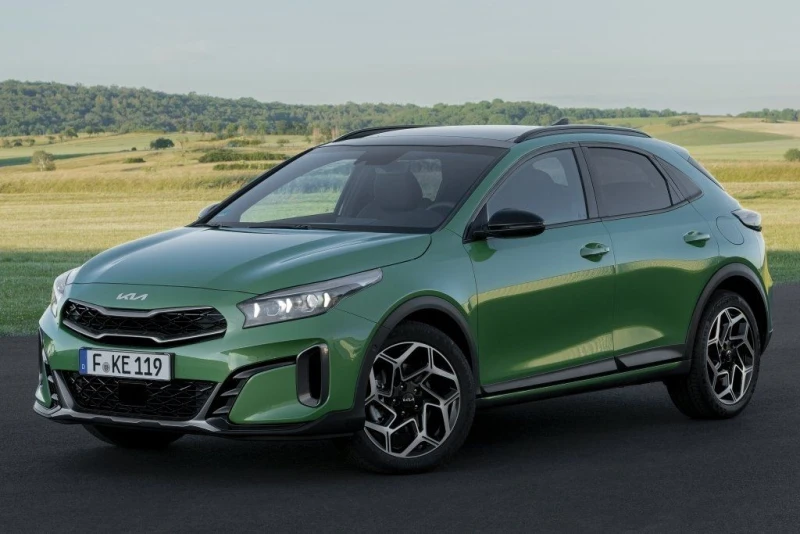
The Kia Ceed III technical specifications are oriented toward global markets with adaptations relevant to North American driving conditions and preferences. Below are the key details on powertrains, dimensions, and usage notes as relevant in early 2026. The engine lineup for the Ceed includes gasoline options (both naturally aspirated and turbocharged) along with diesel and hybrid variants in select regions. Engines comply with modern emission standards, with availability varying by market.
A detailed look at exterior design, interior, trim levels, and potential issues is covered in separate articles in this series.
Engines and Transmissions
Over its production run, the Kia Ceed III (2018–present) has featured a range of powertrains. In many markets, turbocharged gasoline engines dominate, alongside select naturally aspirated units and diesels. Mild-hybrid (MHEV) and plug-in hybrid (PHEV) versions were introduced post-facelift. All configurations are front-wheel drive; no all-wheel-drive option exists.
Transmissions include a 6-speed manual, 6-speed automatic, and 7-speed dual-clutch (7-DCT). The table below shows the main powertrain options commonly referenced.
| Engine Type | Displacement | Power, hp | Transmission Type | Drivetrain | Notes / Availability |
| Gasoline Naturally Aspirated | 1.6L | ~128 | 6-Speed Manual / 6-Speed Auto | FWD | Common in various markets, similar to base US compact sedans |
| Gasoline Turbocharged | 1.0L | 100 / 120 | 6-Speed Manual / 7-DCT | FWD | Entry-level turbo, widely available |
| Gasoline Turbocharged | 1.5L | 150 / 160 | 6-Speed Manual / 7-DCT | FWD | Current mainstream engine post-2021, MHEV in some regions |
| Gasoline Turbocharged | 1.6L | ~200 | 7-DCT | FWD | Performance GT version |
| Diesel | 1.6L CRDi | 115 / 136 | 6-Speed Manual / 7-DCT | FWD | Available in select markets, less common in US |
| Plug-in Hybrid (PHEV) | 1.6L + Electric Motor | ~141 combined | 6-DCT | FWD | For XCeed and Sportswagon variants |
| Mild Hybrid (MHEV) | 1.5L Turbo + 48V | 160 | 7-DCT | FWD | Introduced post-2021 |
Dimensions and Weight
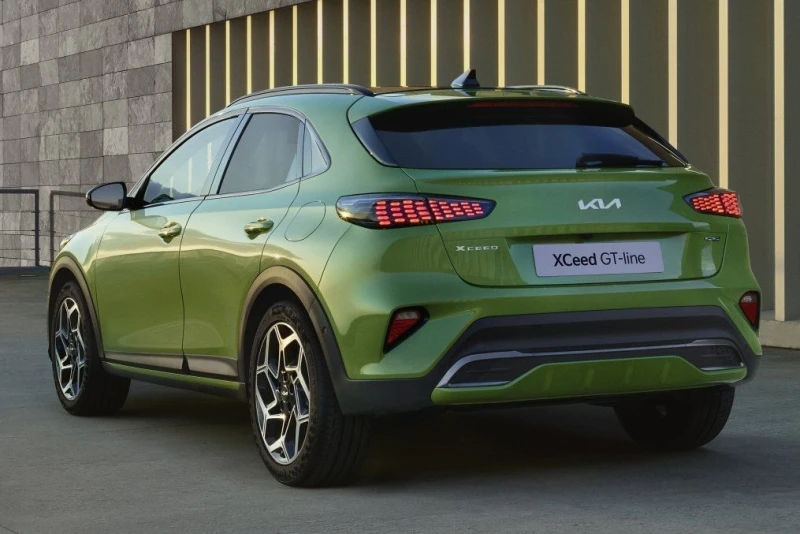
Overall dimensions vary by body style. Hatchback and wagon figures are close, with minor differences. Averages are shown for the most common versions. Curb weight depends on engine and equipment; hybrids add weight due to battery systems. Gross vehicle weight ratings are approximate for front-wheel-drive automatic models.
| Parameter | Value (Hatchback) | Value (Wagon) | Notes |
| Length, in | ~169.7 | ~181.3 | Post-2021 facelift unchanged |
| Width, in | ~70.9 | ~70.9 | Without mirrors |
| Height, in | ~57.0 | ~57.7 | Wagon with roof rails |
| Wheelbase, in | ~104.3 | ~104.3 | Consistent across generation |
| Curb Weight, lb | ~2690–2976 | ~2822–3131 | Gasoline versions; +220–440 lb for PHEV |
| Gross Vehicle Weight, lb | ~3968–4079 | ~4079–4189 | Depends on transmission |
| Ground Clearance, in | ~5.9 | ~5.5–5.9 | Standard figures |
Updates by Year and Facelift
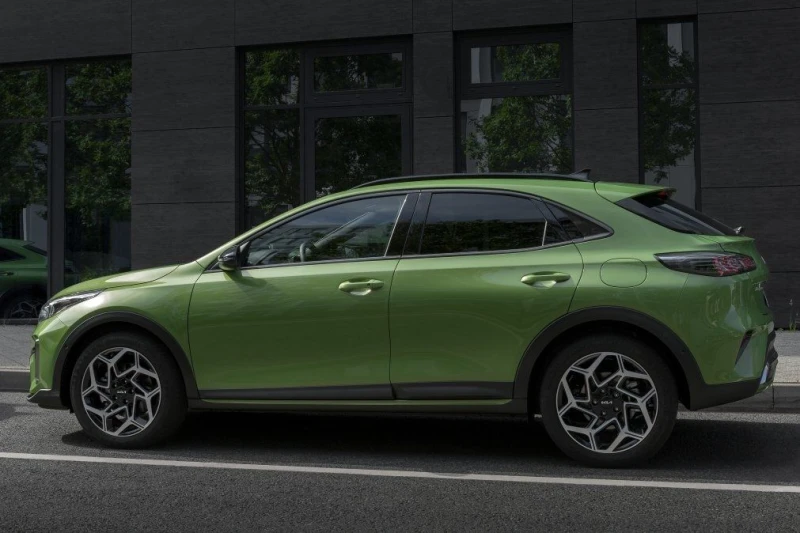
The Kia Ceed III remains current following its 2021 facelift. Changes included new turbo engines (1.5L replacing 1.4L turbo), mild-hybrid tech on select 1.0L and 1.5L units, refined 7-DCT calibration for smoother shifts and better efficiency, and updated emissions controls. Naturally aspirated engines were phased out in many regions post-2021 but remain referenced in various markets.
In 2024–2025, minor refinements arrived: transmission software tweaks, improved noise insulation, and select fuel compatibility enhancements. Current 2026 configurations typically feature the 1.5L turbo (150/160 hp) with 7-DCT, or base naturally aspirated options where available.
Driving Notes and Technical Details
In varied US driving conditions—from urban streets to highways—the Kia Ceed III performs reliably within its class. Turbo engines (1.0L/1.5L) benefit from premium unleaded fuel and regular oil changes, while naturally aspirated versions are more tolerant of regular grade. Real-world fuel economy estimates (similar to EPA combined): base gasoline ~26–32 mpg; turbo gasoline ~28–35 mpg; diesel equivalents (where available) ~35–45 mpg; PHEV ~40–60 mpg-e with charging (electric range up to ~30 miles).
Transmissions: 6-speed manual is straightforward and durable; 6-speed auto needs fluid changes around 40,000 miles; 7-DCT may show minor low-speed hesitation in early units, largely addressed after 2021 updates. Front-wheel drive handles well but calls for care on wet or slippery surfaces. Parts are readily available through dealers and aftermarket, with costs competitive for the segment (e.g., filters $15–35). Serviceability is strong, sharing many components with related Hyundai models.
Summary and Best Picks
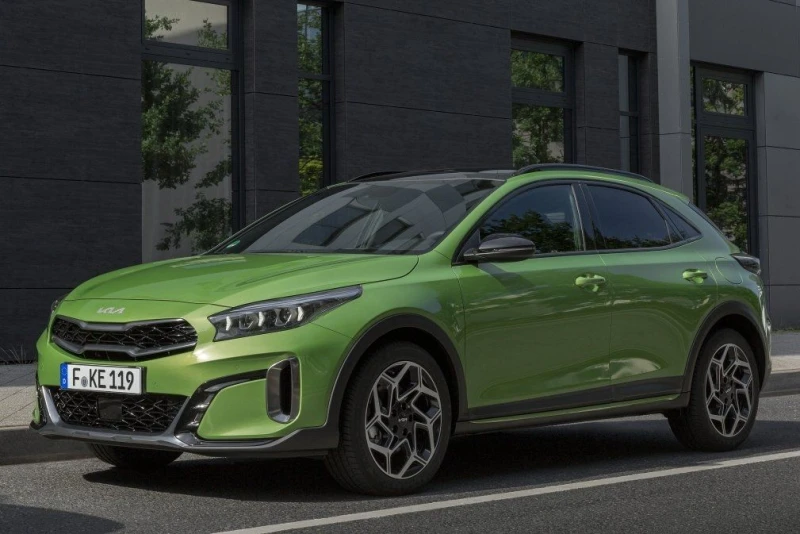
From a technical standpoint, balanced choices include naturally aspirated ~1.6L + 6-speed auto or 1.5L turbo + 7-DCT. The naturally aspirated option often appeals on the used market (lower price, moderate fuel use, simpler maintenance) and suits city driving. The turbo 1.5L delivers stronger performance and better resale, with slightly higher fuel and service costs. Diesels suit high-mileage drivers where available; PHEV works well with home charging.
When selecting, consider fuel availability, typical driving patterns, and service history. Overall, this generation offers strong value and appeal in the compact class.