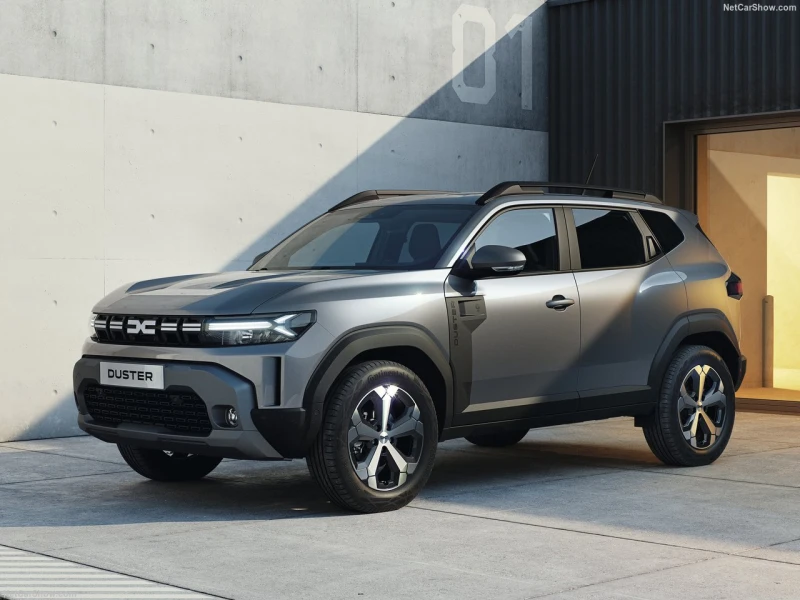
Technical specifications for the Dacia Duster III are tailored to international markets, with availability in the US through select import channels or similar Renault Group models. This overview covers the gasoline, mild-hybrid, and full-hybrid powertrains, emphasizing efficiency and capability. Engines meet modern emission standards, with mild-hybrid and full-hybrid options widely offered. Below are the key details on power units, dimensions, and driving notes relevant to the US market as of early 2026.
Detailed reviews of exterior design, interior, trim levels, and common issues for this generation are covered in separate articles in the series.
Engines and Transmissions
Since its launch, the Dacia Duster III (2024–present) has featured a range of efficient powertrains. In key markets including potential US availability, the focus is on turbo gasoline engines with mild-hybrid tech, plus full-hybrid options. Key variants include the 1.0 TCe ECO-G (100 hp) with LPG compatibility where offered, 1.2 TCe (130 hp) mild-hybrid, and 1.6 E-Tech full-hybrid (140 hp combined). Transmissions: 6-speed manual or Multimode automatic for the hybrid. Drive options: front-wheel drive (FWD) standard, with all-wheel drive (AWD) available on select configurations.
| Engine Type | Displacement, L | Power, hp | Transmission | Drive | Notes / Availability |
| Gasoline/LPG | 1.0 (TCe ECO-G) | 100 | 6-speed manual | FWD | Entry-level bi-fuel option, available in various markets |
| Gasoline Mild-Hybrid | 1.2 (TCe) | 130 | 6-speed manual | FWD / AWD | 48V mild-hybrid system, AWD in select trims |
| Gasoline Full-Hybrid | 1.6 (E-Tech) | 140 (combined) | Multimode automatic | FWD | Full hybrid with strong efficiency, widely available |
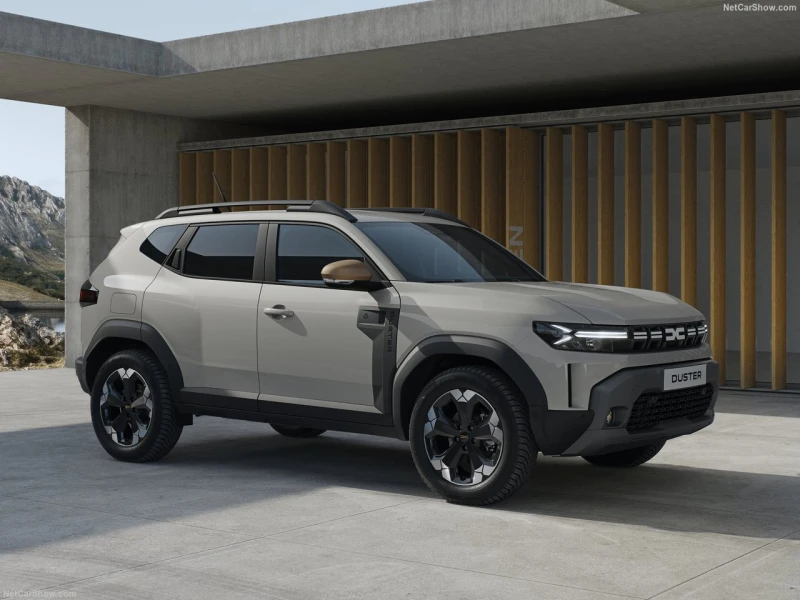
Dimensions and Weight
The Dacia Duster III dimensions are consistent across most versions, with minor variations depending on drive type. Average figures are shown below. Curb weight ranges from lighter FWD gasoline models to heavier AWD and hybrid variants. Gross vehicle weight is approximate for FWD manual versions.
| Parameter | Value | Notes |
| Length, in | 171.0 | Consistent across the generation |
| Width, in | 71.4 | Without mirrors |
| Height, in | 65.2–65.4 | With roof rails / AWD |
| Wheelbase, in | 105.2 | Consistent across the generation |
| Curb Weight, lbs | 2,712–3,197 | Lowest: 1.0 TCe FWD; highest: Hybrid AWD |
| Gross Weight, lbs | 3,858–4,299 | Depending on version |
| Ground Clearance, in | 8.2–8.5 | AWD / FWD |
Updates by Year and Refresh
As of early 2026, the Dacia Duster III remains current without a major refresh. Updates include enhanced infotainment with wireless Apple CarPlay, refined Multimode hybrid calibration for better efficiency, and expanded color options. No major powertrains have been discontinued, with growing emphasis on mild-hybrid and full-hybrid variants. Current popular configurations: 1.2 TCe mild-hybrid with 6-speed manual in FWD or AWD, and 1.6 E-Tech full-hybrid with Multimode automatic in FWD, in higher trims like Journey and Extreme.
Driving Features and Technical Notes
In the US market context, the Dacia Duster III is appreciated in gasoline and hybrid forms, with hybrids gaining traction for urban efficiency. Engine reliability is solid with proper maintenance: the 1.2 TCe and 1.0 TCe gasoline units can reach 125,000+ miles, while the hybrid system requires attention to the battery and electronics. Popular choices include the 1.2 TCe mild-hybrid for balanced performance and the 1.6 E-Tech for city fuel savings.
Real-world fuel economy estimates (combined MPG): 1.0 TCe — around 28–35 mpg; 1.2 TCe mild-hybrid — 32–38 mpg; 1.6 E-Tech hybrid — 40–45+ mpg depending on driving style and drive type.
Transmissions: The 6-speed manual is straightforward and durable; the Multimode hybrid automatic shifts smoothly but can be sensitive to heavy stop-and-go traffic. FWD suits most daily needs, while AWD provides confident handling in varied conditions at a slight fuel economy cost. Parts are affordable through Renault-affiliated networks or aftermarket, with good repairability and shared components — though hybrid battery service may require specialized centers.
Summary and Best Picks for the US Market
From a technical standpoint, strong combinations for US buyers include the 1.2 TCe mild-hybrid (130 hp) + 6-speed manual + FWD or AWD, and the 1.6 E-Tech full-hybrid (140 hp) + Multimode automatic + FWD. The mild-hybrid delivers responsive driving with good efficiency, while the full-hybrid shines in urban settings with lower running costs despite higher upfront service needs.
When choosing, factor in fuel quality, typical driving routes, and service history. Overall resale value remains strong thanks to the model's reputation for value and Renault Group backing.
Approximate market price range for this compact crossover in the United States: $22,000–$32,000 depending on trim, powertrain, and options (realistic positioning similar to competitive models like Chevrolet Trax, Hyundai Venue, or Kia Soul).