



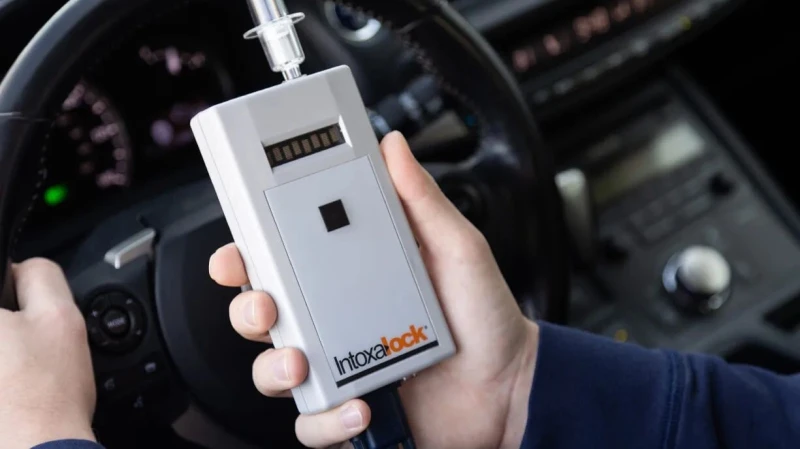
One such initiative is the installation of devices that monitor the alcohol level in a driver’s breath. However, a recent incident demonstrated that these solutions may not only prevent violations but also introduce new risks for users.
How ignition interlock systems work
Breath alcohol detection systems are designed to prevent engine start if the driver is under the influence. Before starting a trip, the driver must complete a test — the device analyzes exhaled air and, if the detected level exceeds the allowed limit, blocks the ability to drive.
Such technologies are already used in several countries and are being considered for mandatory implementation in new vehicles in Europe. The expectation is that they will help reduce accidents related to alcohol consumption.
The cyber incident
In practice, integrating these systems into modern connected vehicles can lead to unexpected consequences. In the United States, a malfunction occurred in devices from one supplier due to a cyber incident. As a result, the system failed to operate correctly and blocked vehicle startup even for sober drivers.
The issue persisted for several days and affected a significant number of users. Many were unable to use their vehicles, had to seek alternative transportation, and faced additional costs. Despite compensation provided by the company, the situation raised concerns about the reliability of such solutions.
Dependence on network connectivity
Modern vehicles are increasingly equipped with remote control and diagnostic features, which require constant internet connectivity. While this expands functionality, it also increases exposure to external risks.
Even with security measures in place, the risk of breaches cannot be completely eliminated. Unlike standalone systems, connected devices may be affected by external factors, including cyberattacks or software errors.
Potential market implications
The mandatory implementation of ignition interlock systems could introduce new risks unrelated to driver behavior but linked to technical failures. With widespread adoption, even isolated incidents may affect a large number of users.
Additional regulatory requirements may also increase vehicle complexity and cost, as seen in other cases involving new automotive standards.
Conclusion
Breath alcohol detection systems remain an important tool for improving road safety, but their integration into connected vehicles requires careful risk assessment. The recent incident highlights that even beneficial technologies can become a source of issues if they lack resilience to external factors. The balance between safety and reliability remains a key consideration in decisions regarding large-scale implementation of such systems.