


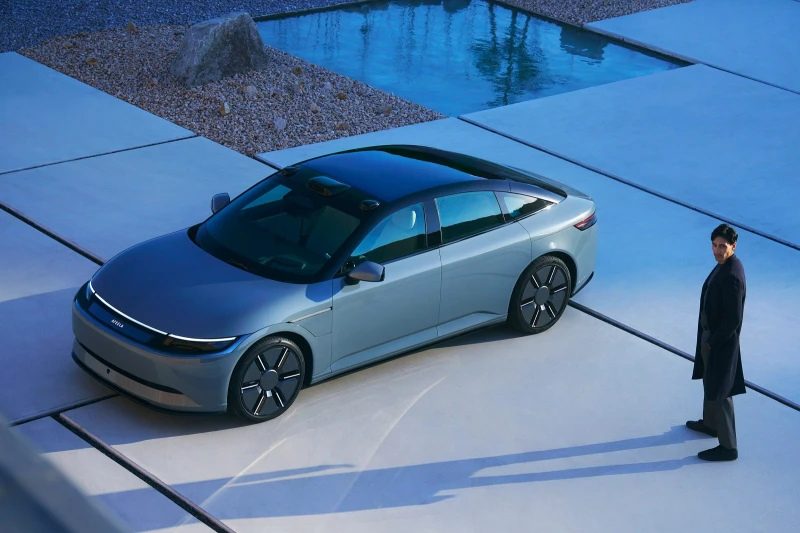
However, not all projects reach the stage of full market entry. A notable example is the collaboration between Honda and Sony, which ended without delivering production vehicles to customers.
The Push Toward Electric Vehicles
In response to stricter environmental regulations, many automakers have concentrated on the development of electric models. Honda pursued an active investment strategy in this segment, including partnerships with major technology companies and the establishment of a dedicated brand for premium vehicles.
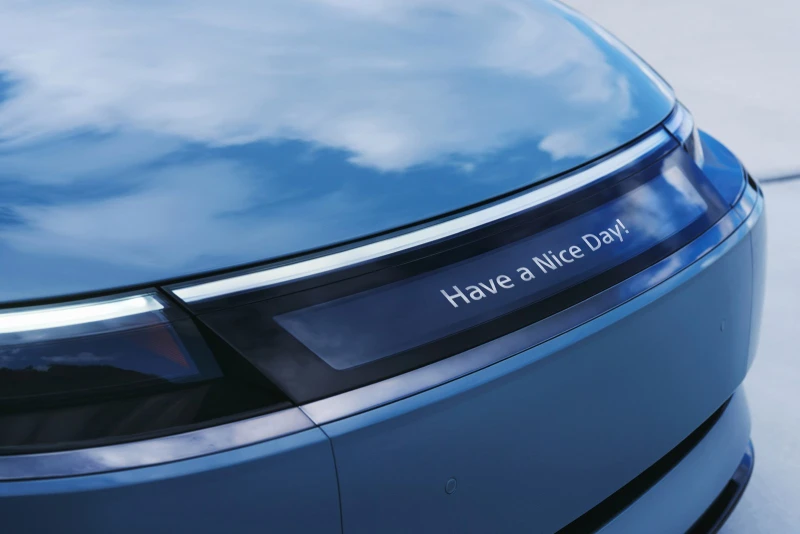
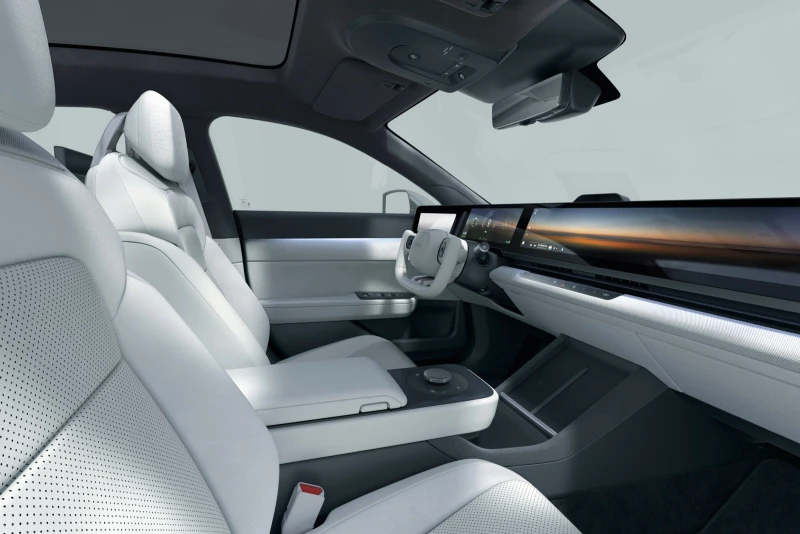
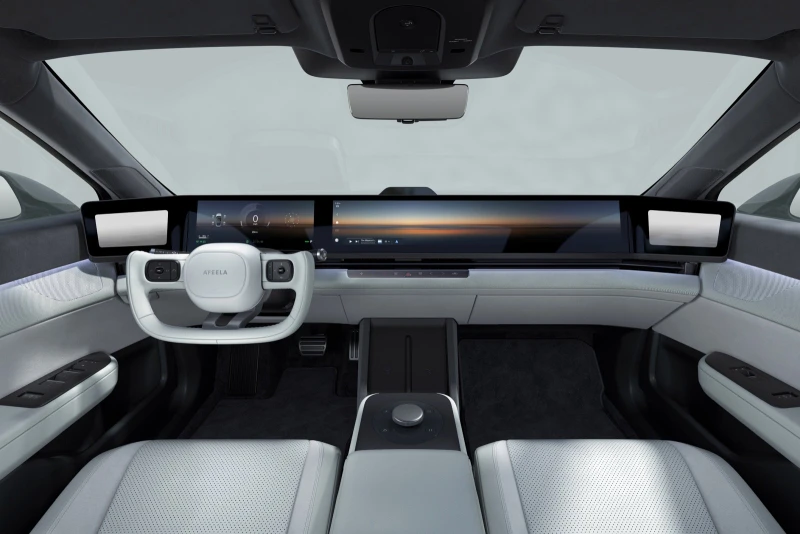
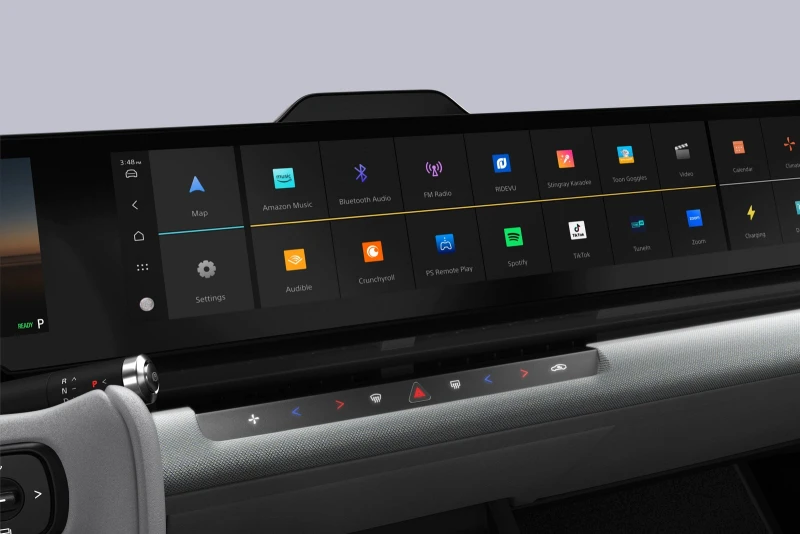
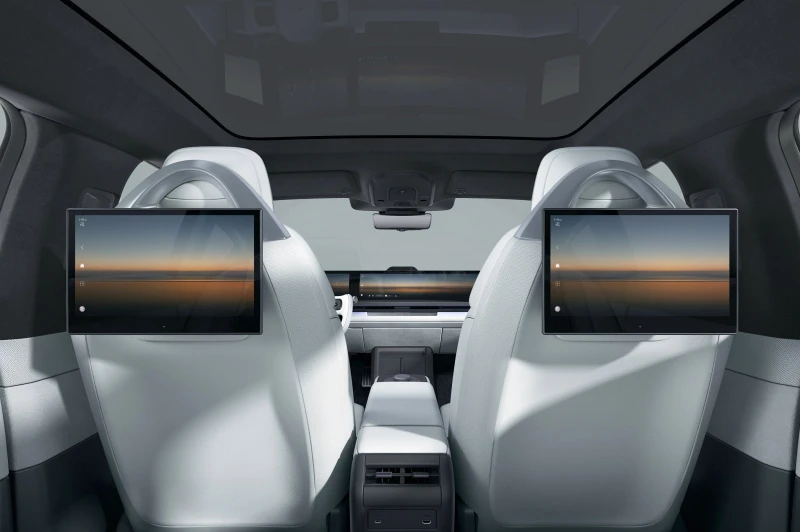
One of the flagship initiatives was Sony Honda Mobility, which planned to produce next-generation vehicles emphasizing digital technologies and comfort.
Project Implementation Challenges
Despite reaching an advanced stage of readiness, the project faced several obstacles. Even after development was completed and preparations for series production had begun, it became evident that the vehicles did not offer sufficient competitive advantages for successful market entry.
The technical specifications and overall concept failed to align with buyer expectations in a rapidly evolving segment characterized by intensifying competition and rising technological demands.
Financial Implications
The decision to terminate the project was made prior to the commencement of volume deliveries. This prevented potentially greater losses that could have resulted from launching production and attempting to sell vehicles amid low demand.
Refunds were issued to customers who had placed orders, and development work on prospective models was also discontinued.
Industry Context
The outcome reflects a wider industry trend in which not all investments in electric vehicles yield success. Some manufacturers are opting for more measured approaches, continuing to advance alternative powertrains, including hybrids and conventional internal combustion engines.
This strategy helps reduce risks and provides greater adaptability to shifting market dynamics.
Conclusion
The Honda and Sony project illustrates that even major corporations with considerable resources can encounter significant hurdles when introducing new products. Success in the electric vehicle segment demands not only financial investment but also precise alignment with market expectations and a flexible development strategy.