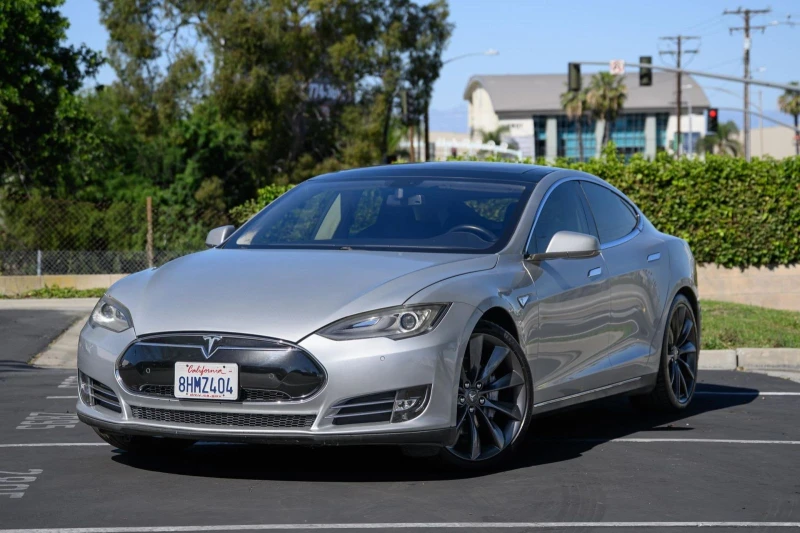
This trend is especially evident in models released around a decade ago. A recent Tesla Model S sale illustrates how quickly such vehicles can lose their residual value.
Comparison with Conventional Vehicles
Traditional gasoline and diesel-powered cars often retain a significant portion of their value even after ten years of use. With proper maintenance, these vehicles remain in demand on the secondary market and can continue operating without major investment.
This is largely due to their relatively simple engineering and the accessibility of repairs. Even with mileage in the range of 180,000–200,000 kilometers, many models remain attractive to buyers, with predictable maintenance costs.
Sharp Depreciation of Electric Vehicles
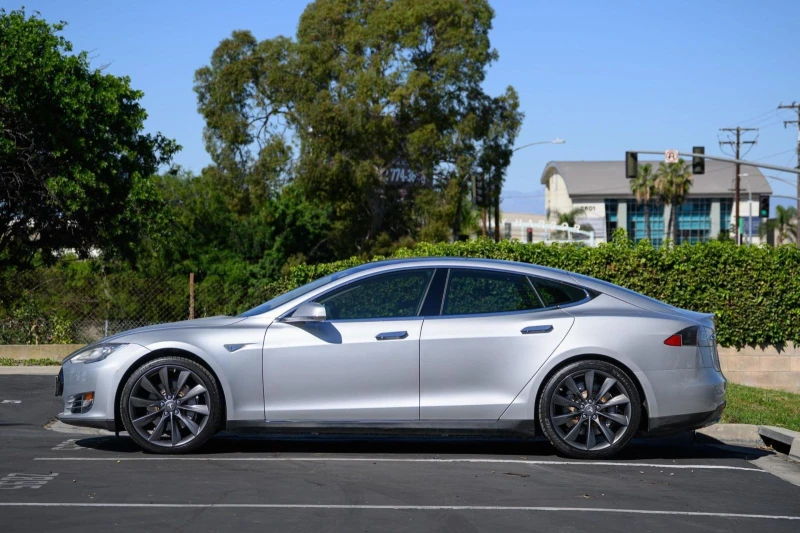
The situation with electric vehicles is different. At one auction, a 2014 Tesla Model S was sold for just $8,700, which is approximately 7% of its original price. For reference, a new version of this model once cost around $125,000.
Despite being operational, with a relatively clean exterior and around 230,000 kilometers on the odometer, buyer interest remained minimal. This reflects structural characteristics of the EV market that influence liquidity.
The Critical Role of the Battery
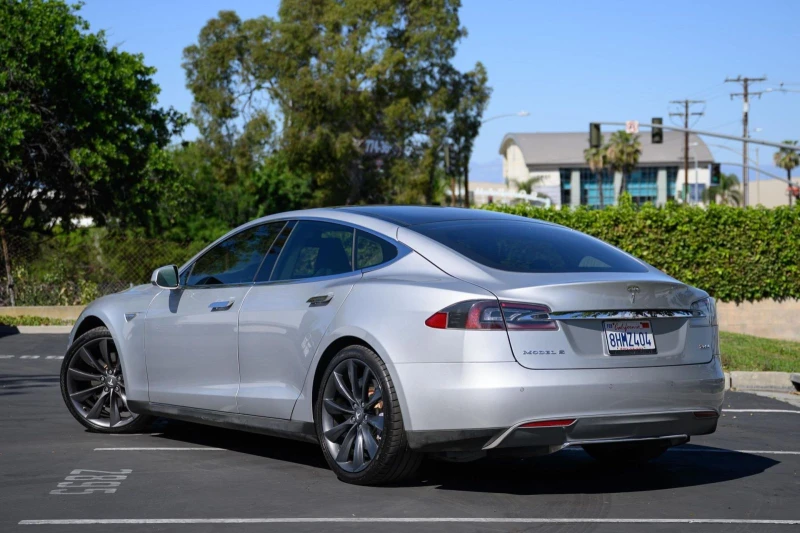
The key factor determining the value of a used electric vehicle is the condition of its battery. In this case, the car was equipped with its original 85 kWh battery, which is nearing the end of its lifecycle.
Replacing the battery requires substantial investment — approximately $12,000. Even after replacement, the owner still has a high-mileage vehicle that is over ten years old. From an economic perspective, such an investment may be difficult to justify.
Market Implications
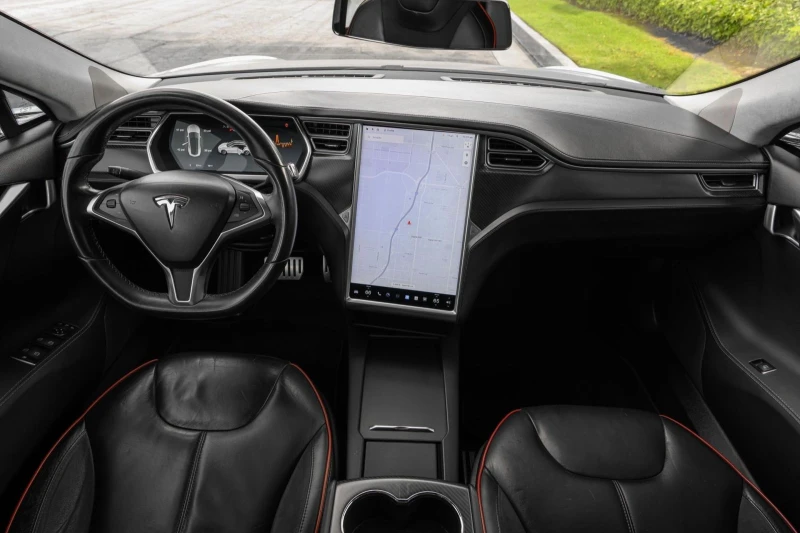
As a result, the value of these vehicles often approaches the cost of their components. In practical terms, their residual value is increasingly determined not by functionality, but by their potential for parts.
An additional factor is the growing supply of used electric vehicles entering the market, while demand remains relatively limited. This imbalance further pressures prices downward.
Conclusion
The Tesla Model S example demonstrates that the economic lifespan of electric vehicles is currently shorter than that of conventional cars. The primary reason lies in the high cost of key components and uncertainty around their longevity. This leads to faster depreciation and shapes new dynamics within the used vehicle market.