


Officially, the company insists this isn’t about raising cash but about freeing up space in its storage facilities. It sounds noble on paper, but it’s hard not to be skeptical — we’re talking about genuine treasures from automotive history.
From Century-Old Classics to Formula 1 Racers
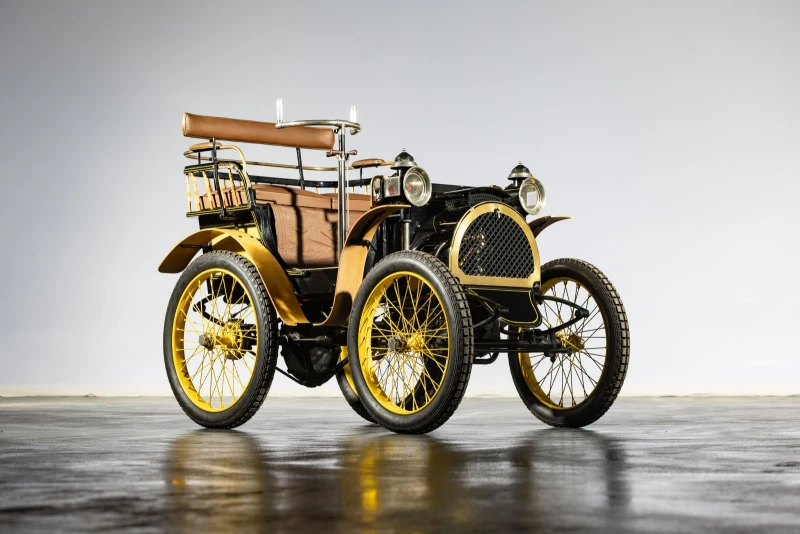
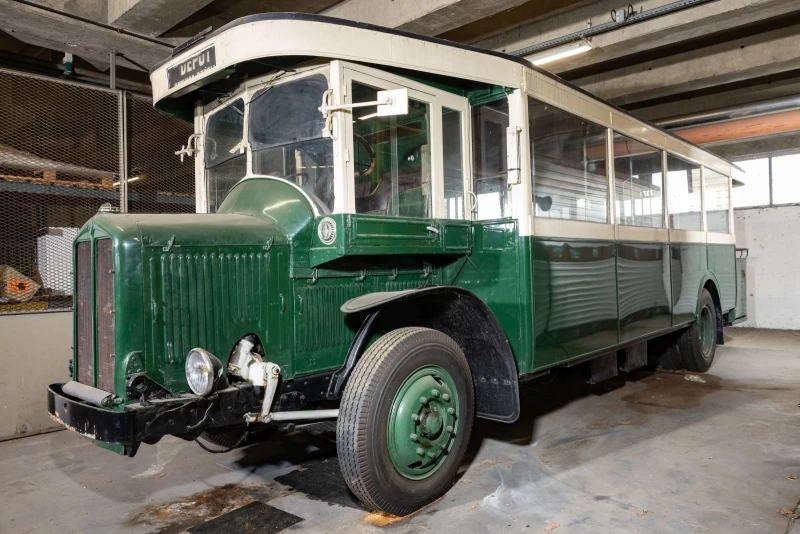
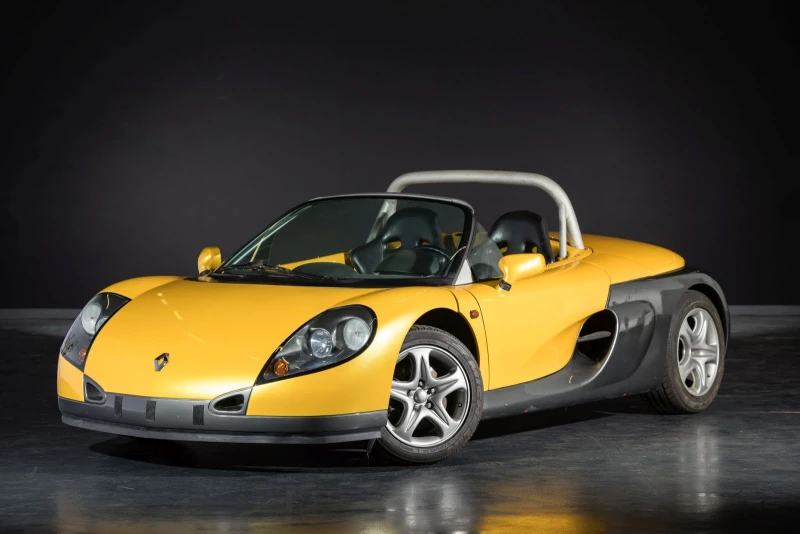
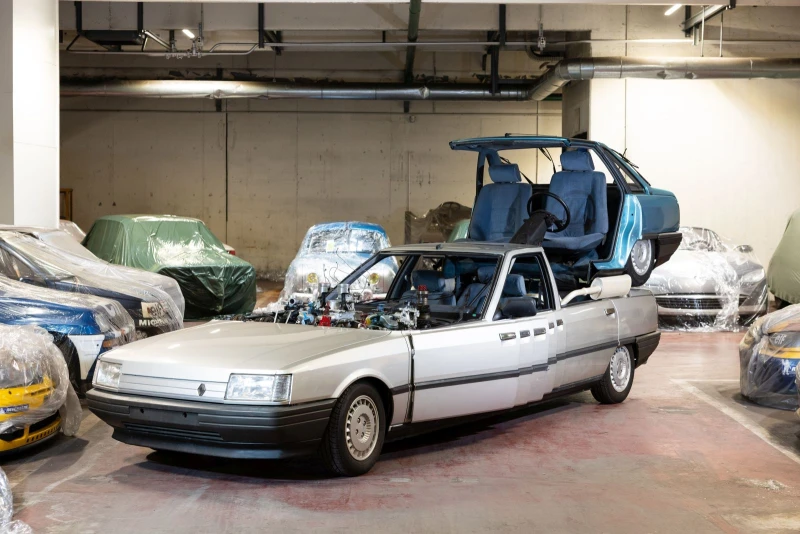
The auction scheduled for December 7 will feature everything from vintage models to legendary race cars. The oldest lot is a fully drivable 1901 Renault Type D. There’s also a replica of the 1898 Type A created for the brand’s 100th anniversary. But the collection goes well beyond antiques: it includes a Renault 5 in police livery and even a Citroën 2CV — the iconic "Duck."
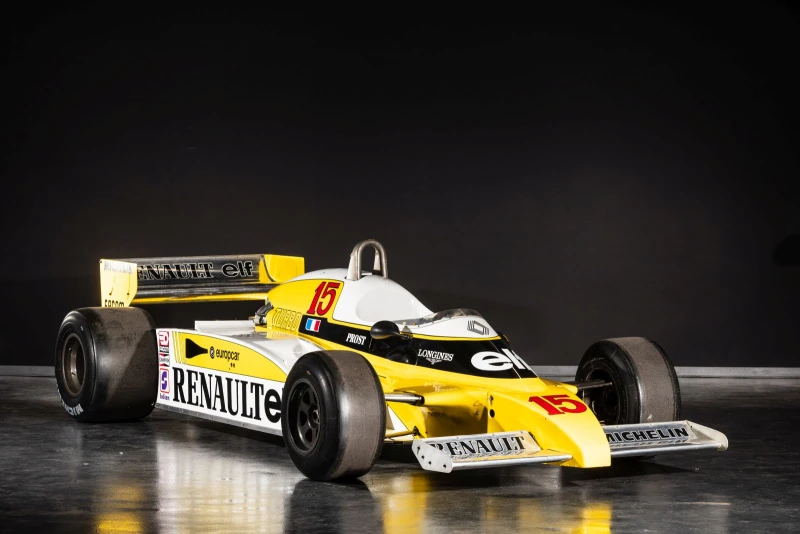
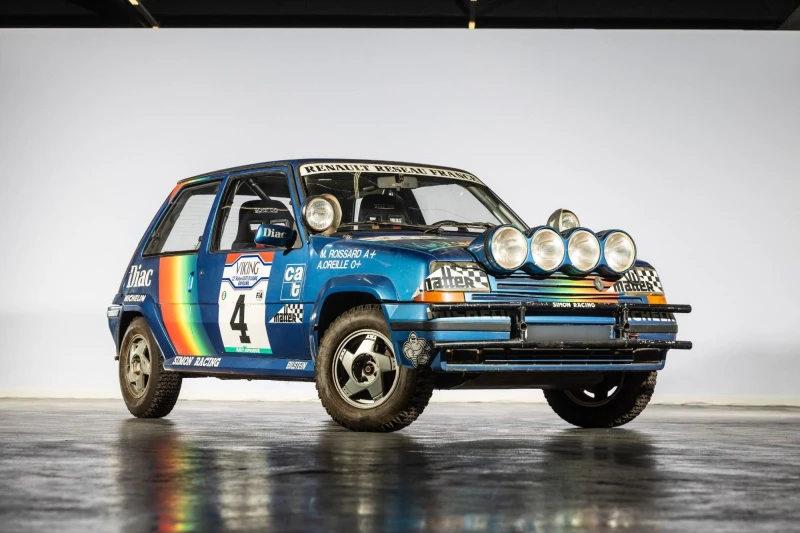
Sports car fans will be especially excited by the performance vehicles. Highlights include the 1981 Formula 1 RE27B and the RE40 chassis that carried Alain Prost to victory in Belgium in 1983. Among the true rarities is the very first Alpine A442 prototype (chassis 0), along with the famous Turbo 5 and 5 GT Turbo Bandama versions. Even the six-cylinder Lotus engine that helped Ayrton Senna win the 1986 Detroit Grand Prix will cross the block.
Why Renault Is Letting Go of These Relics
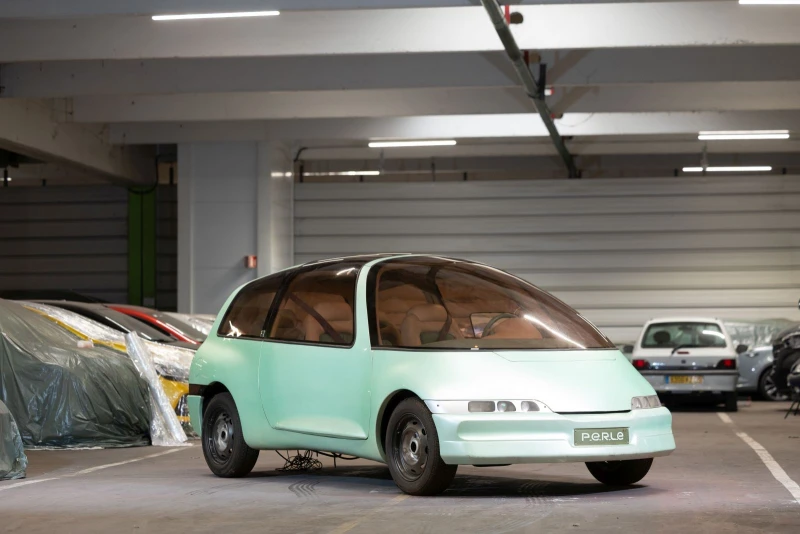
Renault says it simply needs the room ahead of a new museum planned for 2027 in Flins-sur-Seine, where it will showcase 125 years of brand history. Duplicate items, they claim, are no longer necessary. Digging deeper, though, the picture is more complicated. Following Luca de Meo’s departure — the leader who openly criticized the European Union’s aggressive push for an "electric revolution" — Renault’s stock took a hit. Still, the company is doubling down on electrification as if to prove the skeptics wrong.
The new Twingo, a pure electric vehicle measuring just 12.1 feet long, perfectly represents this new direction. It’s adorable, but with its premium pricing and limited range, it feels more like a stylish city toy than a practical everyday car. The irony is that this heavy focus on EVs is exactly what’s killing the affordable compact segment de Meo had warned about.
Is This Sale a Warning Sign for the Industry?
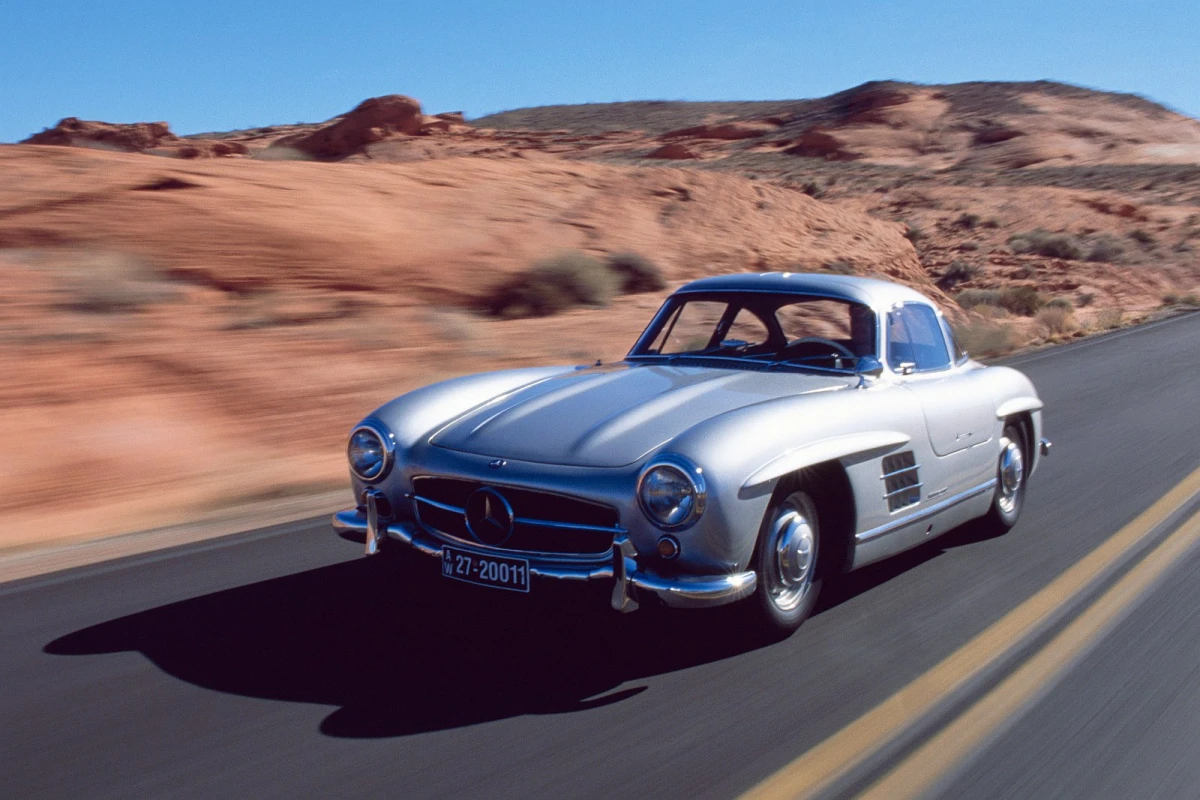
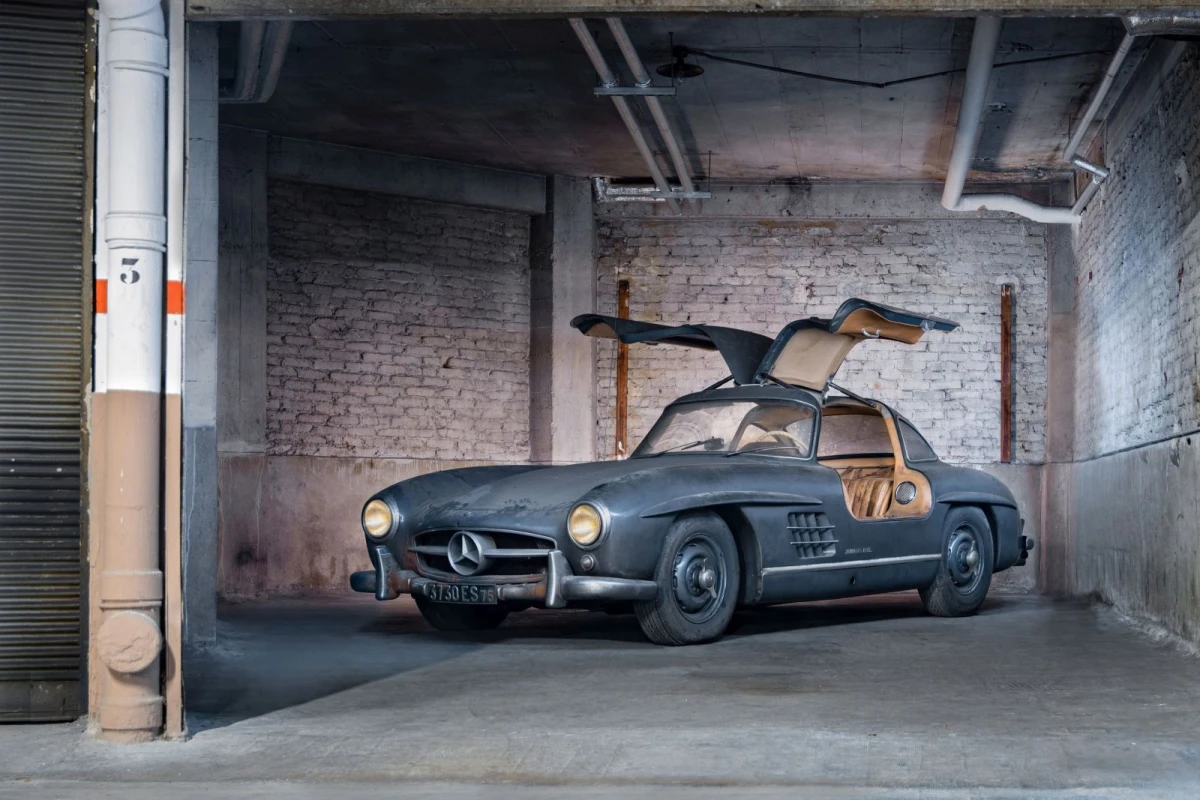
Renault maintains that it has plenty of money and is simply clearing warehouse space. But when Mercedes-Benz also started selling rare museum pieces, it became clear the entire industry is changing. The enormous costs of electrification are forcing brands to look for capital anywhere — even inside their own archives.
It’s possible to believe Renault genuinely wants to refresh its collection and give it new life. Yet to many, this feels far more like cold pragmatism than romantic preservation. These cars are more than metal and wheels — they’re pieces of living history. While new owners may pay hundreds of thousands of dollars — the approximate market price for the United States — some things in life remain truly priceless.