This article details a case where a long-standing passion for classics led to unexpected difficulties and clearly illustrates the risks associated with purchasing iconic vehicles from the past.
A Dream Born in Youth
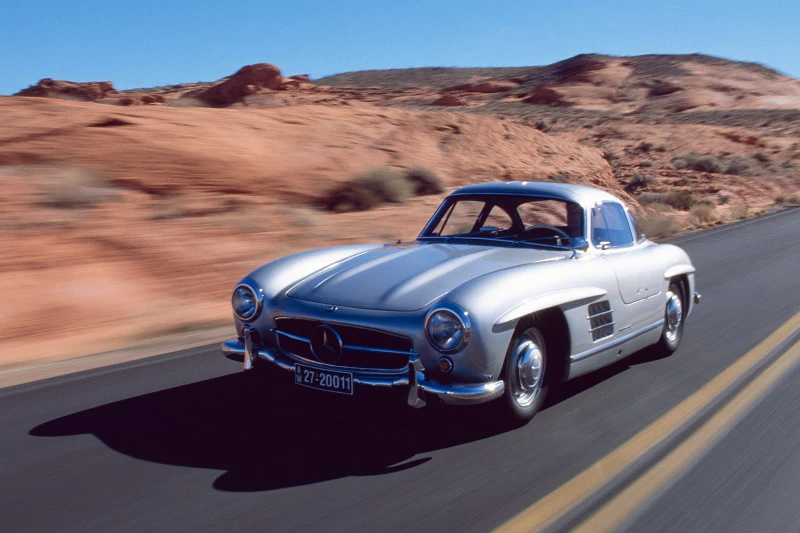
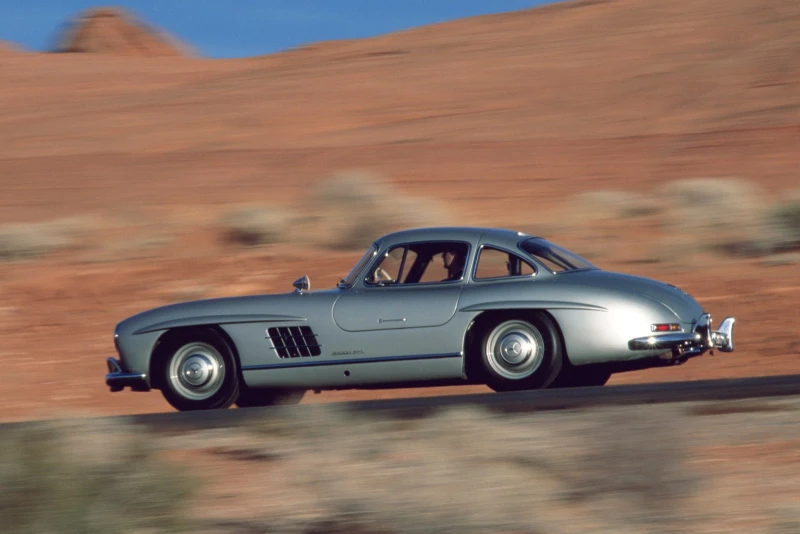
American automotive enthusiast Tyler Hoover was impressed by the legendary Mercedes-Benz 300 SL Gullwing during his teenage years. This car, produced in a limited series of approximately 1,400 units, is considered one of the first production sports cars with racing roots. Its gullwing doors, lightweight space frame, and outstanding performance for its time made the model an icon.
Years later, having earned funds through automotive projects and media activities, Hoover decided to fulfill his long-held dream. To do so, he parted with two modern supercars — a Bugatti Veyron and a Ferrari 599 — and acquired a Mercedes 300 SL approximately 70 years old.
The Car's Condition and Initial Challenges
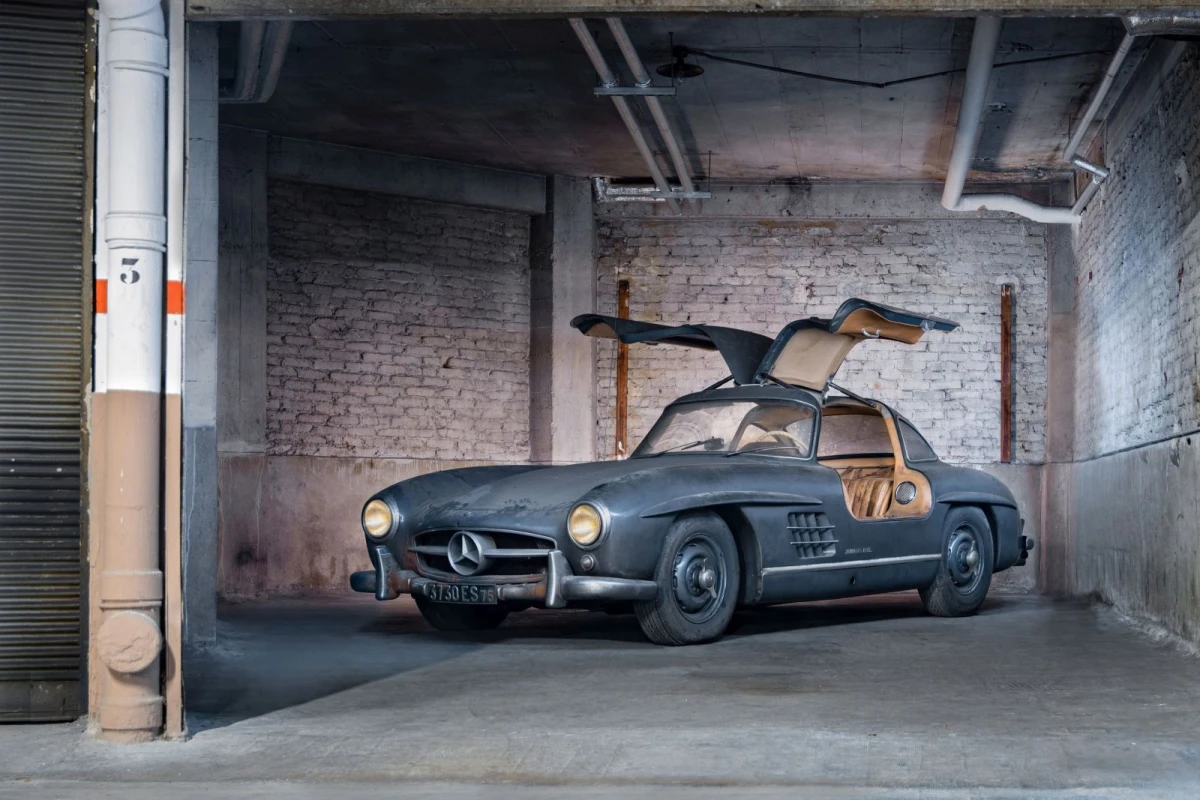
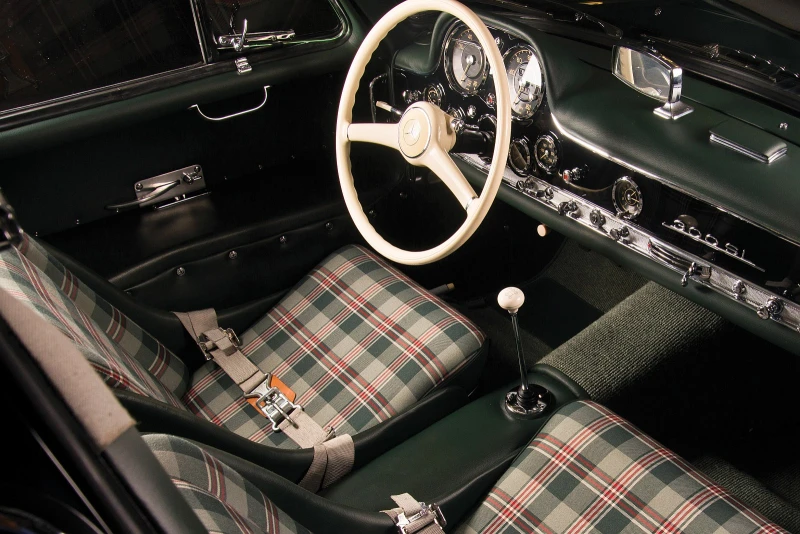
Despite its external appeal, the car was far from museum condition. Over decades of use, it had covered about 180,000 km, had been idle for a long time, repainted, and partially updated inside. The first attempts to drive it revealed that the vehicle required serious technical work.
In fact, the initial "drive" ended with the car being manually delivered to a service center. The primary set of repairs, which brought it to operational condition, cost approximately $100,000. This was not a full restoration, but merely restoring basic reliability.
Operation and Additional Expenses
Even after repairs, the classic sports car continued to present surprises. During one event, the car traveled about 30 km with the parking brake engaged, leading to serious damage to the drum brakes and wheels. Soon after, the oil cooler failed, adding about $15,000 to the expenses.
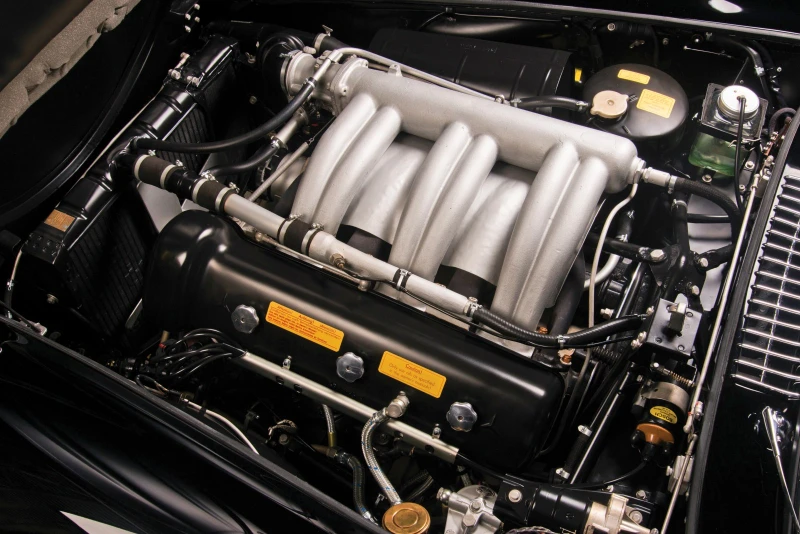
Nevertheless, the model's technical potential remains impressive. The inline six-cylinder 3.0-liter engine with mechanical fuel injection produces 215 hp and allows acceleration up to 260 km/h — a figure that remains respectable by modern standards.
Between Collection and Reality
Currently, the car is used sparingly and spends most of its time off public roads. Ongoing leaks of technical fluids and the need for further investments make active operation challenging. At the same time, the market value of such models continues to rise, reducing the risk of financial losses in the long term.
Conclusion
The story of the Mercedes 300 SL clearly demonstrates that buying a classic car is not only about fulfilling a dream but also a serious commitment. Even an iconic model with a rich history can require significant costs and patience. In such cases, the choice between a more affordable example and an expensive but well-maintained vehicle directly impacts the subsequent ownership experience.