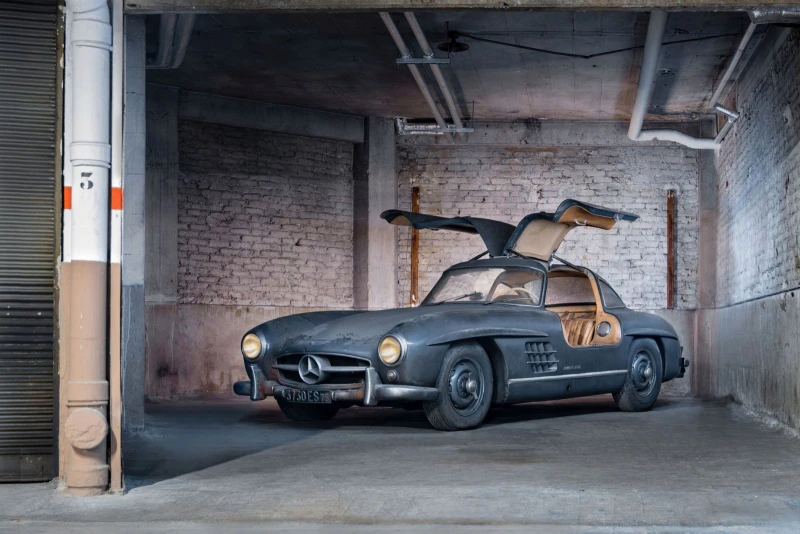
In early 2026, a notable result was recorded at one of the European auctions: a heavily worn vehicle, externally far from show condition, sold for an amount comparable to the cost of modern hypercars. This case illustrates how attitudes toward preservation, authenticity, and restoration are evolving in the collectible car world.
Mercedes-Benz 300 SL as a Historical Benchmark
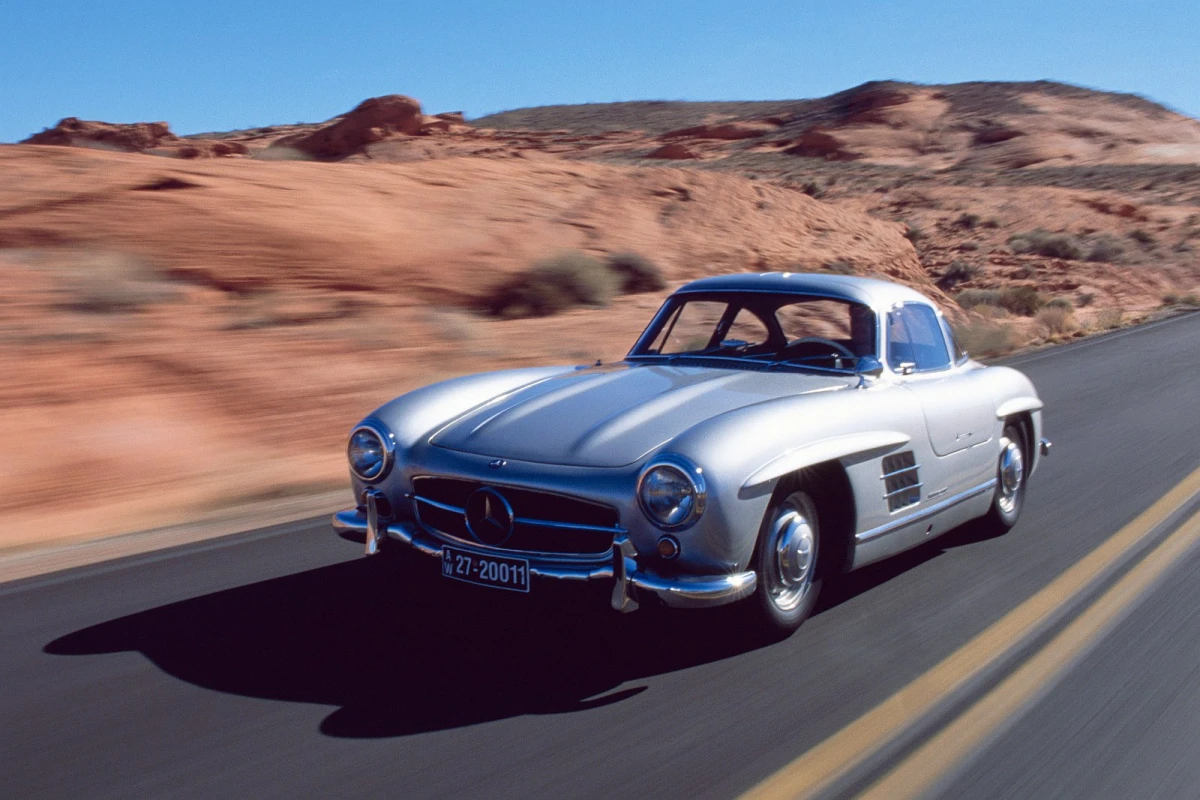
In the history of the Mercedes-Benz brand, the 300 SL model holds a special place. The gullwing-door coupe, introduced in the 1950s, represented a technological breakthrough for its era. The car featured a space frame of steel tubes, rear-wheel drive, and a three-liter inline six-cylinder engine paired with a four-speed manual transmission.
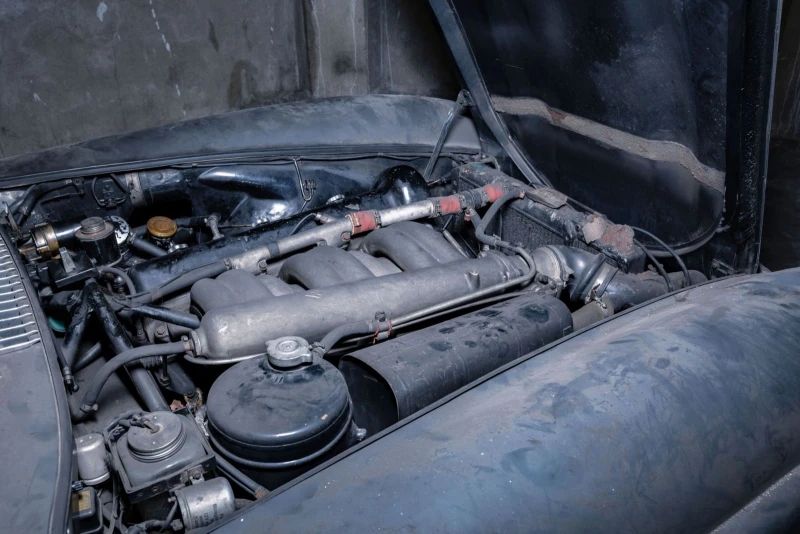
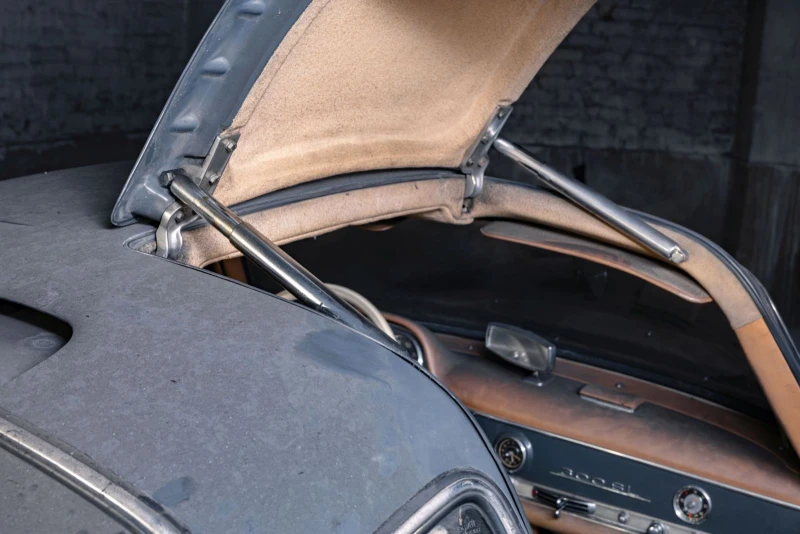
To reduce weight, the body was partially made of aluminum—including the doors, hood, trunk lid, and interior elements. At a length of about 4,520 mm, the curb weight of the coupe was approximately 1,295 kg, which was an outstanding figure by mid-20th-century standards.
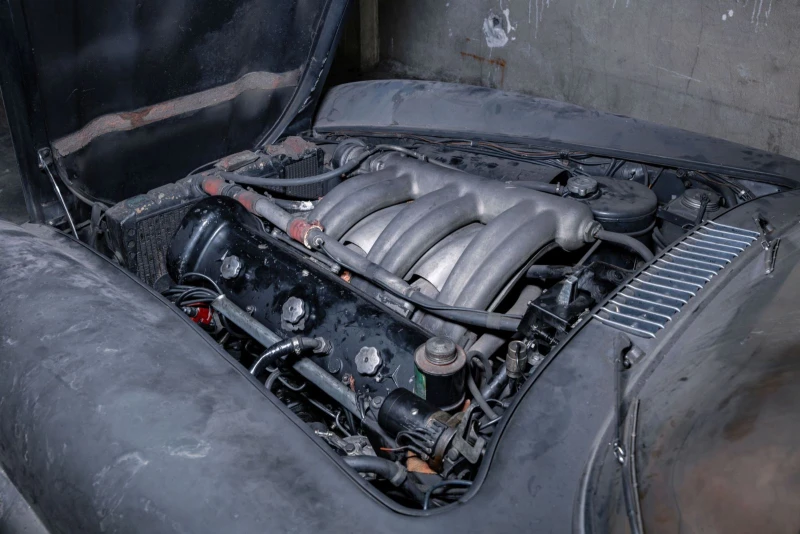
Technical Specifications and Market Context
The M198-series engine produced 243 hp and was installed at a slight angle to improve aerodynamics. The top speed reached 260 km/h, making the 300 SL the fastest production car of its time. Despite its high price at launch, the model enjoyed steady demand and was not a commercial failure.
Today, the 300 SL coupe and roadster rank among the most desirable classic cars, regularly achieving high auction results.
Record Sale in Paris
At the Artcurial auction in Paris, a 1956 Mercedes-Benz 300 SL sold for 4.4 million euros, equivalent to approximately 4.8 million US dollars. This is not an absolute record for all model variants, but it stands as the highest for standard production coupes.
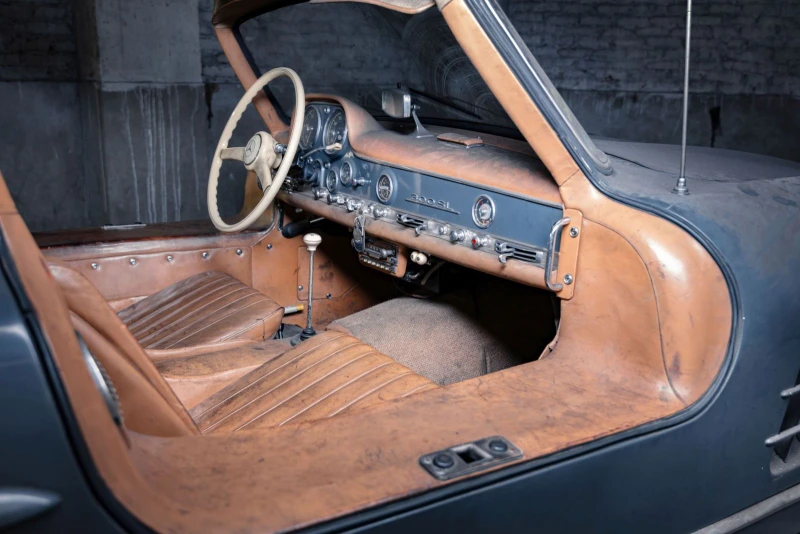
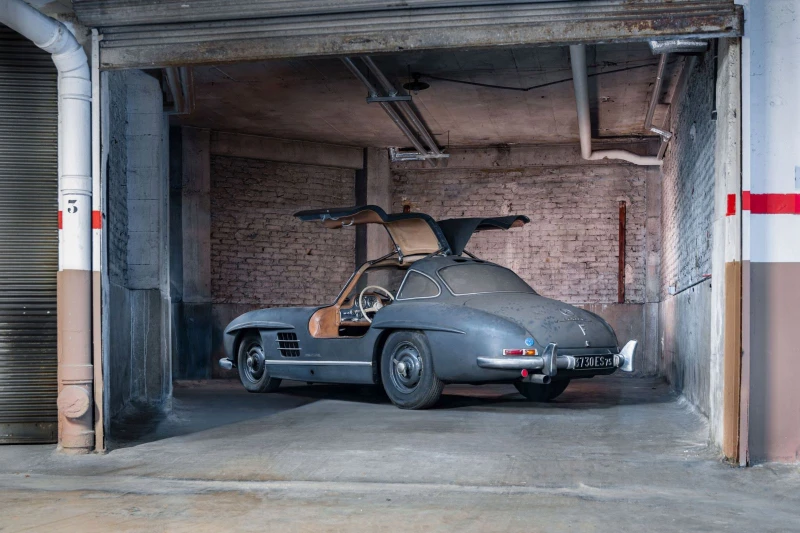
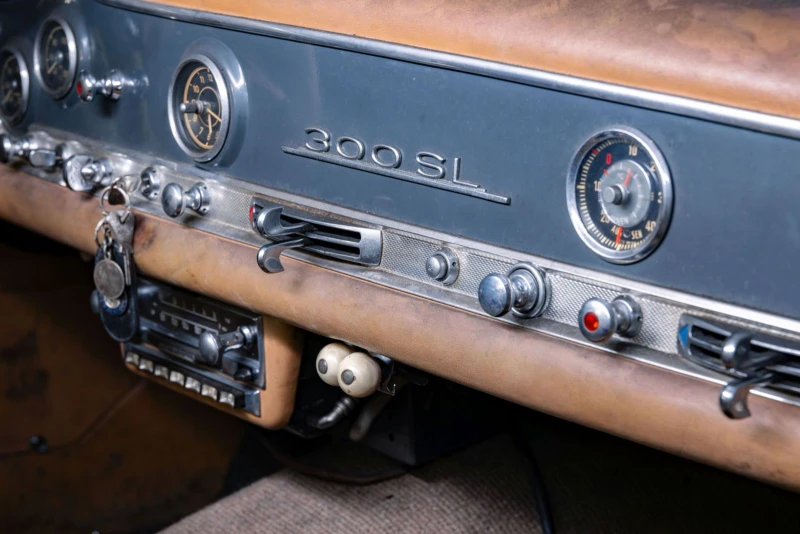
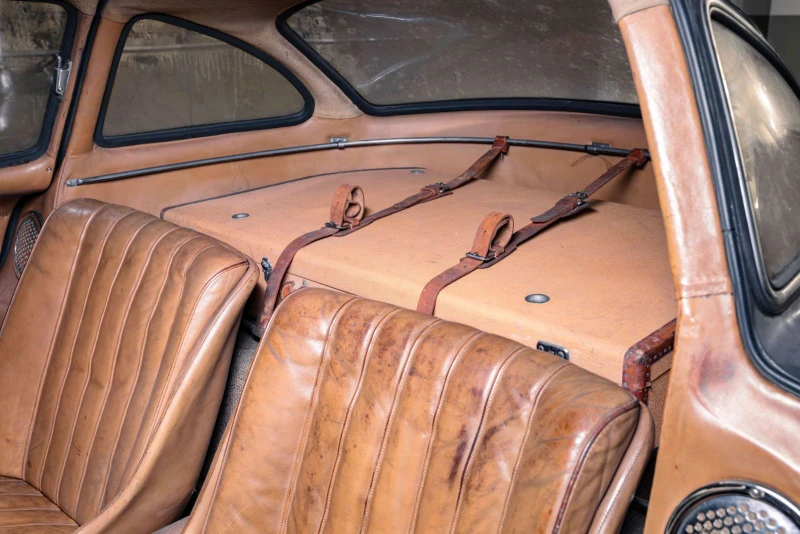
The key factor in the high price was the car's condition. The vehicle remains in fully original form, including the factory Graphitgrau paint. The body shows signs of corrosion, the paint has not been restored, and the interior exhibits natural wear accumulated over decades.
Ownership History and Verified Authenticity
The example underwent detailed examination, confirming its authenticity down to minor fasteners. Originally delivered to a French industrialist and Olympic champion, it changed hands several times and spent over half a century with one owner.
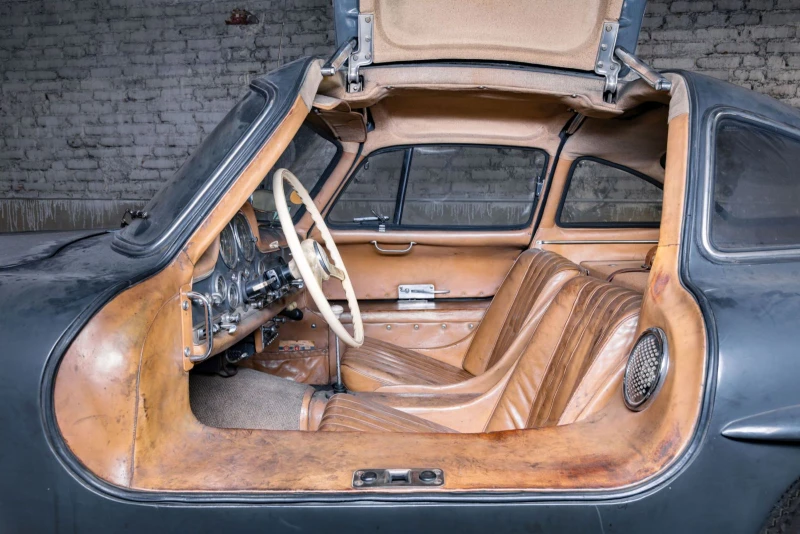
The total mileage is about 34,000 km, though the car has not been driven in recent years. The new owner faces a choice: preserve it in its current state as a collectible artifact or perform mechanical restoration, potentially diminishing its historical value.
Conclusion
The sale of this Mercedes-Benz 300 SL demonstrates that, in the collectible market, authenticity and preserved factory condition are increasingly prioritized over exterior polish. Vehicles with pronounced patina are no longer seen as unfinished but rather as unique historical artifacts.