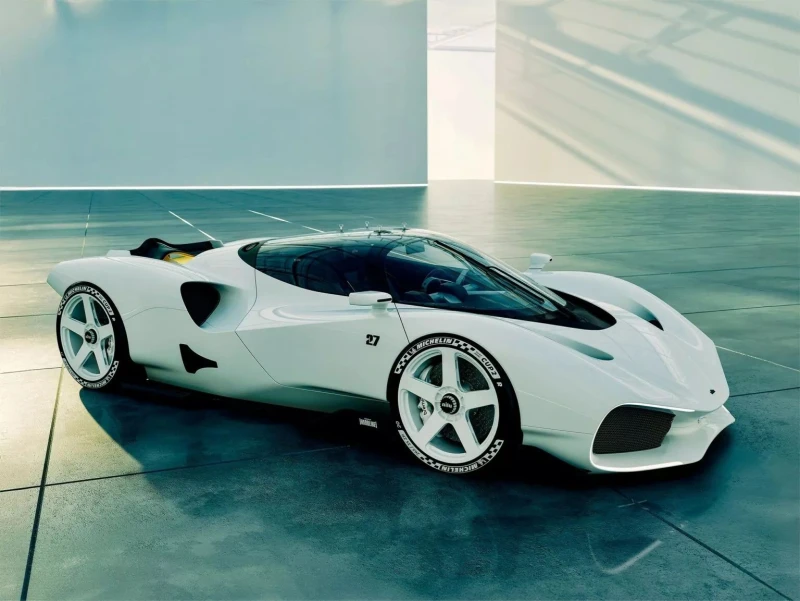
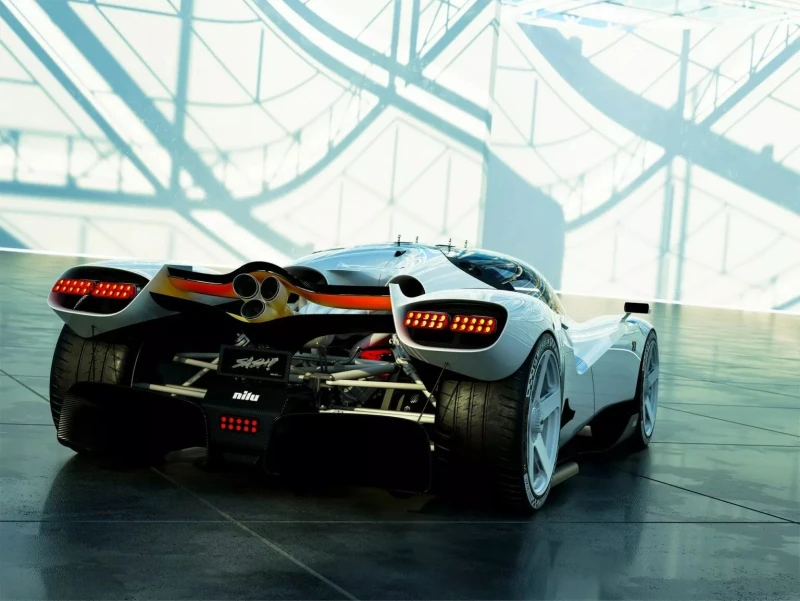
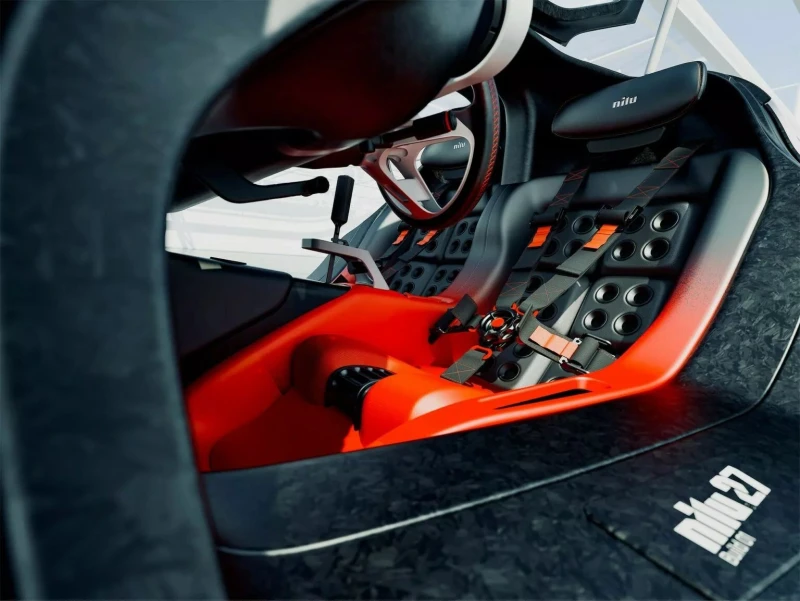
The car is envisioned as a modern alternative to complex hybrid models, combining a naturally aspirated engine, a manual transmission, and minimal electronic intervention between the driver and the machine.
A Project From a Former Bugatti and Koenigsegg Designer
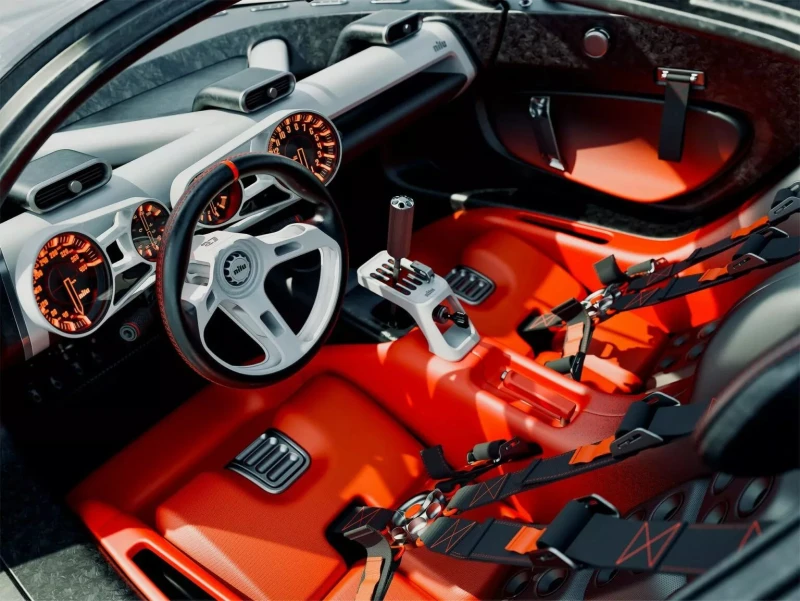
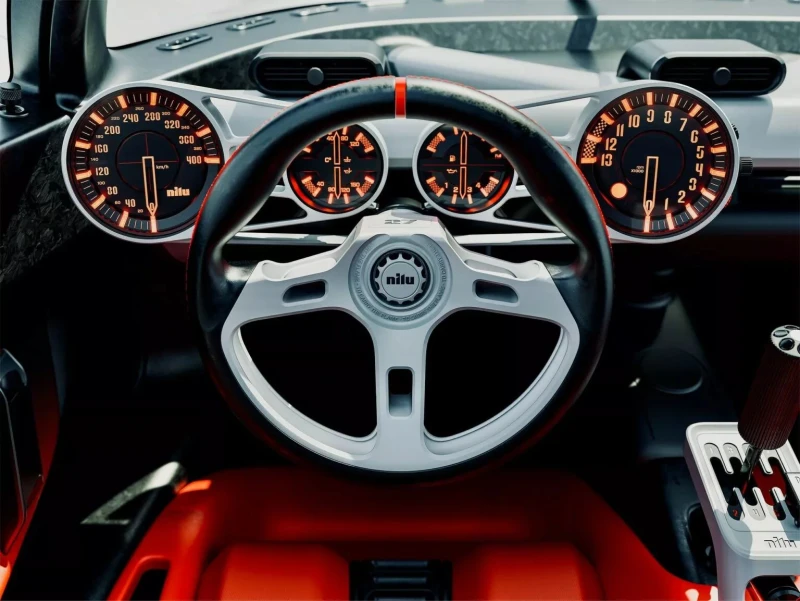
Nilu27 was founded by Sasha Selipanov, who previously worked on vehicles for Bugatti, Koenigsegg, and Lamborghini. Established in 2024, the company is focused on creating a hypercar with a traditional approach to driving. The cabin will avoid an array of touchscreens, while mechanical components, feedback, and direct control will take priority over numerous electronic drive modes.

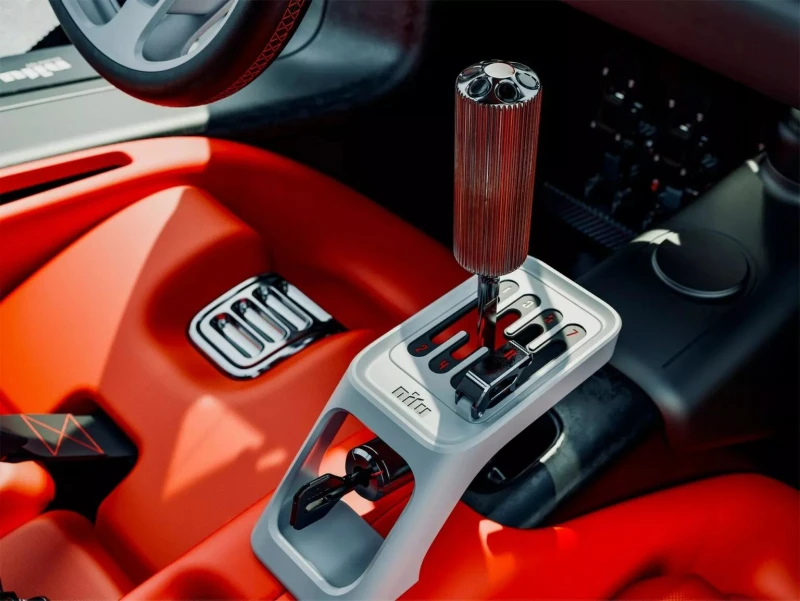
The only transmission option will be a seven-speed manual. Electric motors, turbochargers, and other forms of power assistance or forced induction are not part of the design.
A 6.5-Liter Naturally Aspirated Engine
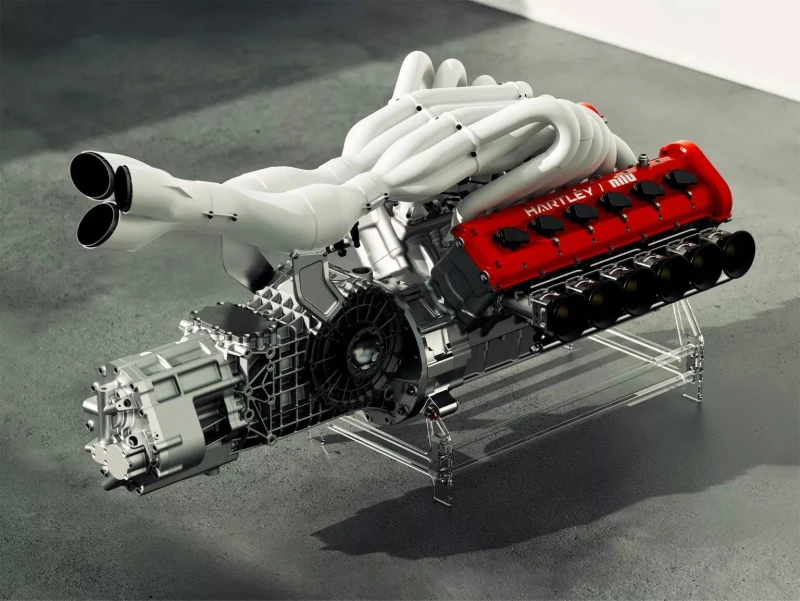
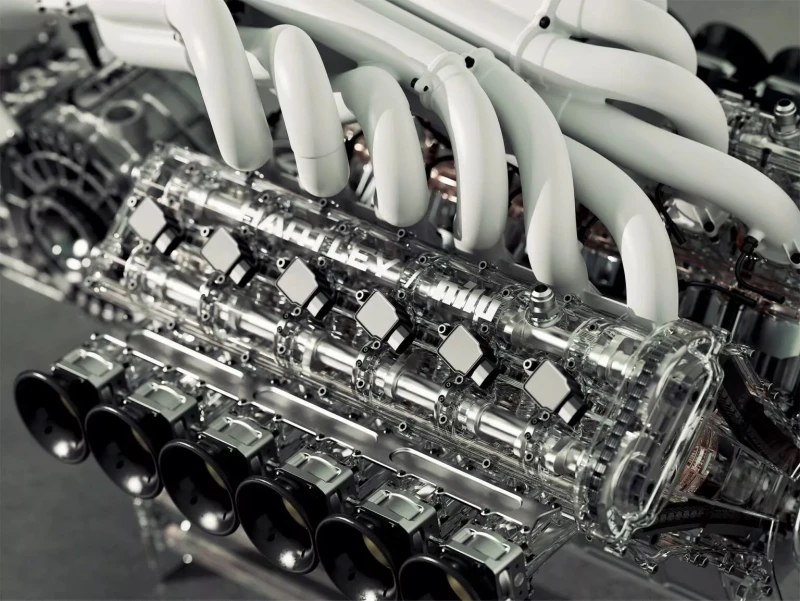
The powertrain was developed by New Zealand-based Hartley Engines. It is a naturally aspirated 6.5-liter V12 with an 80-degree cylinder-bank angle. During its first startup, the engine reached its intended operating range, including speeds of around 11,000 rpm.
The engine was initially rated at 1,070 hp (1,085 PS), but the developers say the final output is higher. Exact specifications have not yet been disclosed. Nilu27 expects the unit to become one of the most powerful production naturally aspirated engines ever developed for a road car.
Low Weight and an Unusual Layout
Carbon fiber is used extensively throughout the hypercar's construction. The projected dry weight is under 2,650 pounds (1,200 kg), which should bring the power-to-weight ratio close to one metric horsepower per kilogram, or about 0.45 hp per pound. The vehicle's actual weight with fluids, fuel, and occupants will be higher.
The exhaust headers are positioned between the cylinder banks. To dissipate heat effectively, the engine compartment is expected to remain partially exposed. This solution will also become a prominent part of the car's exterior design.
Road Testing Comes Next
Following bench testing, the engine will be shipped from New Zealand to Germany, where the first running prototype is located. The powertrain will then be installed in the car ahead of road and track testing. A date for the prototype's first drive has not yet been announced.
Nilu27 remains at an early stage of development, but the running engine confirms that the project is moving from a concept into full-scale engineering. The next major steps will include chassis tuning, reliability testing, and preparing the car for limited-series production.