Audi has undergone notable changes in recent years. Previously associated with advanced technology and meticulous detail, the brand now appears to be shifting toward simplification, though not necessarily in a positive manner. Vehicles seem less refined, and the original engineering ambition appears diminished.
This shift is evident in areas that were once Audi's strengths. For instance, their digital instrument clusters were once the benchmark a decade ago. Today, it seems that retaining the previous version unchanged might have been preferable. This represents a form of reverse evolution.
The Transition from S4 to S5
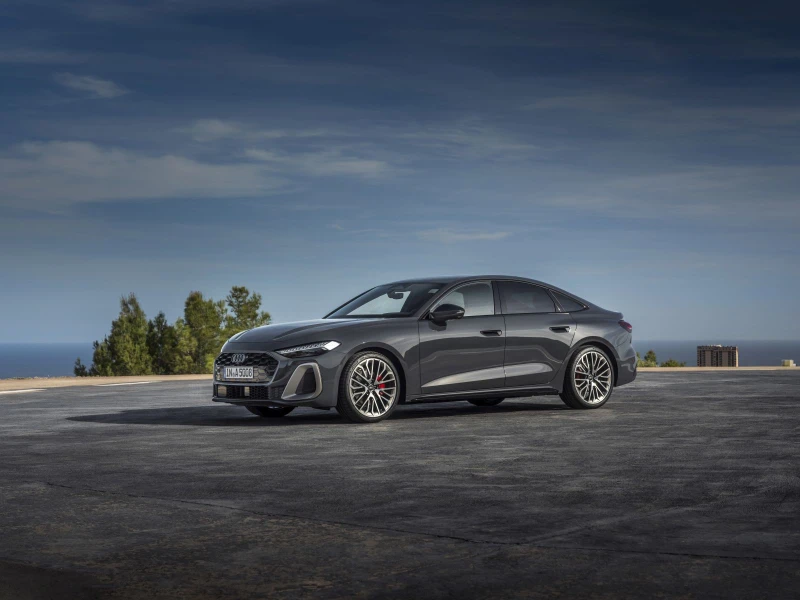
The new sports sedan is now designated as the S5, though it is essentially the successor to the S4. The name change may aim to differentiate it. The vehicle itself has drawn criticism, with Motor1 journalists noting that the new model underperforms relative to its predecessor. This view is shared by others.
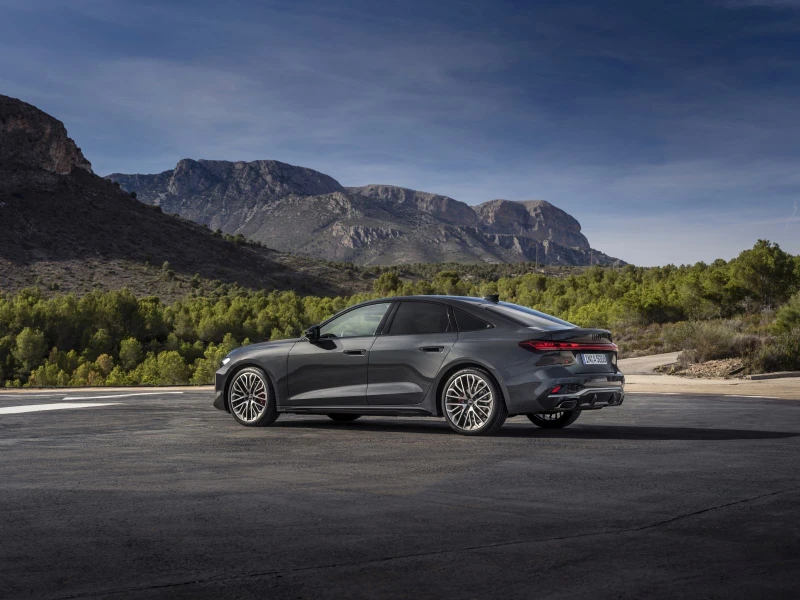
The Edmunds team, known for its methodical approach involving measurements, sensors, and data analysis, reached similar conclusions. Deteriorating performance in areas where it was previously adequate requires explanation.
Areas of Decline in the New Model
- Braking distance from 100 km/h increased to 34 meters — 2.4 meters longer.
- Maximum lateral acceleration decreased from 0.97 g to 0.94 g.
- Acceleration is less consistent: occasionally faster by a tenth of a second, but slower to 100 km/h overall.
These are the measurable aspects. Additionally, journalists report inconsistent handling in corners, with the vehicle exhibiting traits of both oversteer and understeer. It appears the vehicle's character remains unresolved.
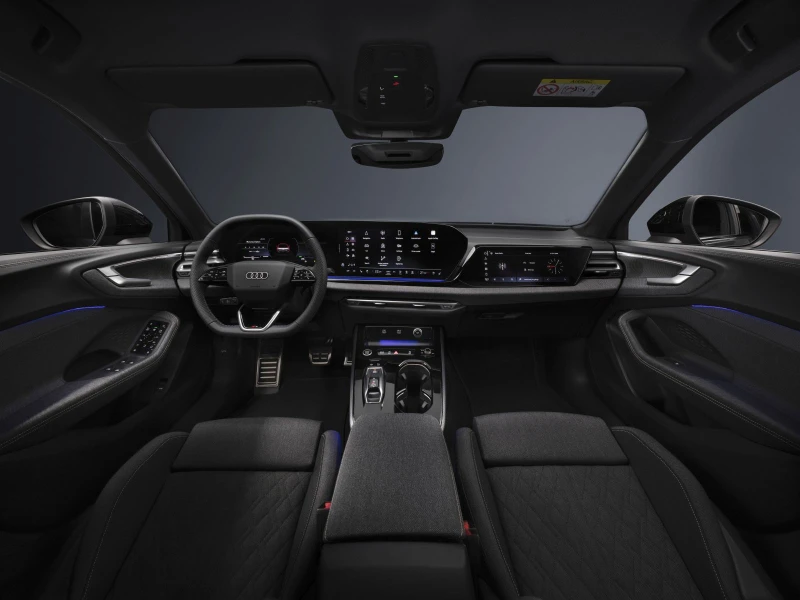
Assessing the Previous Driving Experience
One might assume the prior S4 set a high standard difficult to surpass. However, it was never considered exceptional, often described as adequate but unremarkable in places. The diesel TDI variant, in its time, appeared more practical than the gasoline version, offering efficient travel with lower fuel consumption.
After approximately seven years of development, introducing a model that underperforms in multiple areas suggests a systemic issue. This reflects the current state of a brand that once produced vehicles with genuine engineering focus.