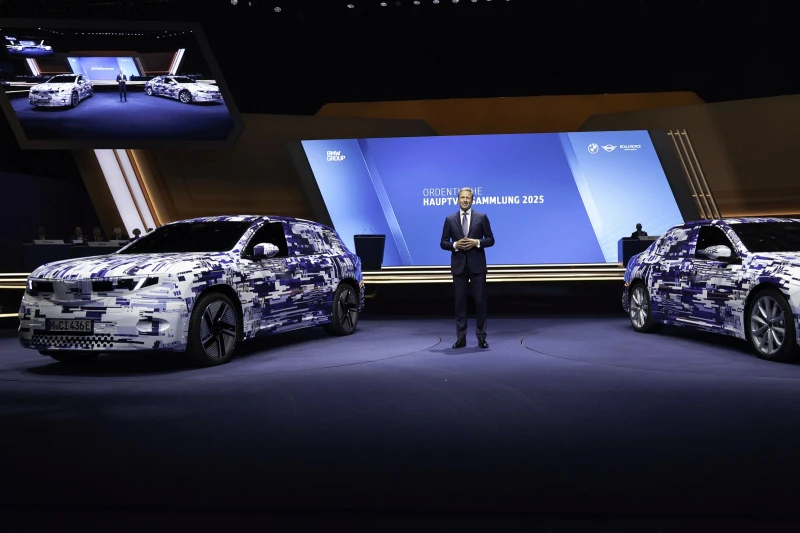
Debates have long surrounded European environmental initiatives in the automotive industry. BMW CEO Oliver Zipse has voiced concerns on the matter. According to him, Brussels has become overly focused on the concept of a 'green future,' potentially harming the entire sector. Notably, these policies have limited impact on BMW itself, with the company maintaining strong performance.
Zipse compares the EU policy to a child repeatedly placing their hand on a hot stove, hoping not to get burned this time. He stresses that decisions on tightening emission standards planned for 2030–2035 should be approached pragmatically rather than emotionally.
The Rationale Behind BMW's Position
From his perspective, the full lifecycle of the vehicle should be considered rather than focusing solely on tailpipe emissions. He references synthetic and carbon-neutral fuels, such as HVO100, which can reduce the carbon footprint without a complete transition to electric vehicles. Infrastructure varies across Europe, and many regions are not yet prepared for full electrification.
Additionally, he emphasizes the importance of preserving supply chains and employment. These considerations extend beyond environmental goals to broader economic stability: a decline in the automotive industry would benefit no one, regardless of improved CO₂ figures in reports.
BMW's Electric Vehicle Performance
Data indicates otherwise: BMW electric vehicle sales increased by 10% in the first nine months of 2025, reaching 18% of total registrations. Plug-in hybrid sales rose by nearly 28%. The company faces no penalties and maintains a solid market position.
The new BMW iX3, the first model in the Neue Klasse lineup, is expected to deliver significant advancements, consistent with the brand's history.
Future Prospects
The EU may continue with its current policies, but Zipse warns that the approach taken by Brussels threatens the European automotive industry. If this direction persists, the sector could face a significant contraction.
Future developments will determine whether such outcomes can be avoided.