Mercedes has withdrawn from its earlier plan to transition fully to electric vehicles by 2030 and has publicly criticized strict regulatory requirements. At the same time, the company is accelerating development of new electric models despite moderating demand in the segment. This dual trajectory illustrates the nuanced challenges facing premium automakers in the current market environment.
Parallels with the Tavares Case
A similar approach previously impacted Carlos Tavares at Stellantis. His public resistance to aggressive electrification targets, combined with active pursuit of battery-electric vehicles, contributed to performance issues and a loss of confidence. Mercedes CEO Ola Källenius now finds himself navigating comparable strategic considerations.
Electric E-Class Timeline
According to reports in the German media, Mercedes is accelerating plans for an electric version of the E-Class. The model was initially slated for the new MB.EA-L platform, whose development has been delayed. As a result, the project will utilize the MB.EA-M platform, which will also underpin the upcoming electric GLC. This shift could enable a launch as early as 2027.
Internal Model Overlap
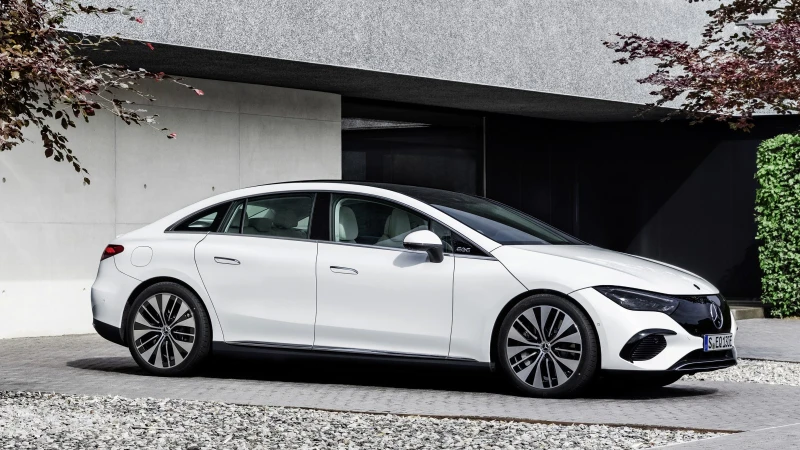
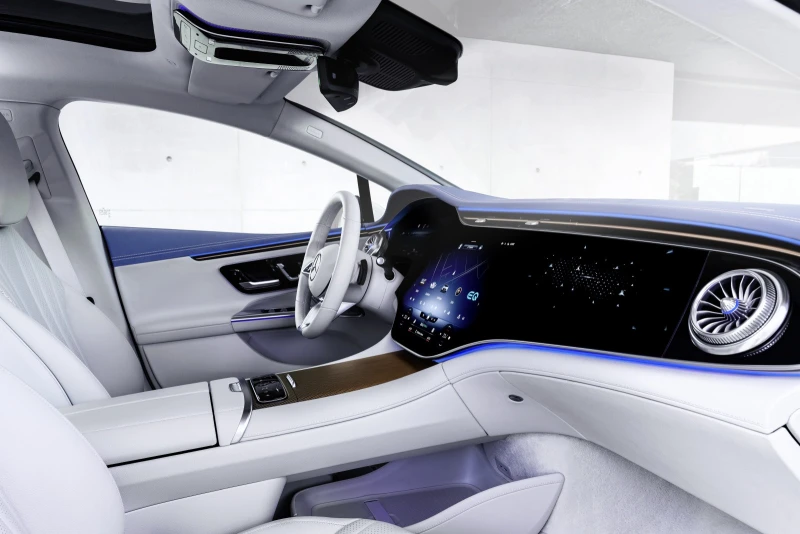
The move raises considerations about model positioning, given that Mercedes already markets the EQE as the electric equivalent of the E-Class. The EQE itself is scheduled for a comprehensive update in 2026, featuring a new platform, 800-volt architecture, and enhanced fast-charging capabilities. Adding another closely related sedan could lead to market segmentation within the brand's own lineup.
EV Segment Performance
Mercedes has experienced slower-than-anticipated uptake in its electric vehicle range, alongside design feedback and substantial investment requirements. The current strategy reflects ongoing adaptation to both regulatory pressures and real-world market dynamics.
Future Direction
While Källenius has spoken of a "return to common sense" in regulatory matters, development of new electric projects continues apace. The combination of timeline adjustments and accelerated model development represents a pragmatic response to the evolving automotive landscape.
- The electric E-Class is targeted for a potential 2027 introduction.
- The EQE will receive a major update in 2026.
- Mercedes has revised its 2030 all-electric target while proceeding with multiple new EV programs.
Industry analysts will be monitoring how effectively the brand manages this balanced approach across conventional and electric powertrains in the years ahead.