


The issue was not a technical malfunction itself, but a discrepancy between what customers were told and what was actually installed in the vehicles. The case resulted in a substantial fine and could have broader consequences.
The Incident That Triggered the Investigation
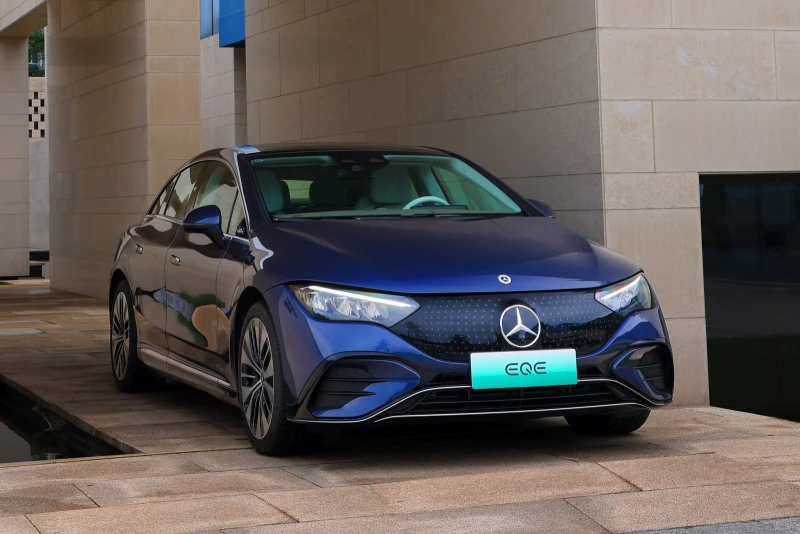
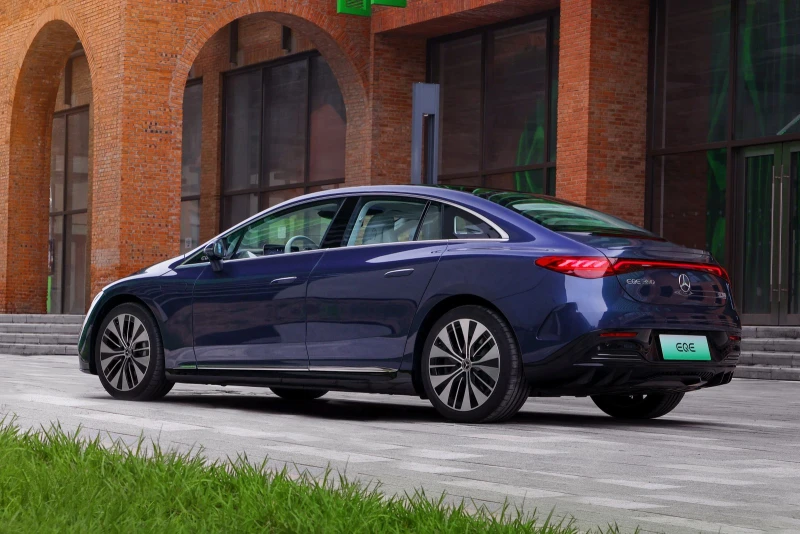
The investigation followed a 2024 fire in the underground parking garage of an apartment complex in Incheon. A Mercedes EQE electric sedan caught fire, prompting a large-scale emergency response. Hundreds of responders worked for several hours to extinguish the blaze, which also damaged other vehicles parked nearby.
Although the cause of the fire itself was not the basis for the fine, the incident prompted an investigation that uncovered other issues involving the vehicle's components.
Discrepancy Between Disclosed and Installed Batteries
South Korean regulators found that some vehicles were equipped with batteries from one manufacturer even though official materials identified a different supplier. Specifically, advertising and dealer documents referred to batteries from a major, widely recognized manufacturer, while products from another company were actually used.
Regulators determined that the practice was misleading. According to the regulator, approximately 3,000 vehicles were supplied to the market over a period of just over a year. The issue affected not only the EQE but also more expensive models.
Regulator's Decision and Fine
South Korea's Fair Trade Commission imposed a fine of about $7 million on the company. This was the maximum amount permitted for such violations. The penalty was based on the discrepancy in the information provided to buyers, rather than the technical incident itself.
The manufacturer's internal documents reportedly contained more complete information about its suppliers, but those details may not have been fully communicated to dealers and customers.
Potential Market Consequences
The case could have broader effects beyond a single region. It raises questions about supply chain transparency and the accuracy of marketing claims in other markets. Similar situations could lead to additional investigations and demands from customers.
The number of requests for clarification or even component replacement could also increase if discrepancies between disclosed and actual specifications are confirmed.
Conclusion
The Mercedes case shows that the EV market depends not only on technology but also on accurate information about critical components. Transparency regarding vehicle equipment is becoming increasingly important as interest in electric transportation grows and regulatory scrutiny intensifies.