


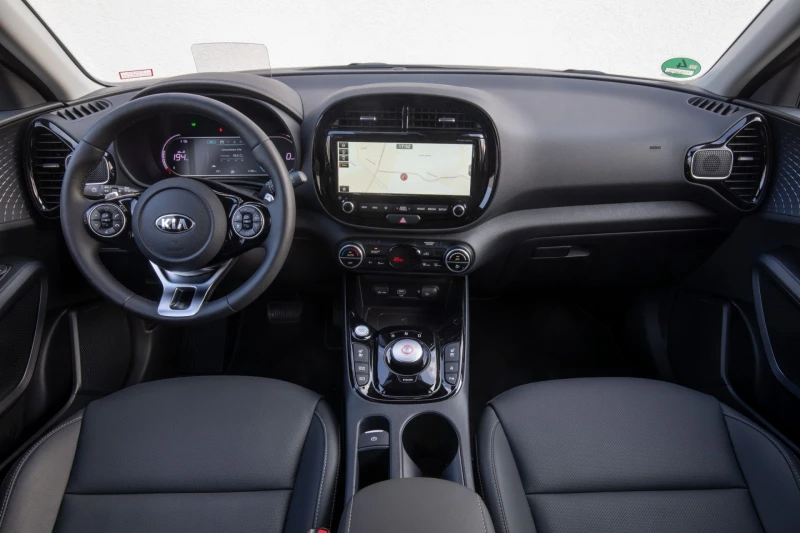
The high seating position, vertical body pillars, and signature boxy architecture create a sense of much greater interior space than you'd expect from its compact exterior dimensions. In real-world conditions on US roads and across our diverse climates, the interior proves practical and durable — without unnecessary frills, but with a solid set of modern features that are especially welcome during winter and active urban driving.
High Seating Position and Ergonomics for Daily Commutes
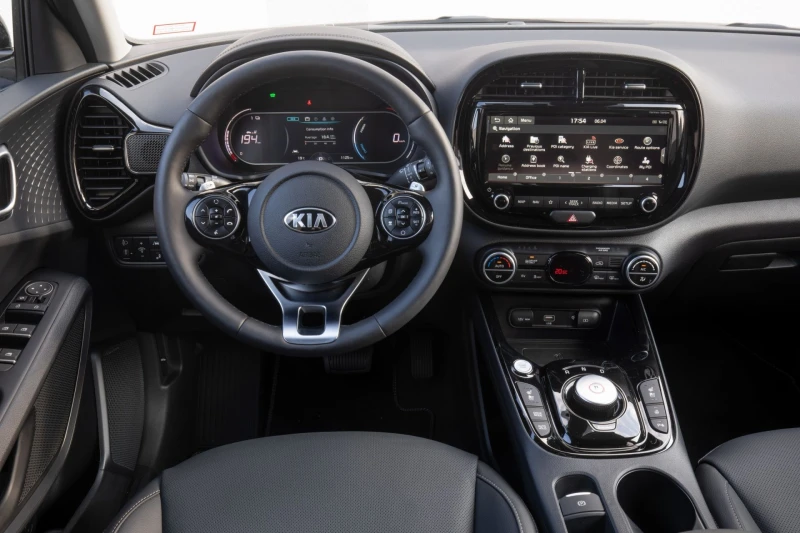
The Soul III cabin is built around the "driver above the traffic" concept. The high, nearly upright seating position immediately provides excellent forward and side visibility — particularly useful when maneuvering in tight parking lots or navigating busy streets in cities like Los Angeles, Chicago, or New York. The steering column adjusts in two planes, and in mid- and top-level trims the driver's seat gets power adjustment, memory settings, and lumbar support. Thanks to this, finding a comfortable position is easy even after long highway trips.
The instrument panel and central console are driver-focused: the digital instrument cluster (in top versions — 10.25 inches) and multimedia screen are positioned high and don't require taking your eyes off the road. Climate control with physical knobs and large buttons remains convenient even with winter gloves on, while trims above base level add wireless charging and extra USB ports — features that have become essential in today's US driving reality with constant smartphone use.
Material Quality and Performance in US Climates
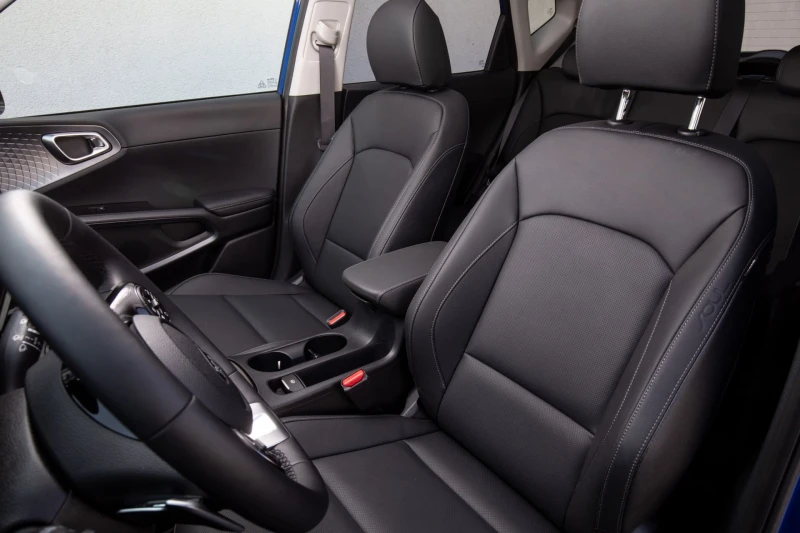
Material quality in the third generation has improved noticeably over the predecessor. The upper front panel and door cards use soft-touch plastic with a pleasant texture, while lower sections employ more durable hard plastic. Base trims feature dense fabric seat upholstery, while mid- and higher trims offer combined materials or leather with contrast stitching. After the 2022 facelift, improved inserts and door trim made the cabin even more pleasant to the touch.
In real-world use on US roads and with sharp temperature swings, the materials show good durability. Fabric resists stains from shoes and kids' gear, and leather doesn't crack in freezing temperatures. At 30,000–50,000 miles, serious wear is typically not an issue unless the vehicle was used for rideshare duty. Build quality is solid: unwanted plastic squeaks are rare and mostly limited to early pre-facelift examples.
Space and Practicality for Families and Cargo
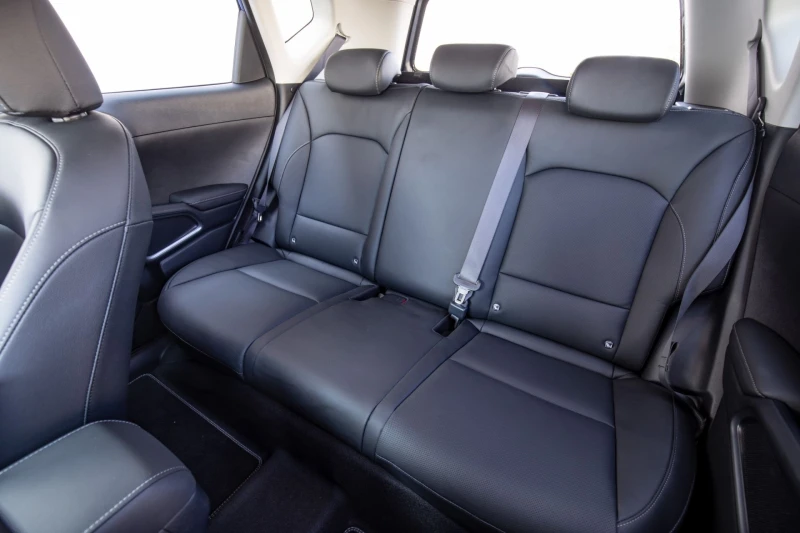
The increased wheelbase and high roofline deliver a tangible boost in interior room. The driver and front passenger enjoy ample space, while the second row accommodates two adults up to 6'1" tall with good knee and headroom even with front seats adjusted back. Rear seats feature adjustable backrest angle, a center armrest, USB ports, and air vents. For American families this matters: child seats fit easily, and rear passengers stay comfortable on longer drives.
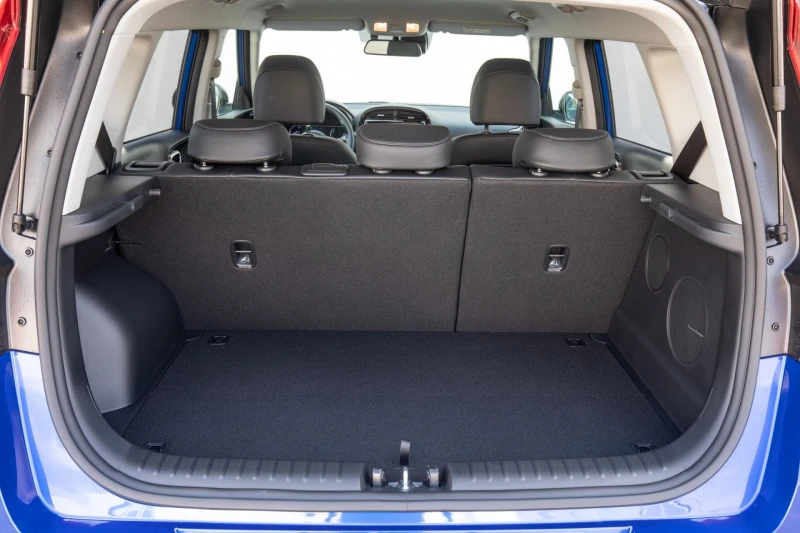
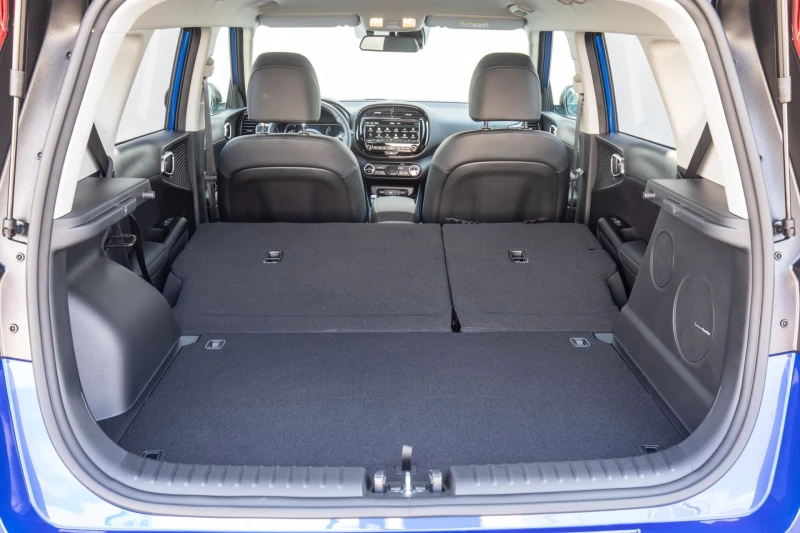
The cargo area offers about 12.5 cubic feet (354 liters, expanding to roughly 46 cubic feet with rear seats folded). It easily fits a stroller or several large bags. Some trims have a height-adjustable load floor, and folding the seats creates a nearly flat platform — handy for weekend getaways or big shopping trips.
Available Trims and Equipment on the US Market
On the US market, the Soul III comes in trims including Comfort, Luxe, Premium, and GT-Line. Mid-level versions already include climate control, heated front seats and steering wheel, an 8- to 10.25-inch multimedia touchscreen with Apple CarPlay/Android Auto support, rearview camera, and cruise control. Higher trims add leather upholstery, 360-degree camera system, keyless entry, power driver's seat, and a premium audio setup. Heated features are especially valuable for cold winters across much of the US and are available from mid trims upward.
Post-2022 facelift models feature an updated multimedia interface, additional USB ports, and refined trim materials. All-wheel drive wasn't offered in this generation, but the generous ground clearance helps in light snow and winter conditions.
Generation Updates and Real-World Impact
Since launching in 2019, the Soul SK3 received a 2022 facelift that brought targeted but noticeable interior improvements. New trim options, sharper instrument and infotainment graphics, extra connectivity ports, and softer materials in key areas were added. On the used car market, this means 2022 and newer examples look more appealing with fresher tech and less early wear. Early 2019–2021 cars remain solid choices too, though some may benefit from minor infotainment updates.
Cabin Durability and Everyday Use in the US
Day-to-day, the Kia Soul III cabin holds up well to wear and tear. Heated seats and steering wheel perform reliably even when temperatures drop to around 5°F to -4°F, making them a welcome feature in northern and midwestern winters. Materials cope well with dust and moisture, though regular cleaning of mats and door sills is recommended during transitional seasons. The facelift brought improved sound insulation, yet at highway speeds above 70 mph some tire noise still reaches the cabin, especially on secondary roads.
Rearward visibility is somewhat restricted by the high beltline, but cameras and parking aids in most trims largely compensate. Maintenance is straightforward: fabric and leather clean easily with everyday products, and plastics need little special care. Past 50,000 miles, the most typical wear is minor fabric abrasion on the driver's seat cushion — usually resolved with professional upholstery cleaning.
Overall, the Kia Soul III (SK3) (2019–present) interior stays relevant for its age and segment on the US market in 2026. It delivers a practical, functional cabin with strong equipment levels that still feel current. For most buyers seeking the best value, the Luxe and Premium trims from 2022 onward hit the sweet spot: they include all the daily comfort essentials like heating systems and modern multimedia without the premium cost of fully loaded versions.