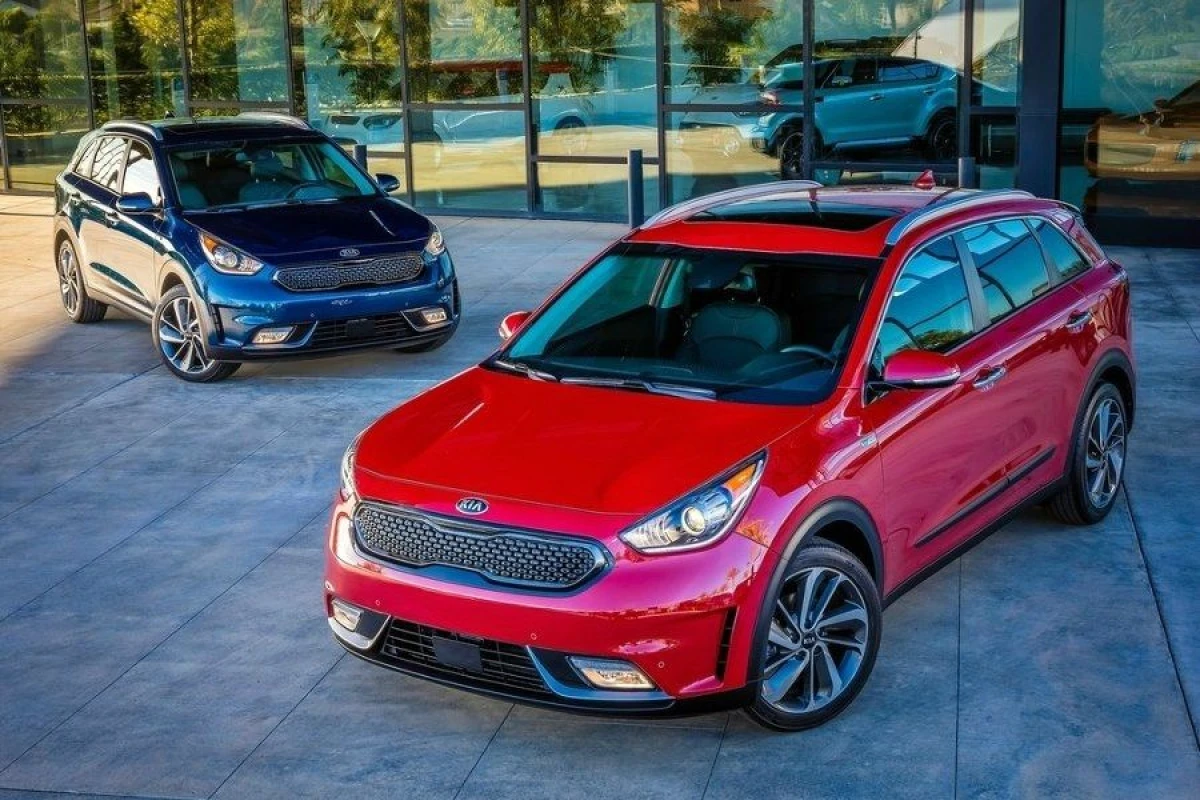



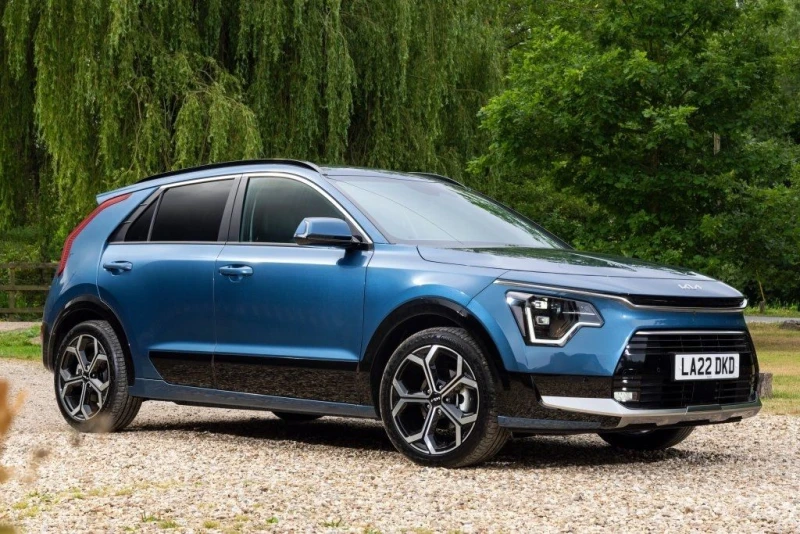
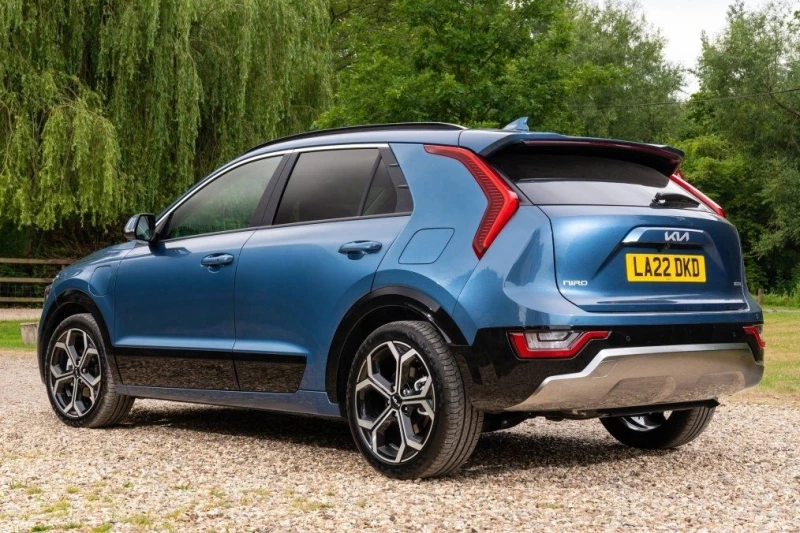
The second-generation Kia Niro (SG2) reached U.S. dealers for the 2023 model year in three front-wheel-drive forms: the Niro Hybrid, Niro Plug-in Hybrid, and Niro EV. It is an efficient and practical compact crossover, but buyers should separate normal design compromises from confirmed defects and verify each vehicle by VIN before purchase.
The main points to consider are:
- Fuel economy and electric range: EPA ratings depend heavily on the powertrain and wheel package. The Niro Hybrid is rated at 53 mpg combined with 16-inch wheels and 49 mpg combined with 18-inch wheels. The PHEV was rated at up to 33 miles of electric range and 108 MPGe combined, while the Niro EV carries a 253-mile EPA range rating. Cold weather, sustained highway driving, cabin heat, tire choice, and charging habits can reduce real-world results.
- Infotainment and touch controls: dual 10.25-inch displays are available on higher trims rather than standard across the range. The shared touch-sensitive climate and media control strip requires switching between functions, which some drivers may find distracting. Check phone pairing, navigation, cameras, Kia Connect functions, and every steering-wheel control during a test drive.
- Road noise and ride quality: tire and pavement noise can become more noticeable at highway speeds, especially on coarse surfaces. Touring trims with 18-inch wheels trade some efficiency and ride compliance for appearance, so they should be driven back-to-back with 16-inch-wheel versions when possible.
- Cabin materials: the interior is modern, but several lower panels use hard plastic and glossy trim can show scratches and fingerprints. Light-colored upholstery also needs closer inspection for staining and wear.
- Specialized service requirements: the hybrid, plug-in hybrid, and EV systems require proper diagnostic equipment and technicians familiar with high-voltage components. Confirm that a qualified Kia dealer or independent electrified-vehicle specialist is available locally.
- Potentially expensive components: a traction battery, inverter, onboard charger, electric drive unit, or hybrid transmission can be costly outside warranty. Review the remaining factory coverage, its transfer terms, and the service history instead of assuming every electrified component is covered.
Model Years and Versions: What Deserves Extra Attention
The U.S. second-generation Niro begins with the 2023 model year. Equipment and availability can vary by powertrain, trim, and state, so the VIN, window sticker, and official recall record are more reliable than a generic listing description.
- 2023: this was the first U.S. model year for the SG2 generation. Buyers of a Niro EV should verify recall completion by VIN. Certain 2023–2024 Niro EVs were recalled for an improperly heat-treated driveshaft, and a very small group of 2023 Niro EVs was recalled for improperly tightened differential bolts in the gear drive unit.
- 2024: the basic U.S. powertrain lineup and core specifications remained largely unchanged. Do not assume that a later build automatically resolves an individual complaint; check software status, recall completion, tire condition, and service records on the specific vehicle.
- 2025–present: model-year changes have mainly involved equipment, packaging, and feature availability rather than a completely different mechanical layout. Current trim and powertrain availability should be confirmed against the window sticker and Kia's U.S. model information for the exact year.
There is not enough evidence to treat high-voltage battery degradation as a widespread SG2 defect. A used-car inspection should still include a diagnostic scan and a battery-health assessment appropriate to the HEV, PHEV, or EV version. The Hybrid is the least dependent on charging access, the PHEV makes the most sense when it can be plugged in regularly, and the EV requires a realistic home and public-charging plan.
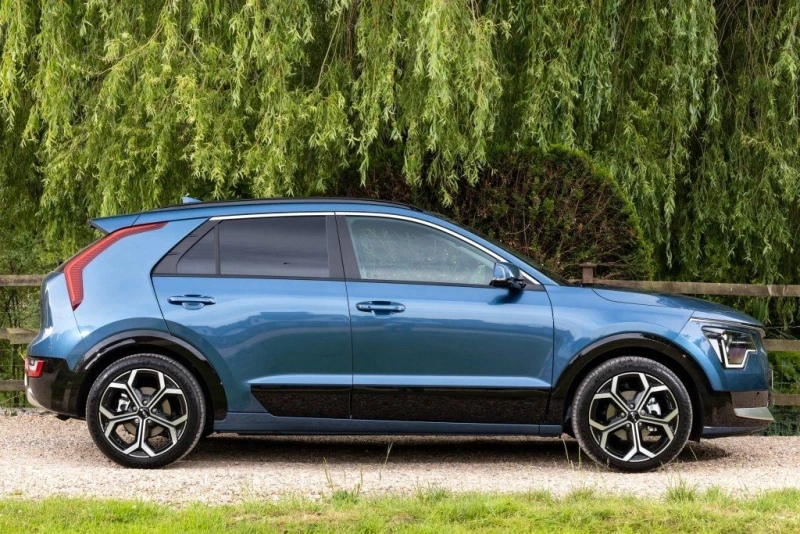
The Used Kia Niro Market in the United States
Used SG2 Niro listings are commonly found on Autotrader, CarGurus, and Cars.com, with most examples dating from the 2023 model year onward. Asking prices vary substantially by powertrain, trim, mileage, title history, region, and remaining warranty, so a single nationwide price range can be misleading.
Key used-market checks include:
- Body and underbody condition: inspect the lower front bumper, rocker areas, aerodynamic panels, and battery shielding for curb or road-debris damage. Paint chips and wheel damage are more important than broad claims about corrosion resistance.
- Road salt and corrosion: vehicles from snow-belt states deserve a close look underneath, including suspension hardware, brake components, seams, and fasteners. Surface rust is not the same as structural corrosion, but it can affect future service work.
- Service and recall history: obtain maintenance records and verify open recalls through the VIN. Dealer-performed software updates and recall repairs should be documented rather than assumed.
- Trim and equipment accuracy: U.S. trims differ by powertrain. The Hybrid has been offered in LX, EX, EX Touring, SX, and SX Touring forms; the PHEV in EX and SX Touring; and the EV in Wind and Wave. Confirm features on the actual window sticker because listings often copy incorrect equipment.
- Mileage, title, and prior damage: compare the odometer with service records and use a vehicle-history report such as CARFAX or AutoCheck. Rebuilt, salvage, flood, and buyback titles require additional scrutiny, especially on electrified vehicles.
- Charging and battery checks: on a PHEV or EV, test both AC charging and any applicable DC fast-charging function, inspect the charge port, scan for stored faults, and request a battery-health report from a qualified shop. Do not rely on the dashboard range estimate alone.
- Typical market configuration: the 53-mpg Hybrid rating applies to 16-inch-wheel versions, while 18-inch-wheel Touring models are rated at 49 mpg combined. That difference should be reflected in both expectations and test-drive comparisons.
What Can Be Corrected and How to Budget for It
Many ownership complaints are related to tires, setup, software, or wear rather than a failed hybrid or EV system:
- Correct tire pressure, alignment, and an appropriate replacement tire can improve noise, ride quality, and efficiency.
- Infotainment updates, recall work, and some control-module software updates should be handled through a Kia dealer when applicable.
- Scratched glossy trim, worn seat surfaces, and minor interior damage can be repaired or replaced, but original trim pieces may be more expensive than expected.
- Suspension noises should be diagnosed before parts are replaced; tires, loose hardware, bushings, links, and damaged wheels can produce similar symptoms.
- Underbody cleaning and corrosion protection may be worthwhile for vehicles used in heavy road-salt regions, but existing damage should be inspected first.
- Maintenance should follow the VIN-specific Kia schedule. Do not apply a generic fluid-change interval from a different market or powertrain.
A sensible purchase budget should cover a pre-purchase inspection, a full diagnostic scan, battery testing where applicable, immediate maintenance, tires if needed, and title or recall verification. A fixed percentage of the vehicle price is less useful than an estimate based on the individual car's condition.
Conclusions and Buying Advice
The Kia Niro II (SG2) remains a strong option for buyers who prioritize efficiency, a useful hatchback-style cargo area, and a compact footprint. Its main trade-offs are front-wheel drive only, modest performance in the Hybrid, reduced efficiency with larger wheels, and charging dependence in the PHEV and EV.
For maximum fuel economy, a Hybrid with 16-inch wheels is the most straightforward choice. A PHEV is most suitable for an owner who can charge regularly, while the Niro EV is best evaluated around local charging access, winter conditions, and the 253-mile EPA range rating rather than gasoline-car assumptions.
Before buying new or used, verify:
- battery condition and charging operation on PHEV and EV versions
- recall completion and software status by VIN
- smooth operation of the Hybrid or PHEV dual-clutch transmission
- infotainment, cameras, driver-assistance features, and Kia Connect functions
- tire wear, wheel damage, suspension noise, body condition, title history, and service records
See the other articles in this series for the generation overview, specifications, and interior analysis.