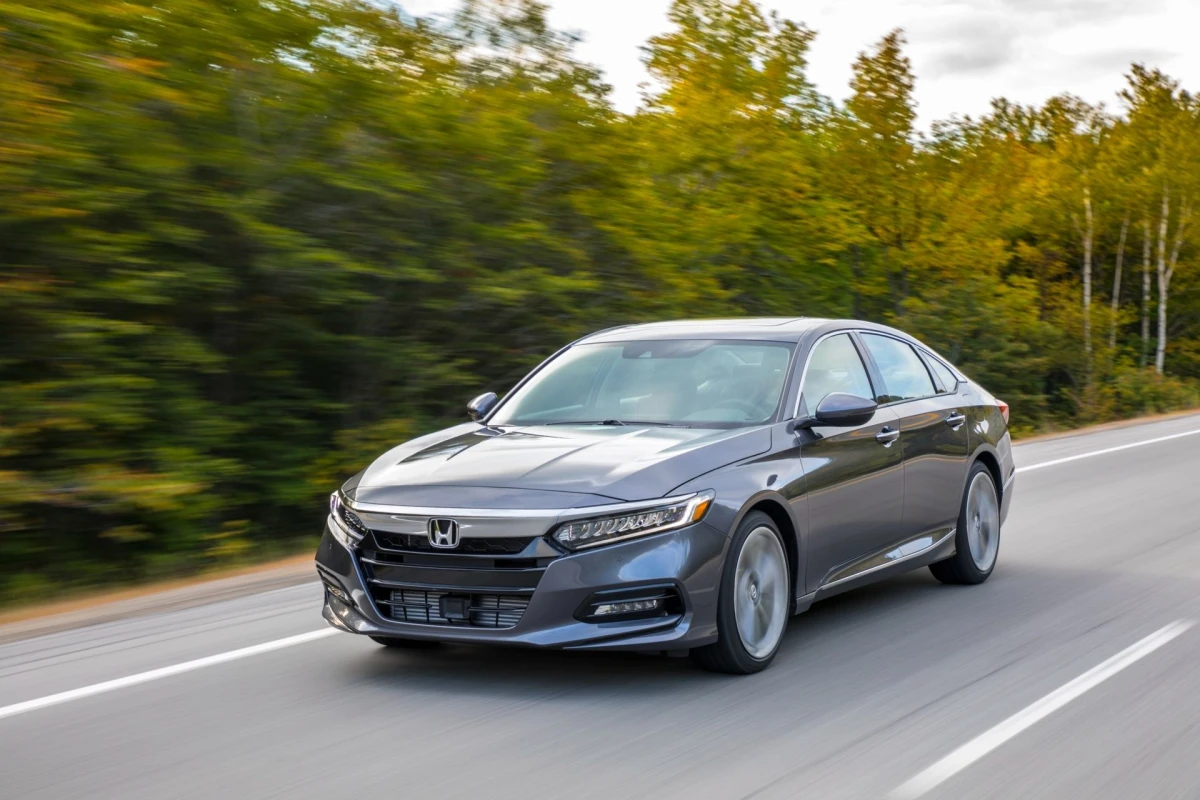



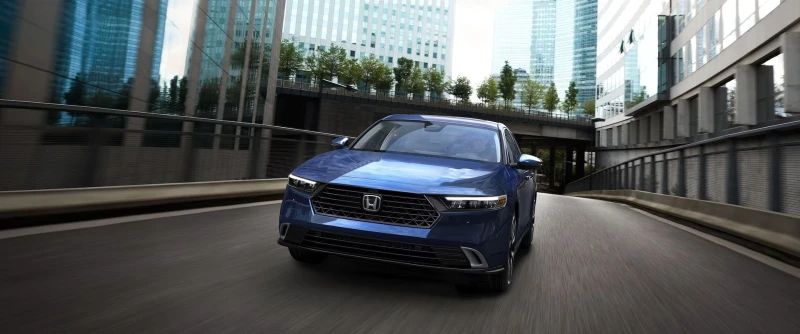
The eleventh-generation Honda Accord arrived in the United States for the 2023 model year. The U.S. lineup combines a turbocharged 1.5-liter four-cylinder with a CVT in the non-hybrid trims and a 2.0-liter two-motor hybrid system in the higher trims. Because this is still a relatively recent generation, used-car concerns are less about one established pattern of major failures and more about recall status, software, accident history, maintenance, and the equipment fitted to a specific trim.
Key points to consider:
- Fuel economy: real-world mpg can vary significantly with temperature, traffic, highway speed, terrain, tire choice, and climate-control use. Hybrid versions generally benefit most from urban and mixed driving, while cold weather, short trips, or prolonged high-speed highway driving can reduce their efficiency advantage. Compare reported fuel economy with the EPA rating for the exact trim rather than treating one owner's figure as typical for every Accord.
- Infotainment and connectivity: equipment varies by model year and trim. The 2023–2025 LX and the 2023–2024 EX use a 7-inch center touch-screen, while hybrid trims use a 12.3-inch display. Later model-year equipment also changed, so a used-car inspection should include Apple CarPlay and Android Auto, Bluetooth, USB ports, the backup camera, wireless charging where fitted, and Google built-in on Touring Hybrid models.
- Ride and tire noise: wheel and tire choice has a noticeable effect on refinement. Versions with 19-inch wheels use lower-profile tires than the 17-inch-wheel variants, so tire brand, wear, inflation pressure, and pavement quality can make a meaningful difference to cabin noise and ride comfort.
- Interior condition: inspect frequently touched trim, seat bolsters, console surfaces, steering-wheel controls, and door panels for wear or damage. On a recent Accord, unusually heavy cabin wear can also be a useful reason to investigate whether the recorded mileage and previous use are consistent with the vehicle's condition.
- Hybrid-system checks: the U.S.-market Accord Hybrid is not a plug-in vehicle and does not use an external charging connector. Before buying a used hybrid, check for warning messages or stored diagnostic trouble codes and confirm that the gasoline engine, electric drive system, regenerative braking, and transitions between operating modes work normally. If there is any doubt about the high-voltage system, a qualified Honda technician should inspect it.
- Recall status: certain 2023–2024 Accord and Accord Hybrid vehicles were included in a U.S. safety recall involving the high-pressure fuel pump, which could potentially develop a fuel leak. Some 2023 Accord Hybrid vehicles were also covered by emissions-related campaigns involving ECU software or an engine-block inspection. Recall applicability is VIN-specific, so every used example should be checked through Honda and NHTSA rather than relying only on model year.
Model years — what to look for
The eleventh-generation Accord remains the current U.S. generation. The basic powertrain strategy has stayed consistent, but trim names and standard equipment have changed:
- 2023: first U.S. model year of the generation. LX and EX used the 192-hp 1.5-liter turbo engine with a CVT, while Sport Hybrid, EX-L Hybrid, Sport-L Hybrid, and Touring Hybrid used the 204-hp two-motor hybrid system. Because it is the launch year, verify that any applicable software campaigns and recalls have been completed.
- 2024: the basic trim and powertrain structure remained similar to 2023. Certain 2023–2024 vehicles are covered by the high-pressure fuel-pump recall, making a VIN check particularly important before purchase.
- 2025: Honda replaced the gasoline EX trim with the SE. LX and SE retained the 192-hp 1.5-liter turbo/CVT combination, while Sport Hybrid, EX-L Hybrid, Sport-L Hybrid, and Touring Hybrid continued with the 204-hp hybrid powertrain. Equipment was revised as well, including additional standard convenience features on several trims.
- 2026: the U.S. lineup consists of LX, SE, Sport Hybrid, EX-L Hybrid, Sport-L Hybrid, and Touring Hybrid. LX and SE continue with the 192-hp turbocharged 1.5-liter engine, while the four hybrid trims use the 204-hp two-motor system. Equipment should still be verified by VIN and trim because screen size, driver-assistance features, wheels, audio systems, and comfort equipment differ substantially across the range.
Rather than assuming a later model year is automatically trouble-free, check each vehicle individually for completed recalls, service records, software updates, collision repairs, tire condition, and correct operation of its electronic systems.
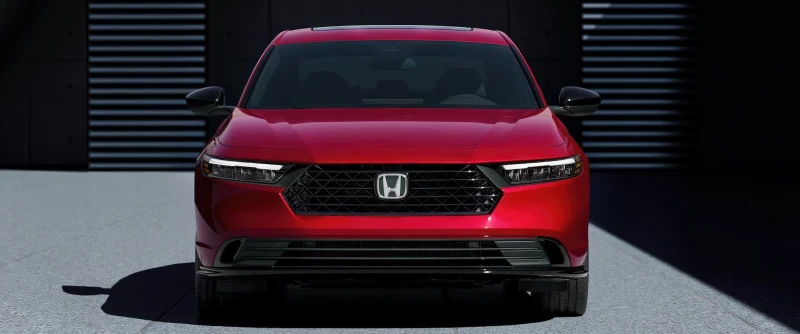
Used Honda Accord XI market in the United States
The eleventh-generation Accord is widely represented on the U.S. used-car market, including dealer-certified vehicles, lease returns, trade-ins, and privately sold cars. Listings can be compared through major platforms such as Autotrader, CarGurus, and Cars.com. Prices vary substantially by model year, trim, mileage, region, accident history, title status, and whether the car uses the turbo or hybrid powertrain, so a single national price figure is not especially useful.
Important used-car checks include:
- Body and collision history: inspect paint thickness, panel gaps, headlights, glass, underbody components, and suspension mounting points. A clean-looking exterior does not rule out previous collision repairs.
- Rust and environmental exposure: newer Accords should not normally show significant structural corrosion, but cars operated in regions that use road salt still deserve an underbody inspection, especially around suspension hardware, brake components, fasteners, and exposed metal parts.
- Service history: look for consistent maintenance records and confirm that the correct engine oil, transmission fluid, and other service items were handled according to Honda's Maintenance Minder and applicable service information.
- Original equipment and repairs: verify that collision repairs have not resulted in incorrect lights, sensors, cameras, wheels, or aftermarket parts that interfere with Honda Sensing systems. Cars that have had windshield or front-end work may require correct camera or radar calibration.
- Mileage and vehicle history: compare the odometer reading with service records and vehicle-history databases. Mileage alone is less informative than a consistent history showing how and where the car was used and maintained.
- Recall completion: enter the VIN in the NHTSA recall database and check with a Honda dealer for open campaigns. Do not assume that a recall was completed simply because the car has changed owners or was previously sold by a dealer.
- Typical configurations: used listings include the 1.5T-powered LX, EX, and later SE as well as Sport Hybrid, EX-L Hybrid, Sport-L Hybrid, and Touring Hybrid models. Compare cars within the same trim and powertrain rather than treating all eleventh-generation Accords as directly equivalent.
What can be corrected and what to budget for
Many issues found during a pre-purchase inspection are conventional used-car items rather than Accord-specific defects:
- Software and infotainment issues should first be checked against available Honda updates, service bulletins, and recall campaigns.
- Worn or noisy tires can have a major effect on ride quality and cabin noise, particularly on trims with 19-inch wheels. Check tread depth, age, alignment, and whether all four tires are appropriate and evenly matched.
- Minor interior wear, damaged trim, and cosmetic defects can usually be addressed independently of the powertrain, but replacement costs vary considerably by part and trim.
- Suspension noises should be diagnosed rather than automatically attributed to a common model defect. Inspect tires, wheels, bushings, links, dampers, and evidence of curb or collision damage.
- On hybrid models, high-voltage-system warnings or diagnostic codes should be investigated by a technician with appropriate Honda hybrid-system equipment before purchase.
- Routine maintenance should follow Honda's Maintenance Minder and the service requirements for the exact powertrain rather than a generic fixed mileage interval taken from another market.
A sensible used-car budget should therefore include a professional pre-purchase inspection, any overdue maintenance, tires or brakes if required, and a reserve for defects identified during inspection. Cars with accident history, incomplete service records, warning lights, or unresolved recalls deserve additional scrutiny regardless of their asking price.
Conclusions and recommendations
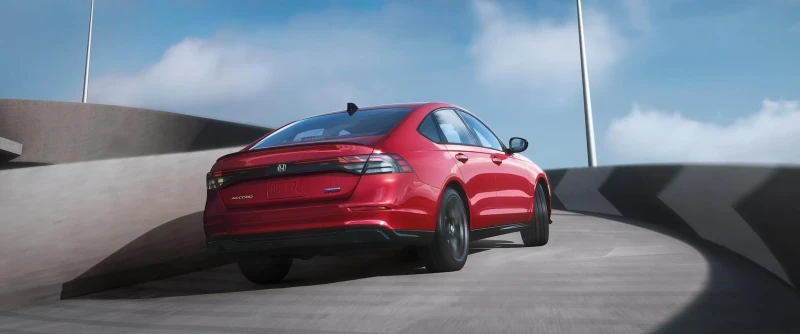
The Honda Accord XI is a modern midsize sedan with two distinctly different U.S.-market powertrain choices. The 1.5-liter turbo versions use a conventional CVT-based layout, while the hybrid trims combine a 2.0-liter gasoline engine with Honda's two-motor hybrid system. Which configuration makes more sense depends on driving patterns, equipment priorities, and the condition of the individual used car.
Model year alone should not determine the purchase. A well-documented earlier car with completed campaigns and a clean inspection can be a better candidate than a newer example with accident damage, missing maintenance history, or unresolved recalls.
Before buying a new or used Accord XI, check:
- the VIN for open Honda and NHTSA recalls
- engine, CVT, or hybrid-system warning codes
- operation of the touch-screen, phone connectivity, cameras, and Honda Sensing features
- tires, wheels, alignment, brakes, and suspension condition
- bodywork and evidence of previous collision repairs
- maintenance and ownership history
For an overview of the generation, technical specifications, and interior equipment, see the other materials in this series.