However, the model will not be introduced in the United States. The decision stems from current market conditions beyond any single design element.
Declining Demand for Electric Vehicles in the US
Following the conclusion of the federal EV incentive program this fall, sales of electric vehicles in the United States have decreased by nearly 60%. Their market share has fallen from around 13% to approximately 5%. Automakers have used discounts and other measures to maintain interest, though results have been mixed. Certain manufacturers, including Ford, have encountered scrutiny over subsidy practices.
In response, Kia has concluded that the US market currently lacks sufficient readiness for new electric sedans without financial support. Rising import tariffs have also impacted the pricing advantages of several Asian vehicles.
Current Status of the Kia EV4
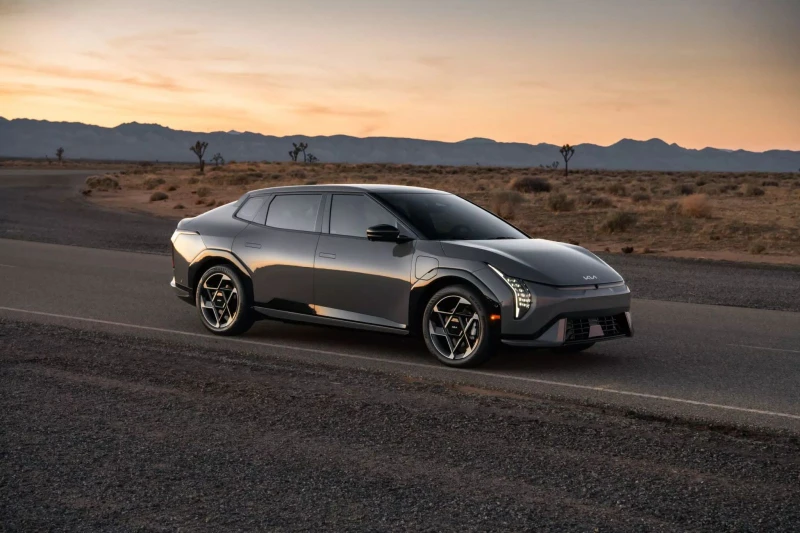
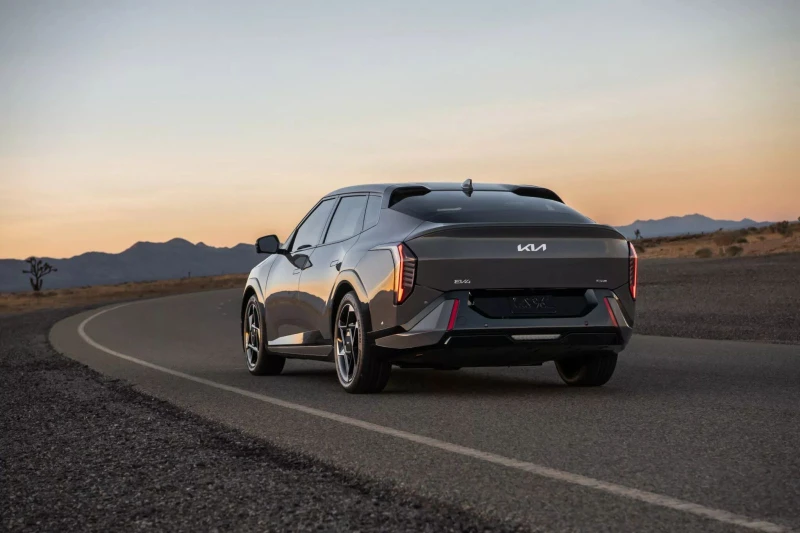
The EV4 debuted at the New York Auto Show. The compact sedan, measuring about 4.4 meters, is equipped with a 58.3 kWh battery and compatibility with the Tesla charging network. Shortly afterward, Kia stated that US sales would be delayed until further notice.
The model will launch in Europe, where the base version is priced at approximately 35,000 €. It offers a range of up to 400 km per charge. The previous Ceed gasoline model provided a lower entry price and conventional refueling with a 50-liter tank.
Challenges for EV Adoption
The Kia EV4 features contemporary technology and solid driving characteristics. Purchasing decisions, however, are heavily influenced by overall economics and total cost of ownership. The vehicle's design includes angular lines and a distinctive rear section.
Industry Implications
This development with the EV4 demonstrates that recent growth in the electric vehicle sector has relied substantially on government incentives. When such support diminishes, consumer interest can decline rapidly. Improvements in battery technology and charging infrastructure may alter the landscape in the future, potentially allowing Kia to re-evaluate the model. The case reflects the evolving interplay between policy, economics, and automotive product planning.