


On the American used-car market in 2026, the Kia Ceed II remains one of the most appealing choices in its segment thanks to strong reliability, solid build quality, and thoughtful ergonomics. Below we examine the cabin design, typical trim packages available in the US, design evolution over the years, and the most common owner observations based on forums and review platforms.
Overall Cabin Overview
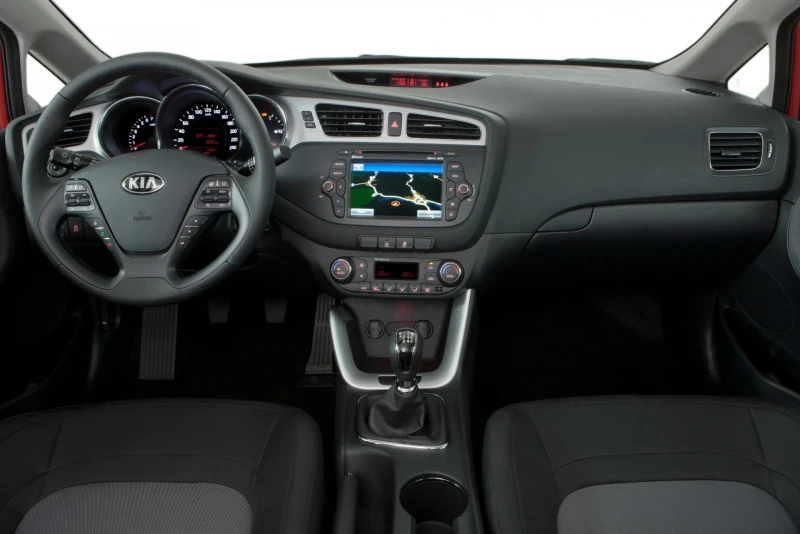
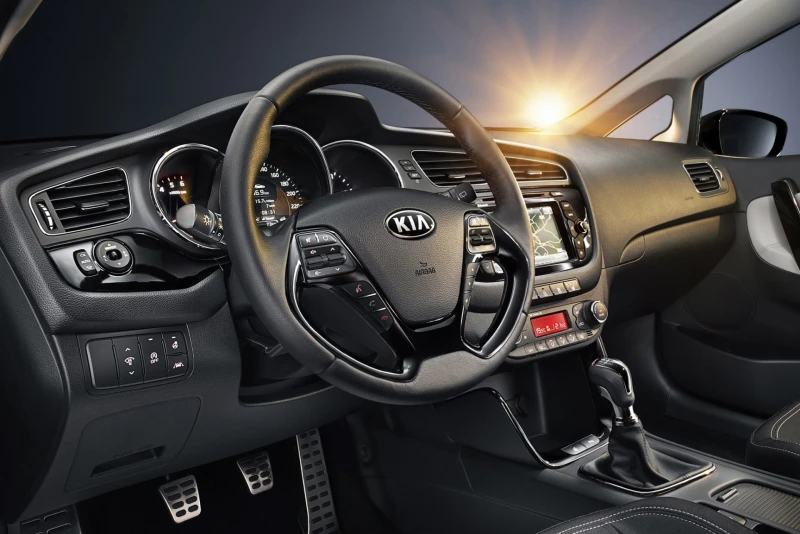
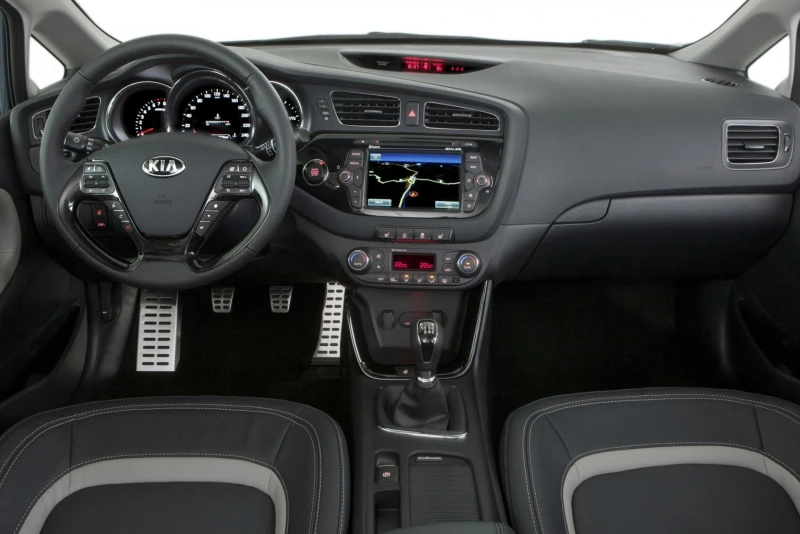
The interior of the Kia Ceed II follows a clean, functional layout with a horizontal dashboard design: upper section dedicated to vents and trim accents, middle zone for infotainment and climate controls, lower area for storage bins and cupholders. Entry-level versions feature hard plastics and cloth upholstery, while mid- and top-spec models add soft-touch dash surfaces, partial leather seating, and aluminum-look or piano-black trim pieces. Perceived quality is solid for the class—tight panel fitment, minimal gaps—and the leather in higher trims typically holds up well for 8–10 years with normal care, although lower hard-plastic areas can pick up scratches and develop light creaks over time.
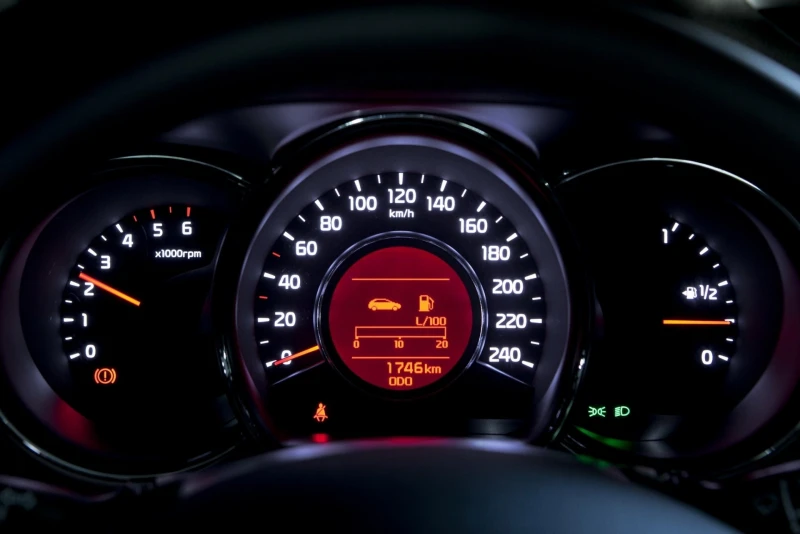
The instrument cluster is analog with a traditional speedometer and a small monochrome trip-computer display (upgraded to a 4.2-inch color screen in higher trims after the facelift). The central infotainment screen measures 7 inches in most mid- and upper-level packages, with navigation and Bluetooth connectivity standard on Prestige and above. Driver ergonomics are excellent: the steering column adjusts for tilt and telescoping reach, the seat offers ample fore/aft and recline adjustment (power in top trims), and pedal placement feels natural, reducing fatigue on long drives.
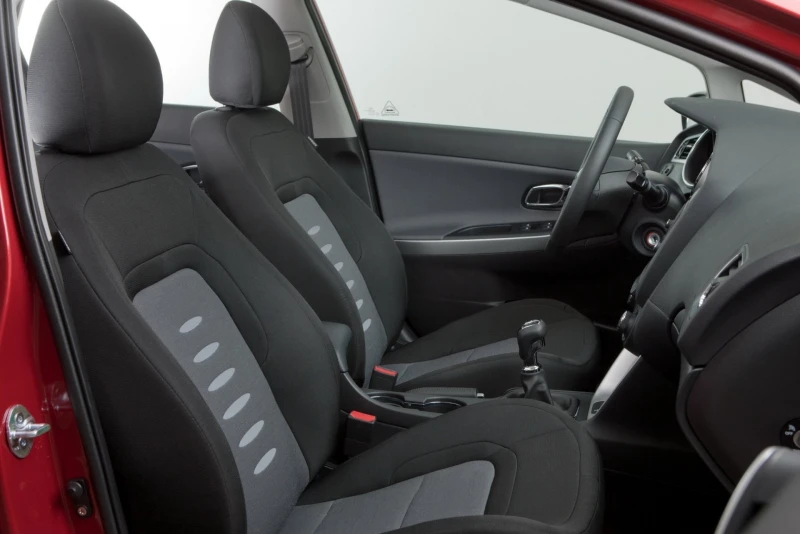
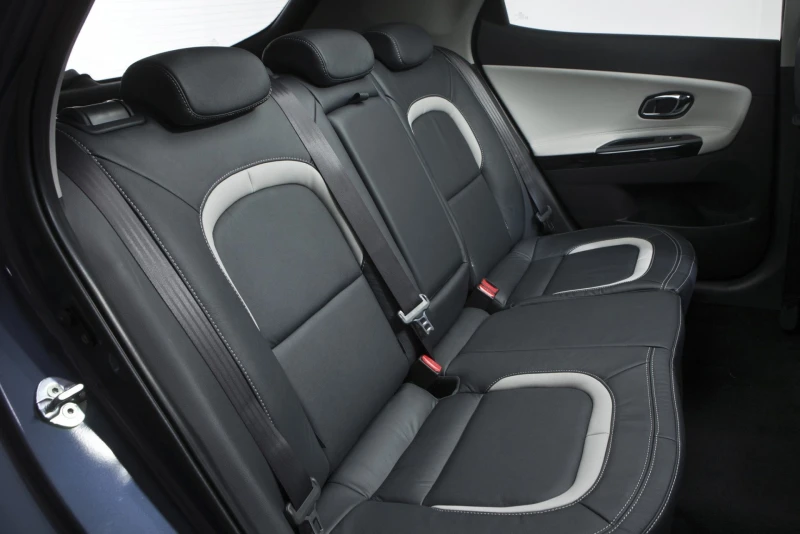
Front-seat comfort is good with moderate side bolstering; legroom measures about 41 inches and shoulder room around 55 inches. The rear bench accommodates three adults reasonably well—knee room around 35 inches, headroom about 37 inches—but the center position is firmer due to the prominent floor tunnel. Forward visibility is strong, though thick rear pillars limit the view out back; most mid- and higher-trim examples include a rearview camera to help compensate.
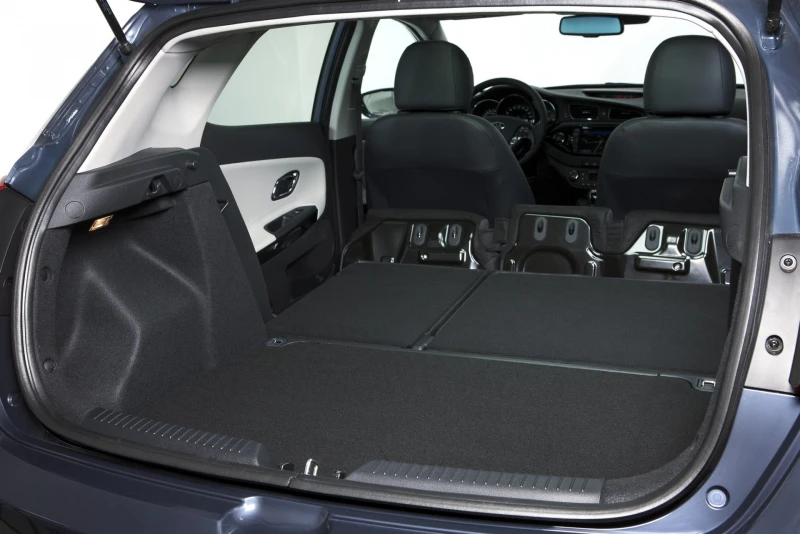
Hatchback cargo space stands at 380 liters (13.4 cu ft) with the cover in place, expanding to 1,318 liters (46.5 cu ft) with the 60:40 split rear seats folded. The wagon (SW) version offers 528–1,642 liters (18.6–58 cu ft), while the pro_cee’d hatch provides 380–1,225 liters (13.4–43.3 cu ft). Practicality remains a strong point: flat load floor when seats are down, low liftover height, and a full-size spare tire stored underneath. Everyday usability is high with plenty of storage cubbies, though the lack of rear USB ports and wireless charging (normal for the era) makes it less gadget-friendly by today’s standards.
Trim Levels & Packages in the US Market
The following trim levels dominate the used Kia Ceed II (JD) market in the United States:
| Trim Level | Typical Years | Interior Materials | Infotainment | Climate Control | Key Features |
| Classic / LX | 2012–2015 | Cloth, hard plastics | CD/MP3 audio system | Manual A/C | Heated front seats, 15–16" steel wheels |
| Comfort / EX | 2013–2018 | Cloth + leatherette, soft-touch inserts | 7" touchscreen + Bluetooth | Automatic climate control | Heated steering wheel, auto lights/wipers, 16" alloy wheels |
| Prestige / SX | 2015–2018 | Leather, aluminum-look trim | 7" touchscreen + navigation | Dual-zone automatic climate | Rearview camera, keyless entry/start, 17" alloys, lane departure warning |
| GT / GT-Line | 2013–2018 | Leather + Alcantara, sport seats | 7" touchscreen + navigation | Dual-zone automatic | 18" alloys, firmer suspension, 1.6 T-GDI 201 hp, sport body kit |
In the US market, Comfort/EX and Prestige/SX trims are the most commonly found, especially models delivered or imported in 2015–2017. Panoramic sunroofs were limited mostly to SX and GT-Line variants and remain relatively rare. Driver assists such as lane departure warning and blind-spot monitoring became available after the 2015 facelift on higher trims.
Interior Changes by Year & Facelift
The Kia Ceed II cabin evolved gradually, with the most significant updates arriving in the 2015 facelift. From 2012–2014 the interior launched with simpler materials: cloth in base models, partial leather in mid trims, analog gauges, and a smaller 5-inch audio display. By 2014, heated steering wheels appeared on higher trims along with improved door sound deadening.
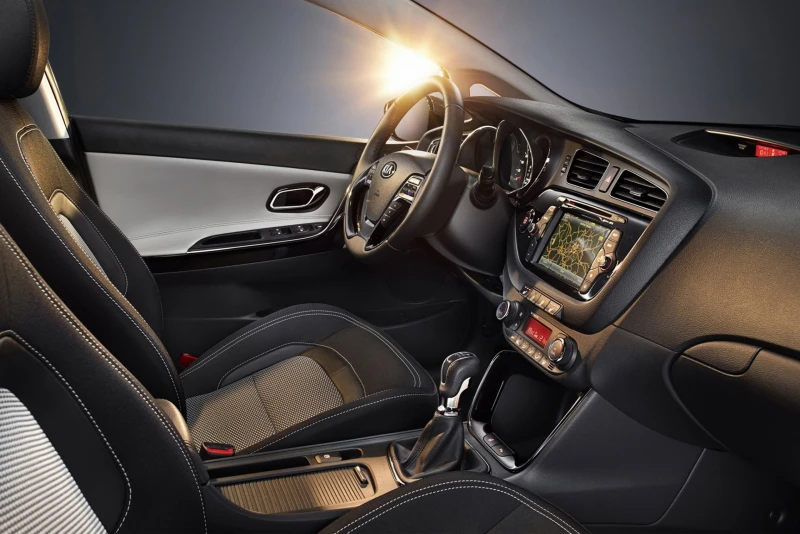
The 2015 facelift introduced a redesigned center console with a larger 7-inch touchscreen, softer-touch plastics, additional trim accents, and expanded color choices (black, beige, gray). Cabin noise was noticeably reduced thanks to added insulation in the engine bay and wheel wells—road and tire noise dropped roughly 8–12% according to period tests. Infotainment gained navigation and better smartphone integration, while top trims received an optional 4.2-inch driver-information display. These changes brought the cabin closer to contemporary standards.
From 2016–2018 minor enhancements continued, including additional USB ports in higher trims and ventilated front seats on select GT-Line models. Post-facelift examples (2015–2018) command higher resale values in the used market—typically 15–20% more than earlier cars—due to better material durability, fewer rattles, and quieter cabins.
Common Owner Complaints & Cabin Quirks
The most frequently mentioned interior traits and issues on the US used market:
- Material wear: leather in higher trims holds up well but can fade after 5–7 years in strong sun; base cloth seats show dirt easily;
- Weak points: center-console trim pieces scratch relatively easily, door handles wear from frequent use;
- Creaks & rattles: pre-facelift models tend to develop door panel squeaks on rough roads; post-2015 cars are noticeably quieter but tire roar remains audible on highways;
- Rear-seat comfort: adequate space for adults, but the center seat is firm; pronounced temperature differences in winter/summer call for good heating/cooling;
- Visibility: thick rear pillars create blind spots; the rear camera helps but can get dirty in wet weather;
- Cleaning challenges: lighter interior colors show dust and road salt quickly; regular detailing is needed to maintain appearance.
Most of these issues become more noticeable on cars that spent significant time on poorly maintained roads or received minimal interior care.
Final Thoughts & Relevance in 2026
In 2026 the Kia Ceed II cabin—especially post-2015 facelift examples—feels dated next to current models (smaller screens, limited touchscreen functionality), yet it remains impressively practical and well-constructed for its age. Materials and ergonomics still compare favorably with many compact cars from the 2010s.
The best value on the American used market is usually found in 2015–2018 Prestige/SX models: leather upholstery, dual-zone climate, 7-inch infotainment, and heated features for an approximate market range of $9,000–$13,000. These offer an excellent balance of comfort and equipment without the higher running costs and firmer ride of the GT-Line variants.
When shopping for a used example, pay special attention to:
- Condition of leather and plastic surfaces (no major cracks or fading);
- Full functionality of the infotainment system (navigation, Bluetooth connectivity);
- Absence of dashboard rattles or signs of amateur repairs;
- Condition of lighter trim pieces and carpets;
- Proper operation of seat heaters and (where equipped) ventilation—especially important in varied US climates.
Overall, the 2012–2018 Kia Ceed interior continues to be one of the model’s strongest attributes on the used market in the sub-$14,000 price range.