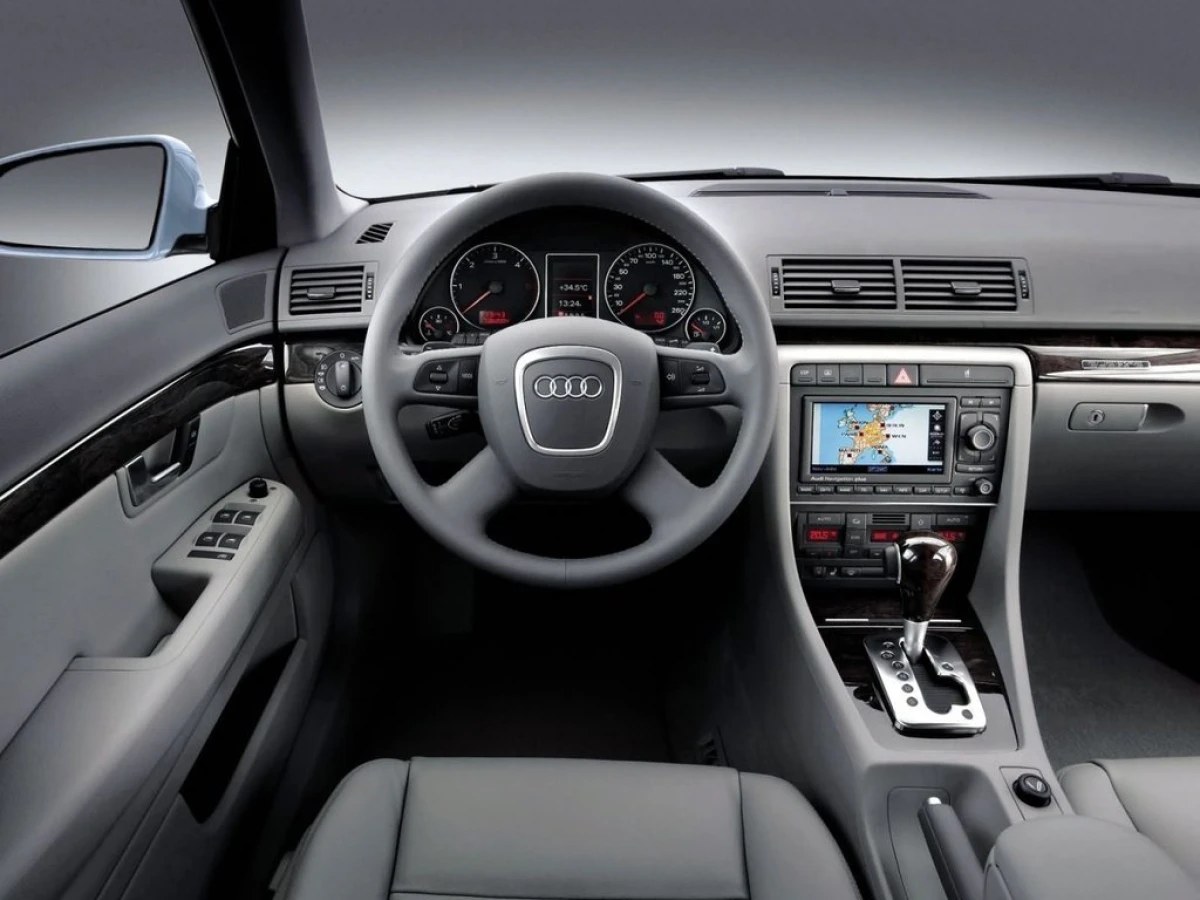



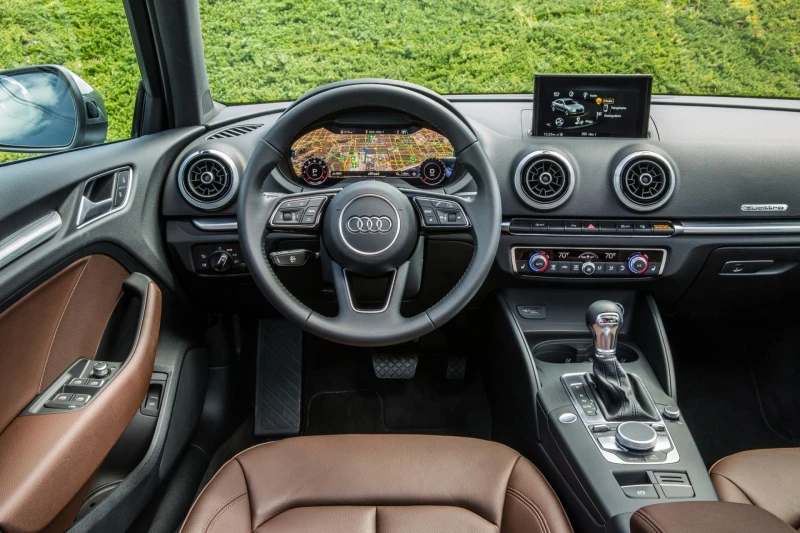
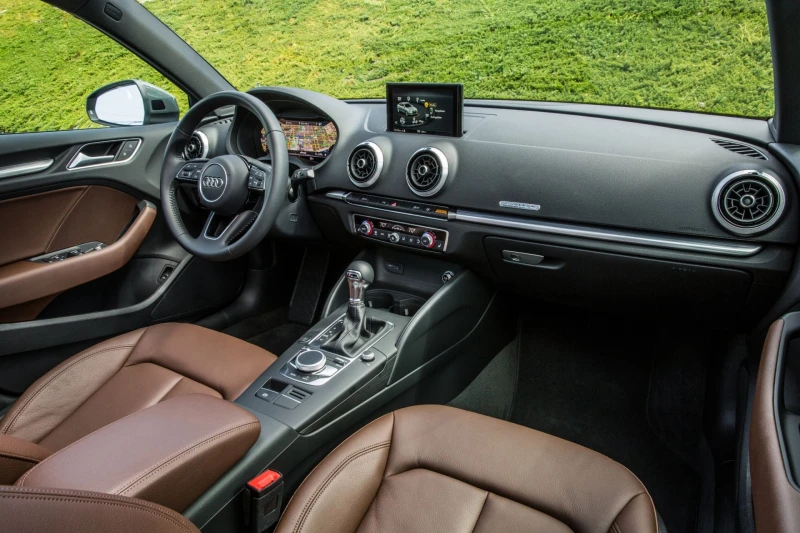
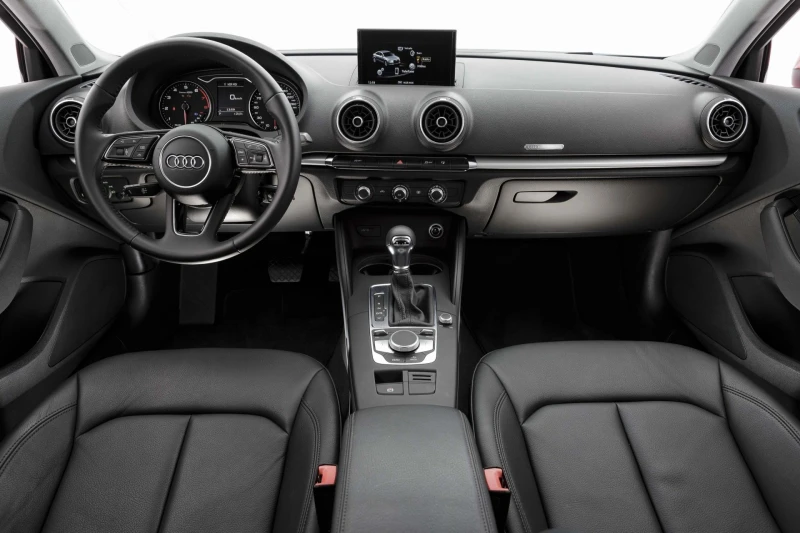
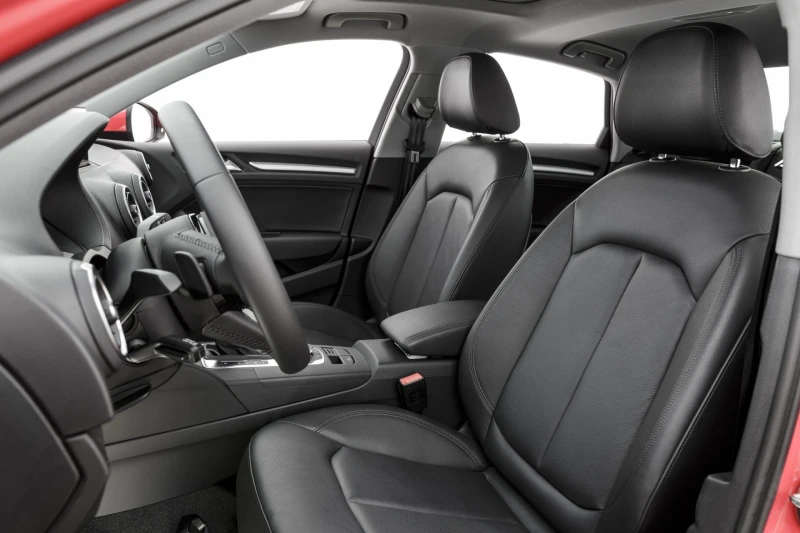
The cabin of the 2012–2020 Audi A3 was engineered for comfort and tech, remaining highly competitive even in 2026 on the American used-car scene. Trim materials feature soft-touch plastics on the dash, aluminum or genuine wood inlays (depending on spec), and leather or Alcantara on the steering wheel and seats. The instrument panel keeps a driver-focused, clean layout: analog gauges (pre-facelift) with a TFT screen in between, while the center console angles toward the driver and houses a retractable MMI display ranging from 5.8 to 7 inches.
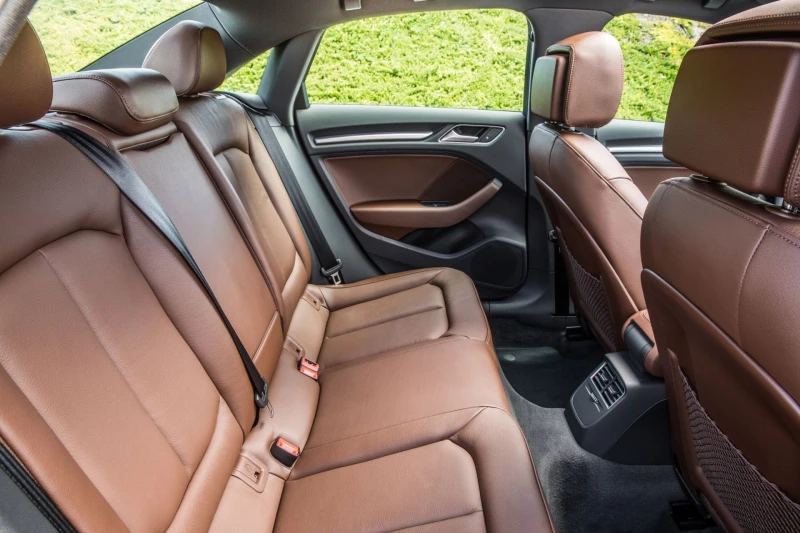
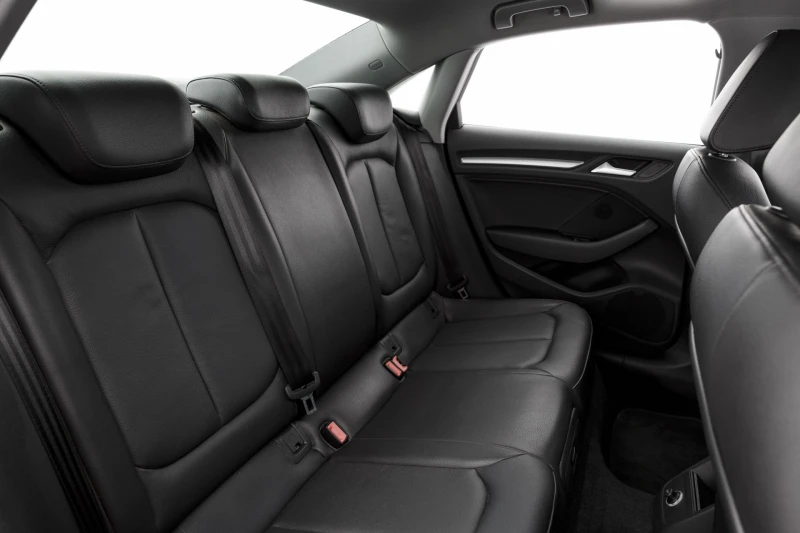
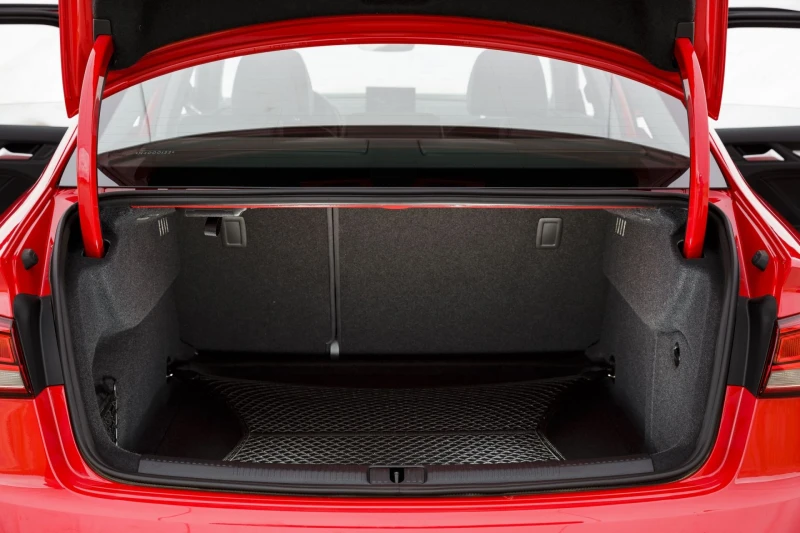
Seating comfort stands out — the driver's seat offers strong side bolstering, height adjustment, and lumbar support on higher trims. Front passengers enjoy generous space, while the rear seats accommodate two adults comfortably (wheelbase ~164.5 inches), though a third passenger will notice the prominent center tunnel. Audi A3 2012–2020 cabin provides solid sound insulation — especially strong in diesel models (where available) with minimal vibrations. Trunk space: Sportback models offer 380–1220 liters (~13.4–43 cu ft), sedans 425–880 liters (~15–31 cu ft). The 40/60 split-folding rear seats are practical with a nearly flat load floor, though no standard ski pass-through. Storage is excellent: plenty of cubbies, cupholders, and USB ports. Overall, the Audi A3 interior remains a premium choice without excess — perfect for city driving and highway cruising across the US.
Trims & Features: What's Included
On the US used market, Audi A3 III cabin varies significantly by trim — mostly Premium, Premium Plus, Prestige, and S line packages. Base Premium: cloth upholstery, manual A/C, basic audio with 8 speakers, manual seat adjustments, entry-level MMI without navigation. Comfort is basic but materials feel upscale — soft plastics and aluminum accents.
Premium Plus (more popular): sport seats with leather/cloth combo, leather-wrapped multifunction steering wheel, automatic climate control, cruise control, larger wheels (affecting ride). Infotainment upgrades to MMI with Bluetooth; navigation often optional. Prestige (luxury-oriented): full leather, heated seats, parking sensors, enhanced sound deadening, available panoramic sunroof. Driver aids include blind-spot monitoring and adaptive headlights.
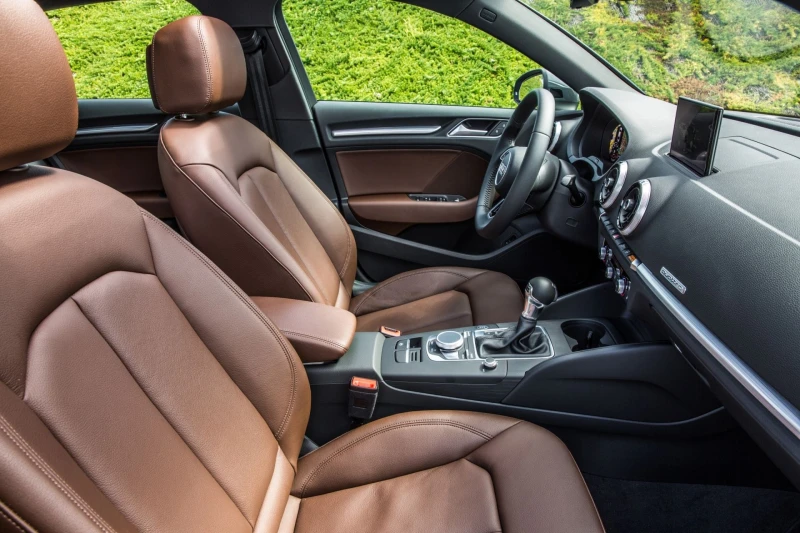
Top-tier S line / Prestige builds: Alcantara/leather, sport interior accents (pedals, flat-bottom wheel), Bang & Olufsen premium audio (14 speakers), Virtual Cockpit (from 2016), adaptive cruise, panoramic roof, four-zone climate with air purification. Many US-market imports and domestic examples come loaded — leather, MMI with Apple CarPlay/Android Auto (often retrofitted), heated seats. Used prices today: entry-level examples typically $10,000–$15,000; well-equipped post-facelift models $16,000–$24,000 or more, depending on mileage and condition.
| Trim Level | Key Interior Features | Notable Options |
| Premium (base) | Cloth, manual A/C, basic MMI | Aluminum trim |
| Premium Plus | Sport seats, auto climate, multifunction wheel | Cruise, Bluetooth, larger infotainment |
| Prestige | Leather, heated seats, parking sensors | Panoramic roof, driver assists |
| S line / Prestige (top) | Alcantara, Virtual Cockpit, premium audio | Adaptive cruise, air quality system |
Year-to-Year Changes Within the Generation
The 2016 facelift brought major interior upgrades to the Audi A3 III. Pre-2016 models featured analog gauges, a 5.8-inch MMI screen, and more basic finishes. Sound insulation was good, though early cars (2012–2014) sometimes developed minor trim rattles. After the facelift: Virtual Cockpit arrived (12.3-inch digital cluster replacing traditional gauges), updated MMI with a 7-inch screen and sharper graphics, fresh upholstery colors (grays, beiges with contrast stitching).
Noise suppression improved (extra door insulation), plus options like a better-sealed panoramic roof and ambient interior lighting. In the US, post-2016 examples (2016–2020) remain very desirable for the modern feel — Virtual Cockpit makes navigation intuitive, and updated infotainment often supports Apple CarPlay/Android Auto (sometimes added later). These updates keep the cabin feeling fresh and improve comfort on long interstate drives.
Common Questions & Cabin Drawbacks
On the American used market, higher-mileage 2012–2020 Audi A3 models show typical age- and condition-related issues. Light-colored leather or fabric soils quickly from dust, road salt (northern states), or coffee — regular detailing recommended (1–2 times per year). Wear items: steering wheel and seats show shine or bolstering collapse past 90,000–100,000 miles, especially ex-fleet vehicles; center console plastic scratches easily.
Rear-seat space feels tight for three adults; prominent tunnel intrudes. Visibility: thick pillars limit sightlines — rear parking sensors or camera highly recommended in urban areas. Maintenance notes: in varied US climates (hot summers, cold winters), A/C compressors can fail, infotainment may glitch if battery or fuel quality is poor. Electrical gremlins: occasional central locking or window issues, wireless charging faults on loaded cars. Check for clogged sunroof drains (leaks into cabin) and prior accident damage (misaligned trim panels). Always get a pre-purchase inspection.
Bottom Line: How the Cabin Holds Up Today & Best Trim to Target
In 2026 the Audi A3 2012–2020 interior still looks and feels upscale thanks to timeless minimalism and solid build quality — easily holding its own against rivals like the BMW 1 Series or Mercedes A-Class of the era. Virtual Cockpit and updated MMI keep it relevant, even without the giant touchscreens found in newer models. For the US market, aim for a Premium Plus or Prestige trim with leather, climate control, heated seats, and driver aids — the sweet spot for value ($14,000–$20,000 range) with strong comfort, efficiency, and lower running costs.
When shopping used: inspect trim condition closely (scratches, wear), verify all electronics function (update software if needed), check for odors/stains, and test every window, lock, and feature. A professional inspection is a must. The Audi A3 III cabin remains one of the best picks if you want genuine premium feel in a compact package.