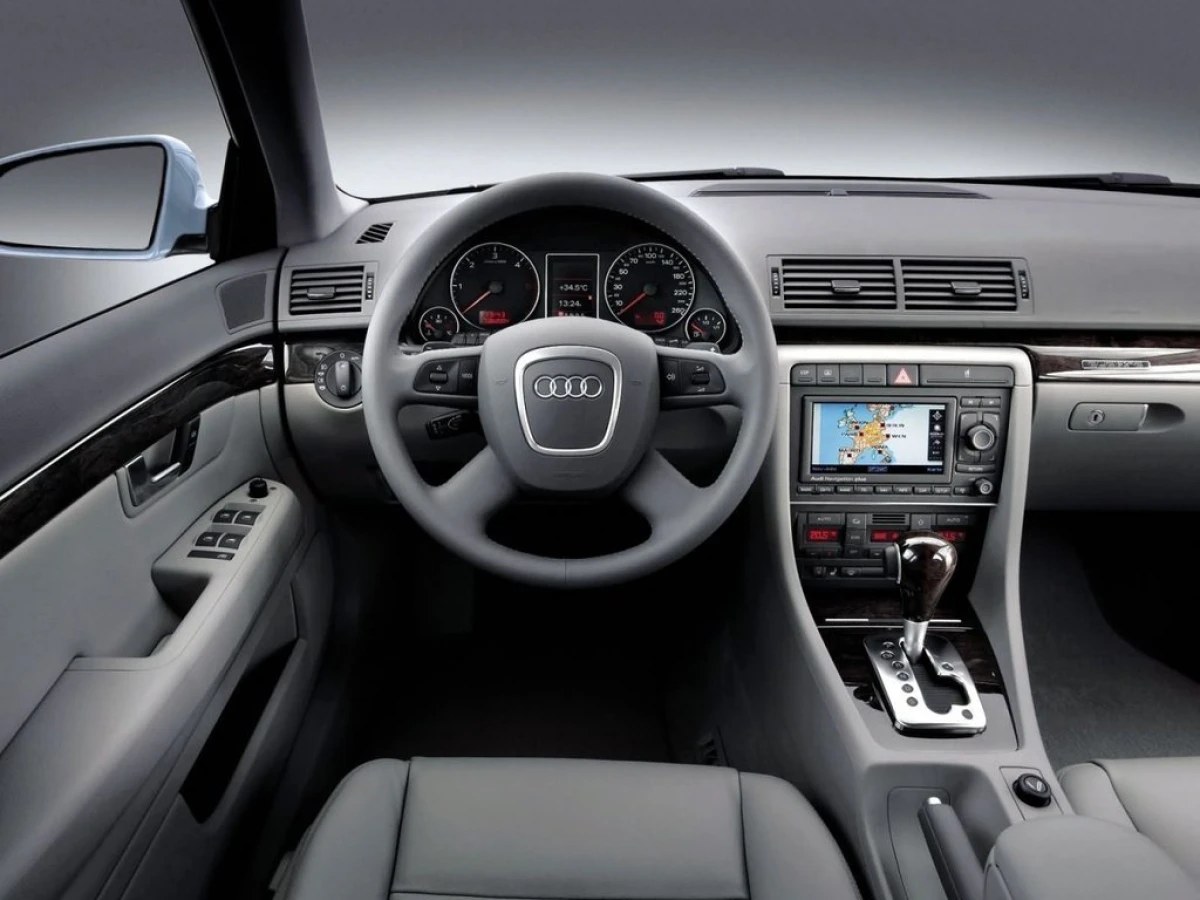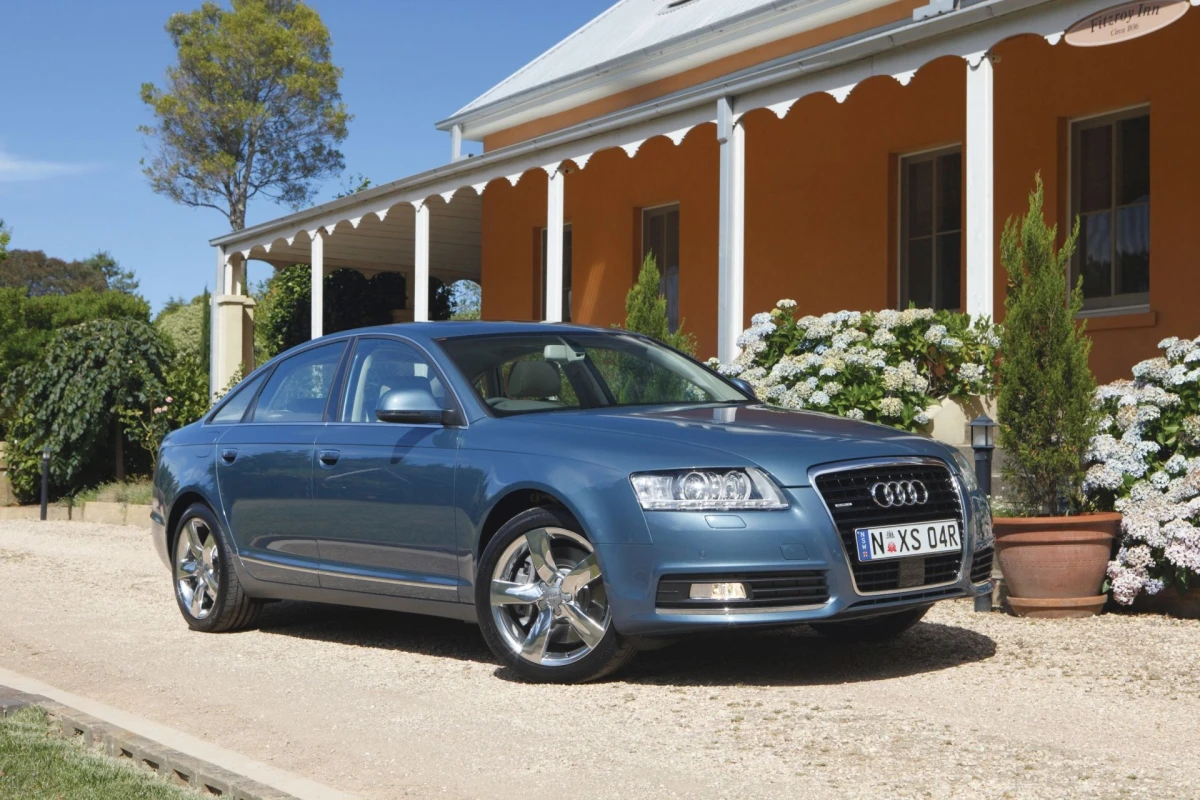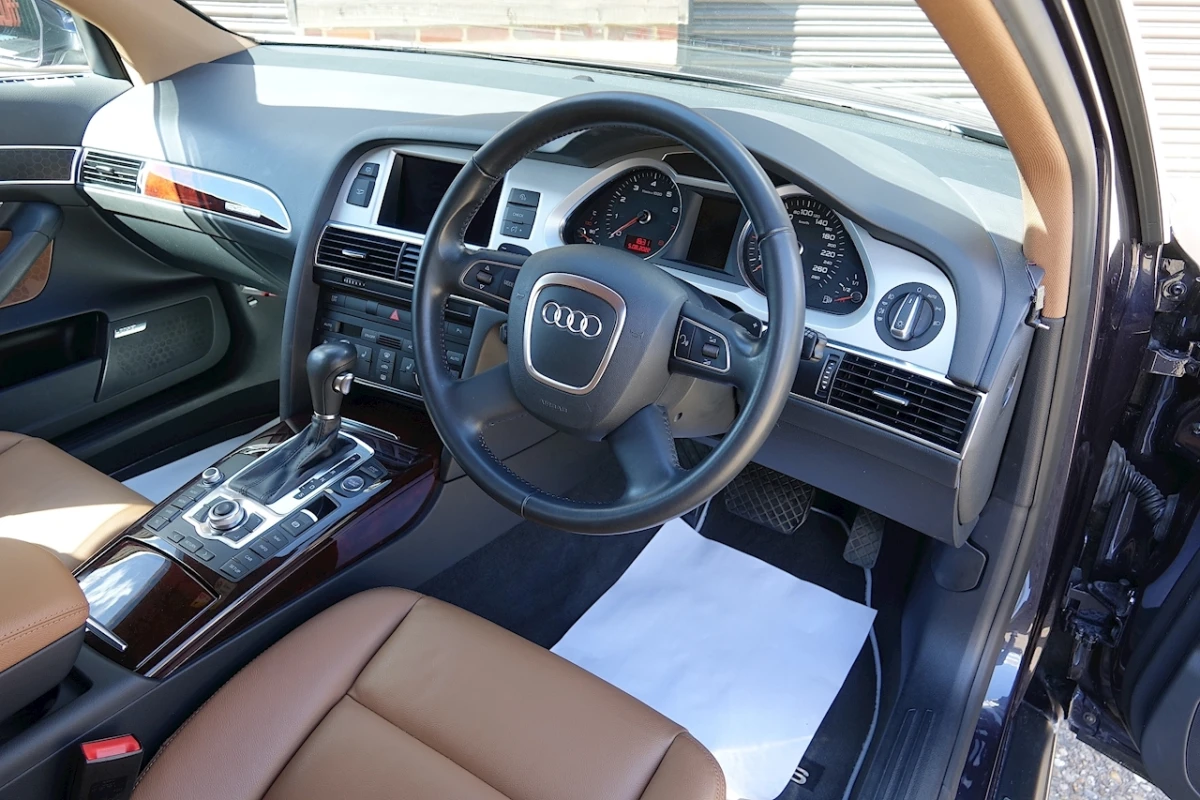



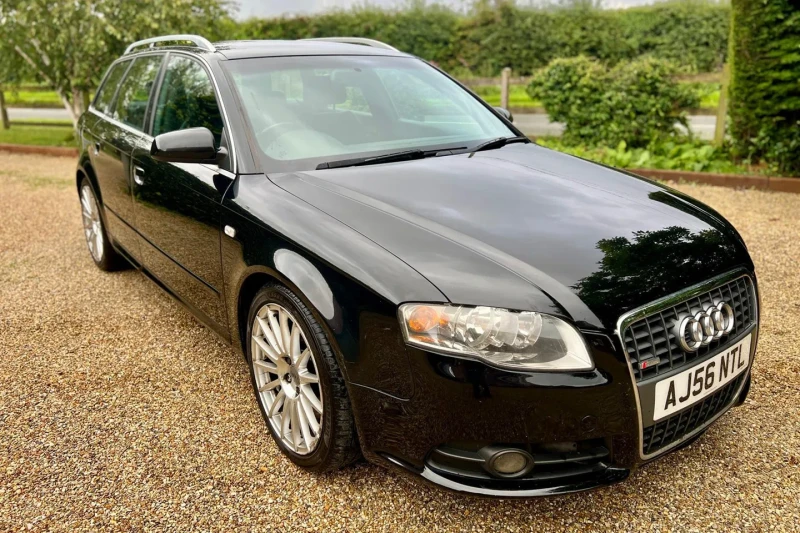
This model, commonly referred to as the Audi A4 2004–2009, debuted in late 2004 as a sedan, with the Avant wagon and Cabriolet following in 2005. Production wrapped up in 2008 for the sedan and 2009 for the other body styles, giving way to the fourth-generation B8. Sales in the U.S. market began in 2005, with strong availability through Audi dealers and a healthy supply of imports ever since. By 2009, the model was discontinued.
The car rides on the PL46 platform (a refined version of the B6's), featuring a longitudinal engine layout and optional quattro all-wheel drive. Key design highlights include a bolder Singleframe grille, sharper headlights, and smoother, more dynamic body lines inspired by the Nuvolari concept. The Audi A4 third generation was offered as sedan, Avant wagon, Cabriolet, and high-performance S4/RS4 variants. Powertrains ranged from 1.6L to 4.2L (gasoline FSI/TFSI and TDI diesel), delivering 102–420 hp, paired with manual, Multitronic CVT, or Tiptronic automatic transmissions, and front- or all-wheel drive. The cabin featured premium materials, optional MMI infotainment, and a strong emphasis on comfort. This Audi A4 review highlights its well-rounded blend of style, performance, and everyday usability in the D-segment.
What’s New Compared to the Previous Generation
Compared to the second generation (B6, 2000–2004), the Audi A4 III (B7) is more of a deep facelift than an all-new car. The platform stayed largely the same (PL46 with refinements), but body rigidity increased by about 10%, and the suspension received revised tuning for sharper handling – multi-link front and trapezoidal-link rear. Aluminum components helped reduce weight and improve agility.
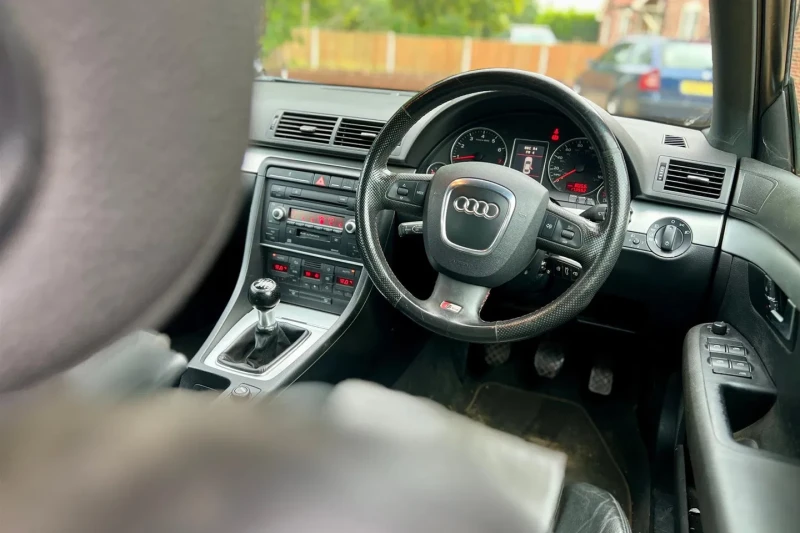
The exterior received a major refresh: a larger Singleframe grille, optional bi-xenon headlights, and LED daytime running lights on higher trims; redesigned taillights with horizontal emphasis. Aerodynamics improved (Cd 0.28 vs. 0.30 on B6). Inside, higher-quality materials (leather, aluminum trim), a redesigned dashboard with color display, and a more ergonomic steering wheel. Comfort improved with better sound insulation (noise reduction of 5–10 dB) and slightly more interior space (wheelbase extended 6 mm to 104.3 inches).
Tech upgrades included direct-injection FSI/TFSI engines (e.g., 2.0 TFSI with 200 hp replacing the 1.8T), more efficient common-rail TDI diesels (though less common in the U.S.), and the Multitronic CVT with simulated 7 speeds. Safety reached 5-star Euro NCAP levels, with standard ESP and added rear side airbags. Overall, the Audi A4 third generation became more dynamic, refined, and advanced, solidifying its position against the BMW 3 Series and Mercedes C-Class.
U.S. Market
In the United States, the Audi A4 2004–2009 remains a sought-after choice on the used market, especially among fans of premium sedans and wagons. Listings on platforms like Cars.com, Autotrader, and CarGurus show hundreds of active B7 models as of early 2026. Its appeal stems from solid build quality, timeless design, and relatively affordable running costs compared to newer luxury vehicles. Imports from Europe have supplemented the supply, with wagons (Avant) making up a notable portion alongside sedans; Cabriolets are less common.
Used price range: $4,000 to $10,000 (approximate market values depending on condition, mileage, and location). Average transaction price hovers around $6,000–$8,000 for decent examples. Early 2005–2006 models often fall in the $4,000–$6,000 range, while well-kept 2007–2009 examples with lower miles, quattro, and desirable options can reach $8,000–$10,000 or more for top condition. Prices have remained fairly stable with slight upward pressure from demand for clean classics. Most popular are the 2.0T gasoline models (for performance and parts availability) and quattro variants. Demand is strong in major markets like Los Angeles, New York, Miami, and Chicago, where the A4 is valued for its blend of luxury and all-weather capability. This Audi A4 review positions it as a premium alternative to something like a Volkswagen Passat with added refinement.
Main Trims and Configurations in the U.S. Market
In the American market, the Audi A4 III came in trims tailored for U.S. preferences, emphasizing comfort, technology, and available performance. Common packages included base models, sport-oriented versions, and premium setups. U.S. models often featured enhanced corrosion protection and cold-weather options.
Base trim: cloth interior, air conditioning, 8-speaker audio, 16-inch wheels, ABS, ESP, multiple airbags. Used prices typically $4,000–$6,000.
Premium/Comfort-oriented: leather seats, climate control, cruise control, parking sensors, 17-inch wheels, optional MMI. Highly sought after for daily driving, around $6,000–$8,000.
Sport-focused: sport seats, lowered suspension, xenon headlights, multifunction steering wheel. Popular choice, $7,000–$9,000 range.
Top-tier S line: body kit, leather/Alcantara, premium audio, bi-xenon lights, often quattro. Prices from $8,000–$10,000+.
Common engines in the U.S. included the 2.0T gasoline (turbo FSI) and occasional 3.2 V6; most came with automatic or CVT (front-drive) or Tiptronic (quattro). U.S.-spec models frequently included automatic transmissions.
| Trim | Key Features | Approximate Used Price (USD) |
| Base | Cloth, A/C, 16" wheels | $4,000–$6,000 |
| Premium/Comfort | Leather, climate control, parking aids | $6,000–$8,000 |
| Sport | Sport seats, xenon, lowered suspension | $7,000–$9,000 |
| S line | Body kit, premium audio, quattro | $8,000–$10,000+ |
Final Verdict
The Audi A4 III is a great fit for the U.S. market as a versatile premium car for commuting, family use, or spirited drives. For families, it offers a spacious cabin (5 seats) and generous cargo (up to 27–58 cu ft in the Avant); in the city, its compact size (about 15.4 ft long) and efficiency shine; for road trips or light off-pavement, quattro provides excellent traction. Why consider one: premium feel at an accessible used price, proven longevity (many exceed 200,000 miles with care), and strong brand cachet. Compared to rivals, the A4 delivers one of the best mixes of luxury, driving enjoyment, and practicality.
When shopping, check service history (original records ideal), engine condition (2.0T – watch for oil consumption or cam follower wear), rust (undercarriage and wheel arches in salt-belt states), mileage (verify via VIN), and suspension wear. A pre-purchase inspection is highly recommended. Overall, the Audi A4 2004–2009 remains an excellent pick for anyone seeking a stylish, capable midsize premium sedan on a realistic budget.