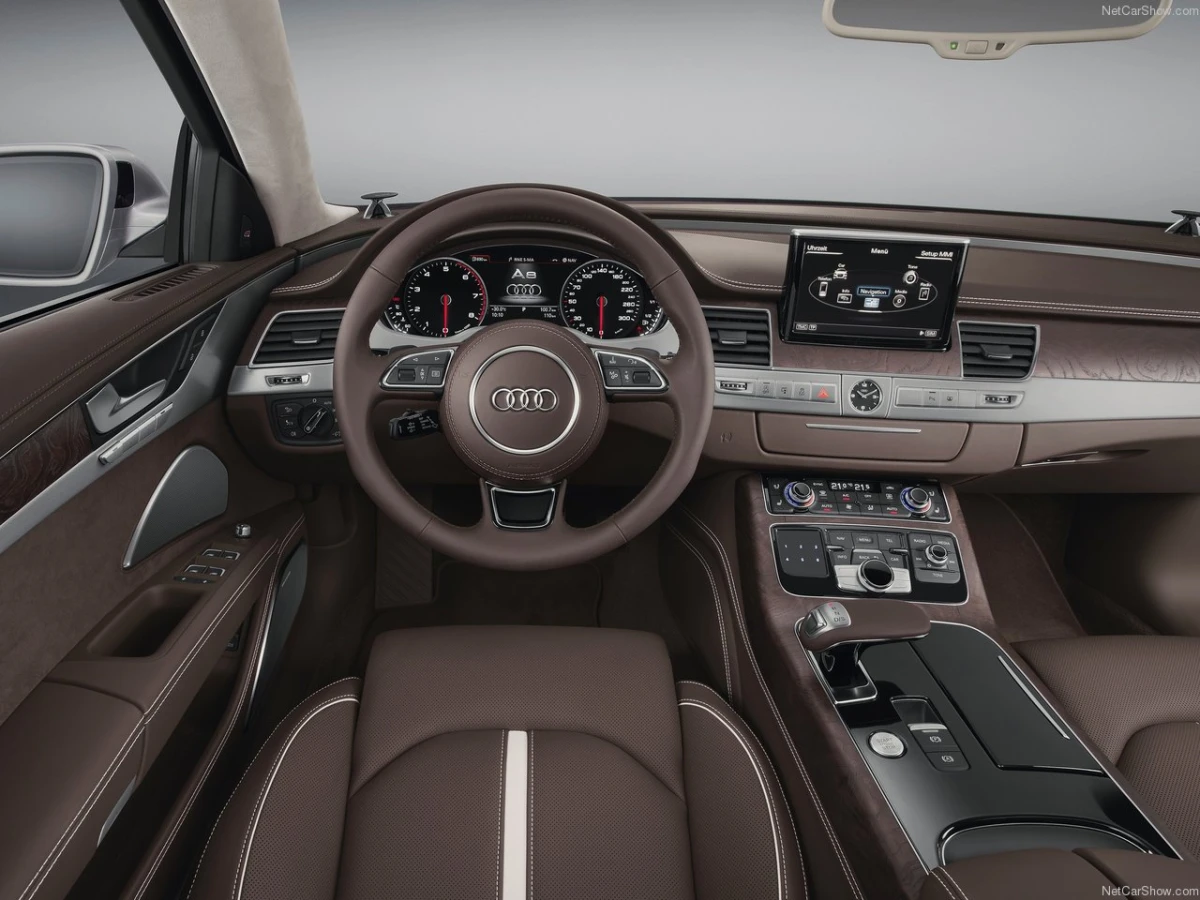



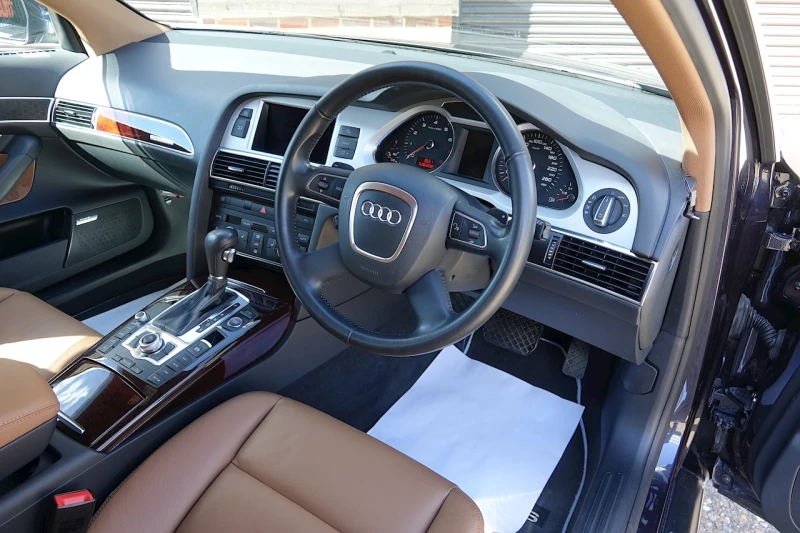
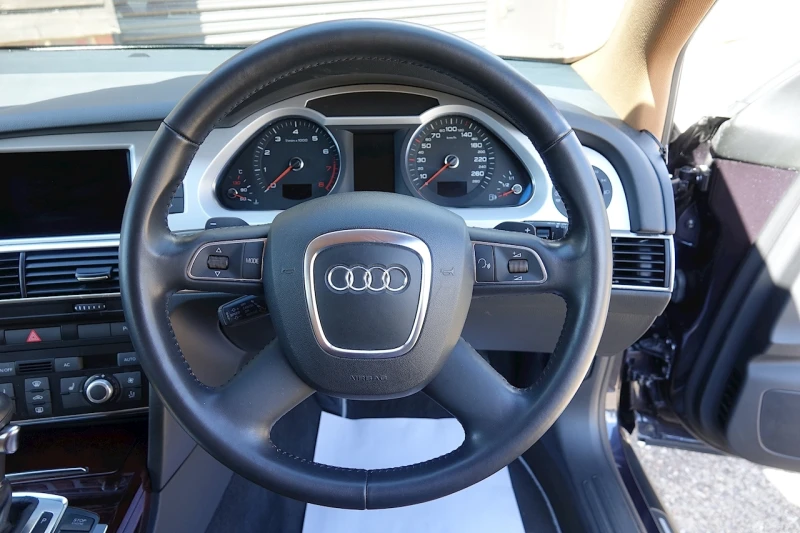
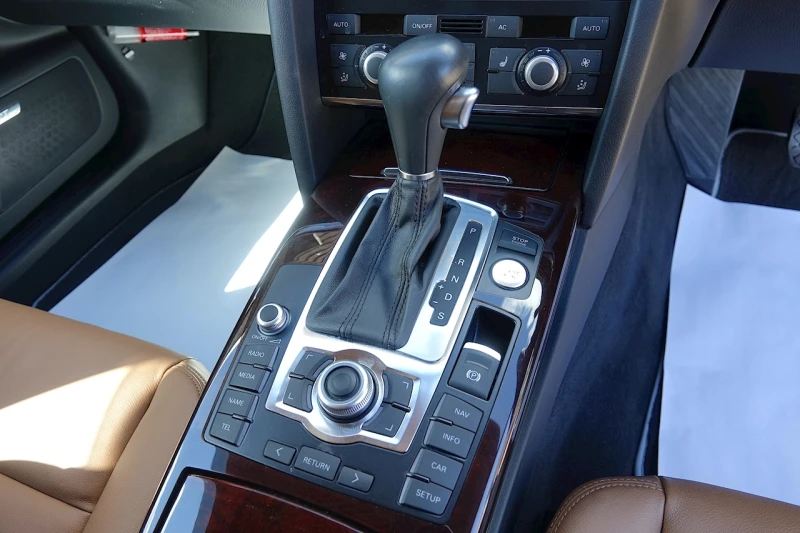
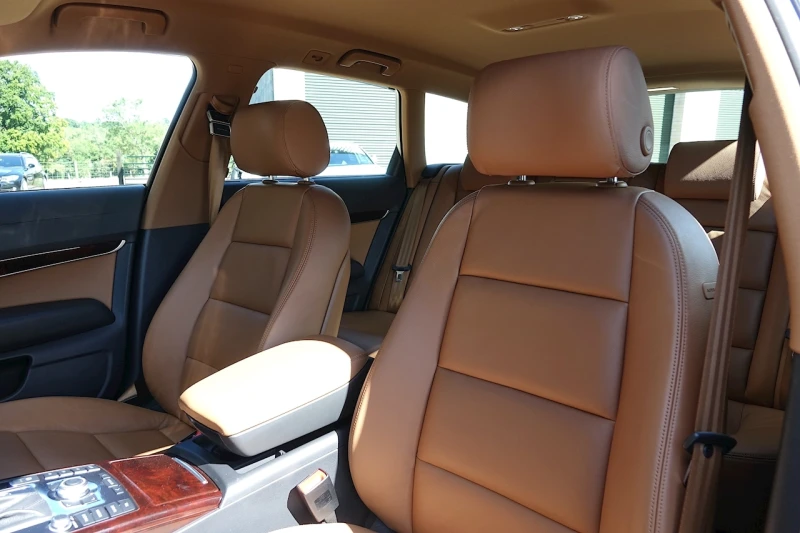
The Audi A6 III interior from the third generation (Typ C6, 2004–2011) remains one of the finest examples of early-2000s executive luxury, blending superb ergonomics, high-quality materials, and driver-focused design. Built for long-distance cruising, the cabin feels perfectly at home on American highways and interstates. Premium touches are everywhere: soft-touch dashboard plastics, available genuine leather or Alcantara seating surfaces, and elegant inlays in wood, brushed aluminum, or carbon fiber (especially in sport packages). The classic instrument panel features analog gauges with signature red backlighting and — in higher trims — a color multi-information display between them. The center console is angled toward the driver and dominated by the innovative MMI system: 6.5-inch color screen operated via a rotary controller and surrounding hard keys for navigation, audio, and climate control.
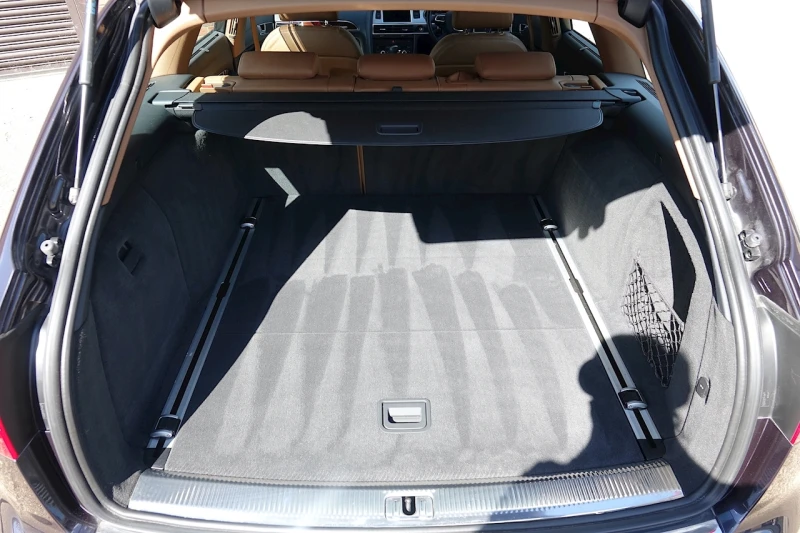
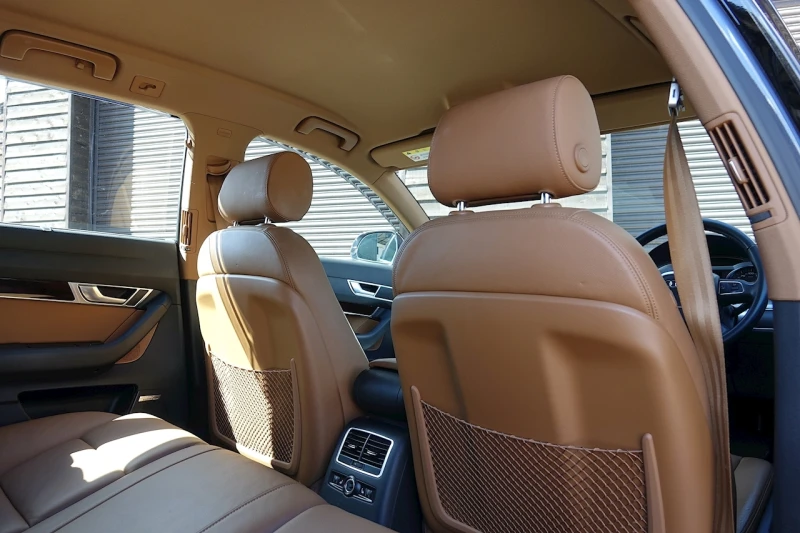
Front seating is outstanding — the driver's seat delivers excellent bolstering, up to 12-way power adjustment, position memory, and optional heating/ventilation. Rear space is generous for the class (112-inch wheelbase), comfortably seating three adults, though the prominent center tunnel slightly compromises the middle position. Audi A6 2004–2011 cabin noise levels are impressively low, especially in post-2008 facelift models. Trunk capacity stands at 546 liters in the sedan and 565–1,660 liters in the Avant with seats folded flat. The 60/40 split-folding rear bench, ski pass-through, and optional power tailgate add everyday practicality. Storage is thoughtful: cooled glovebox, multiple cupholders, and cooled center armrest compartments. In short, the Audi A6 interior still delivers genuine premium comfort ideal for American road-trip culture.
Trim Levels & Key Features
On the current US used-car market, Audi A6 III interiors come in a range of European-sourced and US-spec packages — most commonly Base, Ambition, Ambiente, and S line / Prestige variants. Base models feature cloth upholstery, manual air conditioning, a 10-speaker audio system, manual seat adjustments, and aluminum trim — simple but built to last.
Ambition (sport-oriented) upgrades include sport seats trimmed in cloth/leather, leather multifunction steering wheel, dual-zone automatic climate control, cruise control, and MMI with Bluetooth connectivity. Audio often includes a CD-changer; navigation was optional. Ambiente (comfort-focused) brings full leather upholstery, heated (and often ventilated) front seats, front/rear parking sensors, upgraded sound deadening, and an available panoramic sunroof. Advanced features like blind-spot monitoring and adaptive headlights also appear here.
Top-tier S line and Prestige models showcase Alcantara/leather combinations, sportier interior accents, the premium Bose audio system (14 speakers), full MMI navigation, adaptive cruise control, and ventilated seats. In the US, post-facelift (2009–2011) examples with updated MMI, better insulation, and modernized looks are especially sought after. Approximate used market prices today (2026): basic well-kept examples around $6,000–$9,000; clean higher-trim and low-mileage post-facelift cars typically range from $10,000–$14,000 depending on condition and equipment.
| Trim Level | Key Interior Features | Notable Options |
| Base | Cloth seats, manual A/C, standard audio | Aluminum inlays |
| Ambition | Sport seats, dual-zone climate, multifunction wheel | Cruise, Bluetooth |
| Ambiente | Leather, heated/ventilated seats, parking sensors | Panoramic roof, advanced aids |
| S line / Prestige | Alcantara & leather, Bose audio, full MMI nav | Adaptive cruise, ventilation |
Interior Evolution Within the Generation
The 2008 facelift brought meaningful cabin improvements. Pre-facelift models (2004–2008) feature the original analog gauges, early MMI interface, and slightly firmer materials. While sound insulation was already good, early cars sometimes developed minor trim rattles on rough roads.
Post-2008 versions received a revised instrument cluster with a sharper display, a more intuitive MMI menu structure, fresh upholstery color choices, noticeably better door and wheel-arch insulation, tighter-fitting trim pieces, and available LED ambient lighting. These updates make facelifted examples feel significantly more modern and refined — especially valuable for long American highway drives.
Common Interior Issues & Ownership Notes
Today’s used Audi A6 C6 examples in the US often show typical age-related wear. Light-colored leather can become stained or cracked over time; fabric seats collect dirt and may need periodic deep cleaning. High-mileage cars (150,000+ miles) commonly exhibit worn steering wheels, seat bolsters, center-console scratches, and faded wood trim.
Other frequent complaints include door panel and pillar creaks on rough pavement, tire roar due to moderate wheel-arch insulation, thick rear pillars that limit visibility, and occasional MMI/electronics gremlins. Sun-damaged interiors (fading from UV exposure) and water leaks from clogged sunroof drains leading to damp carpets and mold are also reported. Before purchase, always inspect for accident damage, test all electronics, and check for musty odors or water stains.
Conclusion: How the Cabin Holds Up Today & Best Trim Choice
In 2026 the Audi A6 2004–2011 interior still feels upscale and beautifully crafted, even if it lacks modern touchscreens. Its analog layout, superb ergonomics, and material quality continue to appeal to drivers who value traditional luxury. For most US buyers today, a well-maintained post-facelift Ambiente or Prestige trim with leather, climate control, heated/ventilated seats, and updated MMI offers the best balance of comfort, features, and value (roughly $9,000–$13,000 range depending on mileage and condition).
When shopping, prioritize examples with clean, non-smoker interiors, working electronics, no water damage, and full service history. A thorough pre-purchase inspection is essential. The Audi A6 III cabin remains one of the most satisfying used executive interiors you can buy in its price class.