


The model quickly became a bestseller in the U.S. thanks to its spacious cabin, solid build quality, and thoughtful feature set. This guide focuses on the interior of the Honda CR-V 2017–2022, trim differences, year-to-year changes, and what owners experience on American roads. Exterior design, powertrains, and common issues are covered in other articles in the series.
Materials & Design
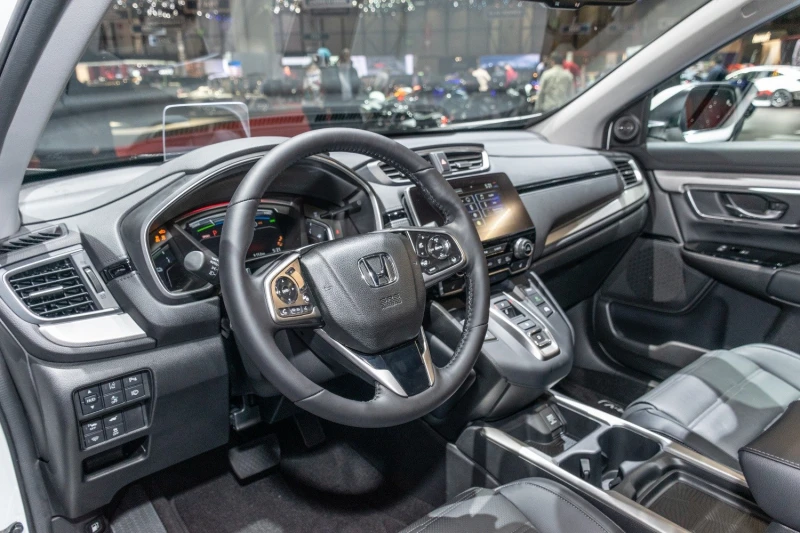
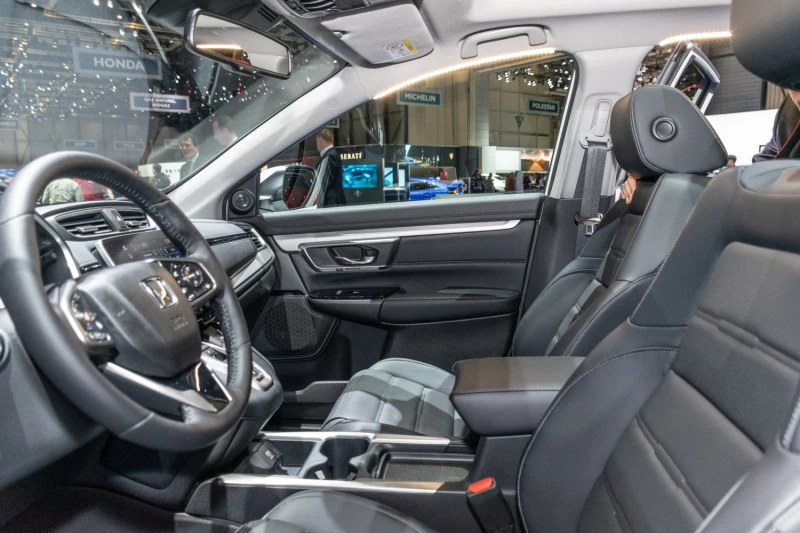
The Honda CR-V 2017–2022 cabin features clean, driver-focused layout with excellent ergonomics. The center stack tilts slightly toward the driver for easy reach to climate controls and infotainment. The instrument cluster is analog with two large dials and a 4.2-inch (7-inch in higher trims) driver information display. The main touchscreen (5, 7 or 9 inches depending on year and trim) sits high in the dash with straightforward menus and standard Apple CarPlay/Android Auto compatibility.
Interior materials vary by trim. Base LX models come with cloth upholstery, hard-touch plastics, and simple textures — yet assembly quality remains tight with minimal rattles. Mid- and top-tier trims (EX, EX-L, Touring) upgrade to soft-touch surfaces, leather-appointed seats and door panels, plus woodgrain or metallic accents. The leather in higher trims feels supple with neat stitching, giving a near-premium atmosphere.
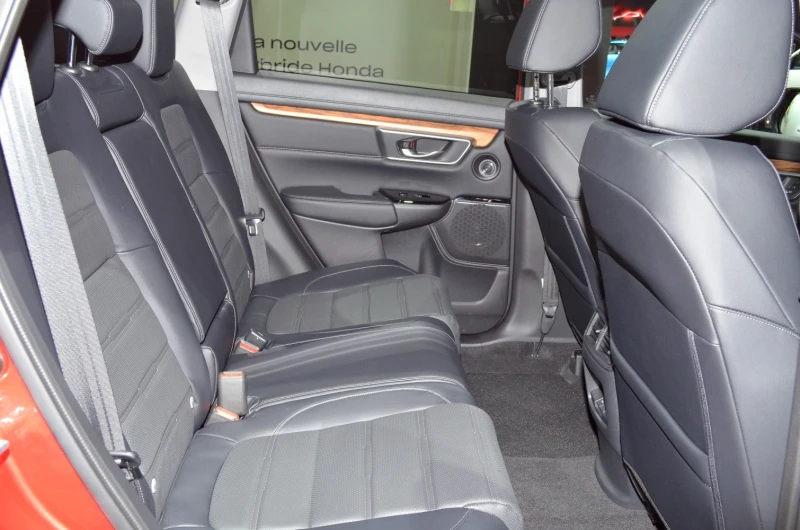
Driver seating position is excellent: supportive front seats with good bolstering, tilt/telescopic steering, and power-adjustable seats in upper trims. Rear passengers enjoy generous legroom and headroom thanks to the 104.7-inch wheelbase — even taller adults (up to ~6'3") fit comfortably. The 60/40-split rear seats recline and fold flat, making long highway trips pleasant. The rear floor tunnel is low, though the center seat remains less comfortable for three adults.
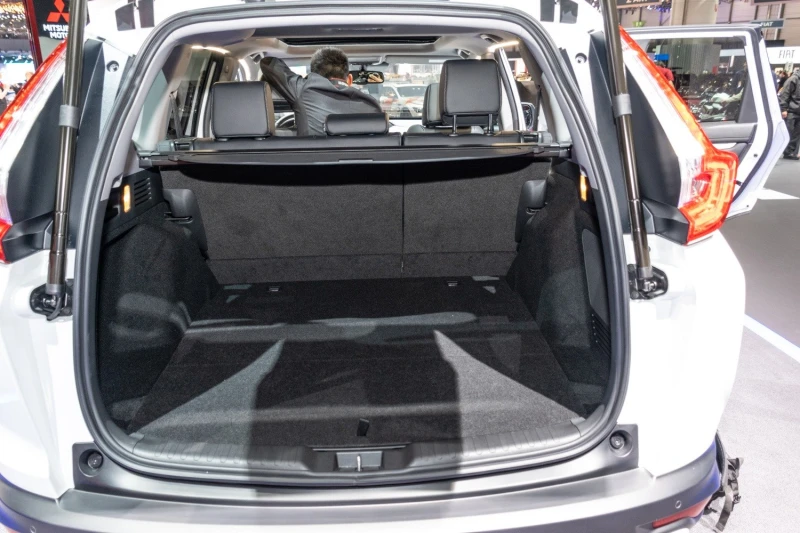
Cargo space is a standout: 39.2 cubic feet behind the rear seats, expanding to 75.8 cubic feet with seats folded. The load floor is flat, with under-floor storage, grocery hooks, and a 12-volt outlet. The compact spare is tucked underneath. Low liftover height and wide opening make loading easy — perfect for family vacations, Costco runs, or weekend gear.
Trim Levels on the U.S. Market
Honda CR-V interior trims offered a logical progression of features tailored to American buyers with strong emphasis on safety and convenience. Key trims included:
- LX (base): cloth seats, manual air conditioning, 5-inch display (4 speakers, USB, Bluetooth), heated front seats, six airbags, tilt/telescopic wheel, 17-inch wheels. Simple, reliable starting point.
- EX (popular comfort trim): dual-zone automatic climate control, heated rear seats (later years), 7-inch touchscreen (Apple CarPlay/Android Auto), rearview camera, adaptive cruise, lane-keeping assist (Honda Sensing), 18-inch wheels, moonroof.
- EX-L (luxury step-up): leather-trimmed seats, heated steering wheel, power tailgate, power-adjustable front seats, premium audio (8 speakers), blind-spot monitoring, parking sensors, remote engine start.
- Touring (range-topper): hands-free power tailgate, ventilated front seats, 9-inch touchscreen (post-refresh), premium Bose audio, roof rails, 19-inch wheels, full digital instrument cluster (7 inches).
On the U.S. market, EX and EX-L AWD models were the sweet spot for most families — offering great all-weather capability and value. Touring appealed to buyers wanting near-luxury touches, while base LX often appeared in fleet or budget-conscious purchases.
Interior Updates by Year
The 2020 facelift brought meaningful cabin improvements that applied across the North American market:
- Infotainment: Pre-facelift (2017–2019) base 5-inch screen felt dated; 7-inch units had basic graphics. Post-2020, 7-inch became standard and Touring received a sharper 9-inch display with faster response, wired + wireless Apple CarPlay, and better navigation rendering.
- Instrument Cluster: Higher trims gained a configurable 7-inch digital gauge display, replacing analog gauges and adding a modern feel.
- Noise Insulation: Extra sound-deadening in engine bay, wheel wells, and doors reduced cabin noise by ~4 dB — very noticeable on highways and rough pavement.
- Materials & Colors: New interior color choices (gray, beige), softer leather in EX-L/Touring, upgraded soft-touch dash surfaces, plus additional chrome/wood accents.
- Convenience Features: Heated steering wheel and ventilated seats expanded availability; wireless charging pad and rear USB ports became standard from 2020.
Facelifted (2020–2022) models feel noticeably more contemporary and refined — the versions most recommended on today’s used market.
Common Questions / Interior Drawbacks
Even with strong overall quality, used 2017–2022 CR-Vs show some typical wear patterns relevant to U.S. owners:
- Material Wear: Cloth seats in LX/EX can show shine or tears by 60–90k miles, especially with kids or heavy use. Light-colored leather (beige/ivory) in EX-L/Touring needs regular conditioning to prevent cracking/staining.
- Road & Wind Noise: Pre-2020 models let in noticeable tire and wind noise above ~75 mph. The facelift helps, but coarse pavement still transmits some harshness.
- Rear Seat Space: Good for most adults, but very tall passengers (>6'3") may brush the headliner in panoramic-roof models. Center rear seat is narrow.
- Visibility: Thick A-pillars create blind spots at intersections. Small rear window is offset by the standard rear camera and available parking sensors.
- Infotainment: Early 5-inch and 7-inch screens can lag during heavy navigation use. The 9-inch unit (2020+) performs much better but is mostly limited to Touring.
- Used Condition Signs: Check for worn steering wheel, shiny center-console buttons, and scuffed door panels — especially in ex-fleet vehicles. Look closely for previous accident repairs.
Seat covers help preserve cloth, and regular leather care keeps premium upholstery looking fresh. Always test highway noise during a pre-purchase drive, especially on pre-facelift examples.
Final Thoughts
In 2025 the Honda CR-V 2017–2022 interior still holds up very well — particularly in refreshed 2020–2022 examples. The cabin delivers space, durability, and comfort that rivals newer compact SUVs in many ways. Early LX models with small screens and cloth feel dated, but EX/EX-L/Touring versions with leather, larger touchscreens, and better soundproofing retain an upscale character.
The best all-around choice for most American buyers is a 2020–2022 EX AWD. It delivers dual-zone climate, heated seats, solid infotainment, full Honda Sensing suite, and all-wheel drive. Approximate market price range today: $18,000–$24,000 depending on mileage and condition.
When shopping used, pay special attention to:
- Cabin condition: Inspect seat bolsters, steering wheel rim, and console plastics for wear.
- Infotainment performance: Check touchscreen responsiveness and CarPlay/Android Auto connectivity.
- Noise levels: Listen for tire/wind/engine sound on the highway.
- Repair history: Look for uneven gaps, overspray, or mismatched trim that may indicate prior bodywork.
The Honda CR-V fifth-gen interior offers generous room, proven reliability, and everyday comfort — making it an excellent pick for families and road-trippers even now.