


Also known as the Hyundai Tucson 2016–2021, this generation was sold in the United States from 2016 through 2021. It quickly gained popularity thanks to its sharp design, solid feature set, and competitive pricing in the compact SUV segment.
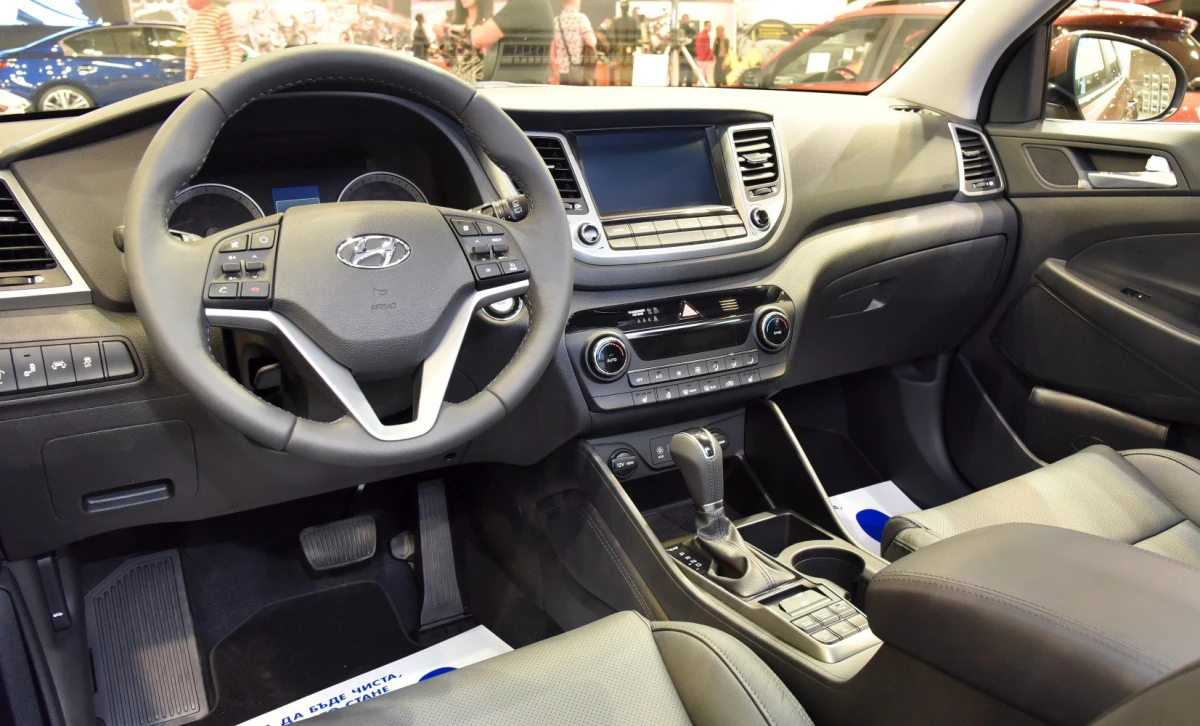
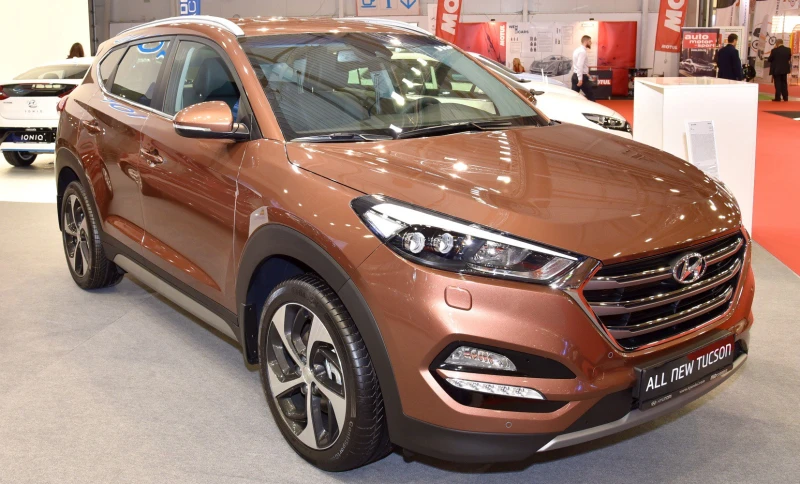
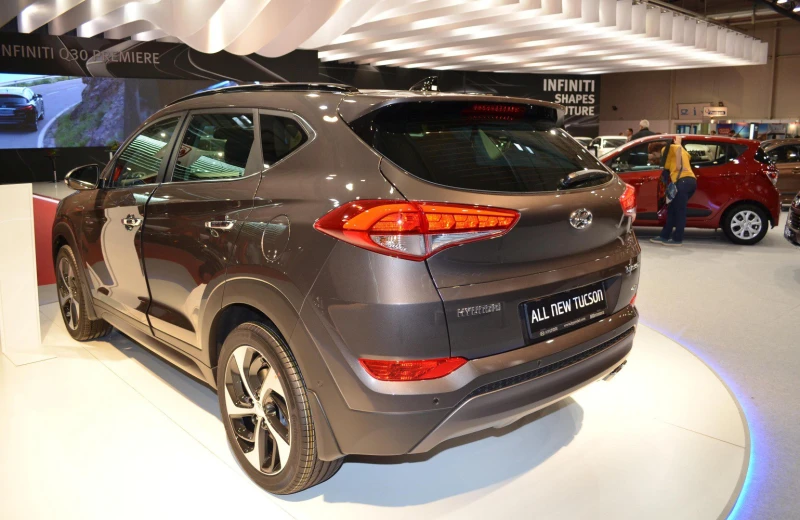
The Hyundai Tucson review highlights that the third generation rides on a new modular Hyundai-Kia platform tailored for compact crossovers. Body rigidity increased by 30% over the previous model, improving both handling and crash safety. Wheelbase grew to 105.1 inches, length to 176.2 inches, width to 72.8 inches, and height to 64.8 inches – delivering noticeably more interior space and better stability. The exterior follows the "Fluidic Sculpture 2.0" design language: signature hexagonal grille, sleek headlights, flowing body lines, and muscular wheel arches. Drag coefficient of 0.33 helps fuel efficiency. The cabin features quality materials – soft-touch plastics, available leather upholstery on higher trims, and an ergonomic dashboard with 5- or 8-inch infotainment touchscreen.
Powertrain lineup includes the 2.0L Nu MPI (164 hp) and 1.6L Turbo GDI (175 hp) gasoline engines, plus the 2.0L CRDi diesel in some markets (not widely available in the U.S.). Transmissions are 6-speed manual, 6-speed automatic, or 7-speed dual-clutch (DCT). HTRAC all-wheel drive was optional on most trims. Fuel economy ranges from about 23–28 mpg combined depending on engine and drivetrain. Safety is strong: six airbags, ABS, ESC, blind-spot monitoring, and lane-keeping assist available on higher trims.
What’s New Compared to the Previous Generation
Compared to the second generation (2009–2015), the Hyundai Tucson III received a major overhaul. Styling became sharper and more aggressive with crisp lines, a bold grille, and available LED lighting. The new platform increased passenger and cargo space (cargo volume 31–61.9 cu ft), while lowering the center of gravity for better handling.
Technology took a big step forward: infotainment supported Apple CarPlay and Android Auto, dual-zone climate control became available, and higher trims added heated/ventilated seats. The engine lineup modernized with the efficient turbo 1.6L and smoother transmissions. The DCT offered better efficiency than traditional automatics, and HTRAC AWD provided more precise torque distribution.
Safety improved dramatically – earning 5-star NHTSA ratings thanks to available forward collision warning, automatic emergency braking, and blind-spot detection. Ride comfort also advanced: the suspension (MacPherson struts front, multi-link rear) handles road imperfections better, and cabin noise levels dropped noticeably.
U.S. Market
In the American used market, the Hyundai Tucson III remains a strong contender in the compact crossover segment. According to recent listings on major platforms (Craigslist, Autotrader, Cars.com, as of late 2025), there are thousands of 2016–2021 Tucson models available nationwide. Approximate market prices for clean examples range from $9,000 to $18,000, depending on mileage, condition, trim, and location. Early 2016–2017 models with 120,000–180,000 miles typically fall in the $9,000–$12,000 range, while low-mileage 2019–2021 facelifted examples often sell for $14,000–$18,000.
Approximate market price for the United States. The most sought-after versions are AWD models with the 1.6L turbo or 2.0L naturally aspirated engine paired with the automatic transmission in mid- and upper-level trims (Sport, Value, Limited) due to their balance of features, efficiency (24–28 mpg combined), and all-weather capability. The 2018 facelift, which brought a revised grille, upgraded infotainment, and more standard safety tech, commands a noticeable premium.
Main Trims Available in the U.S. Market
The Hyundai Tucson III was offered in several trims tailored to American buyers. Key versions included:
- SE (base): 2.0L engine, 6-speed automatic, front-wheel drive, air conditioning, 5-inch touchscreen audio, six airbags, cloth seats, 17-inch wheels.
- Eco / Value: added features like blind-spot monitoring (later models), rearview camera, heated seats, 17-inch alloys, cruise control.
- Sport / SEL: 8-inch touchscreen with Apple CarPlay/Android Auto, keyless entry, push-button start, leather-wrapped steering wheel, blind-spot warning, lane-keeping assist.
- Limited / Ultimate: 1.6L turbo engine, DCT transmission, available AWD, panoramic sunroof, ventilated seats, adaptive cruise control, 19-inch wheels, premium audio, leather upholstery.
In the U.S., gasoline models dominated (especially the 2.0L and turbo 1.6L), with AWD being very popular in northern and mountainous regions. Top trims with the turbo engine and full safety suite were less common but highly regarded.
Final Verdict
The Hyundai Tucson III is a well-rounded compact crossover that suits American families, city commuters, and weekend adventurers alike. Spacious seating for five, generous cargo room, available AWD, and solid fuel economy make it practical for daily driving, road trips, and light off-road use. Efficient engines and strong safety scores appeal to value-conscious buyers.
Why consider a 2016–2021 Hyundai Tucson? It offers one of the best price-to-feature ratios in the used compact SUV class. The used market is full of choices across different budgets and regions. Reliability is generally good when properly maintained – both engines and transmissions have solid track records.
Things to watch for when buying: Check service history carefully (especially on higher-mileage examples), verify no major accidents, and have a pre-purchase inspection. AWD models should have the HTRAC coupling and transfer case checked. Facelifted 2018–2021 models are usually the smarter pick thanks to updated styling, tech, and safety equipment.
Overall, the Hyundai Tucson III remains a stylish, dependable, and practical used crossover with excellent value on the American market.