


The prospect of traveling by air promises to shorten trip times and reduce reliance on road infrastructure. In recent years, major automakers have also entered the race to develop such solutions. In practice, however, these projects face significant technical and economic challenges. One of the clearest examples is Hyundai’s initiative and its subsidiary, Supernal.
An Ambitious Air Transportation Project
Several years ago, Hyundai announced plans to develop a new urban air mobility business. Supernal was established in 2020 to create compact aircraft capable of carrying passengers over short distances.
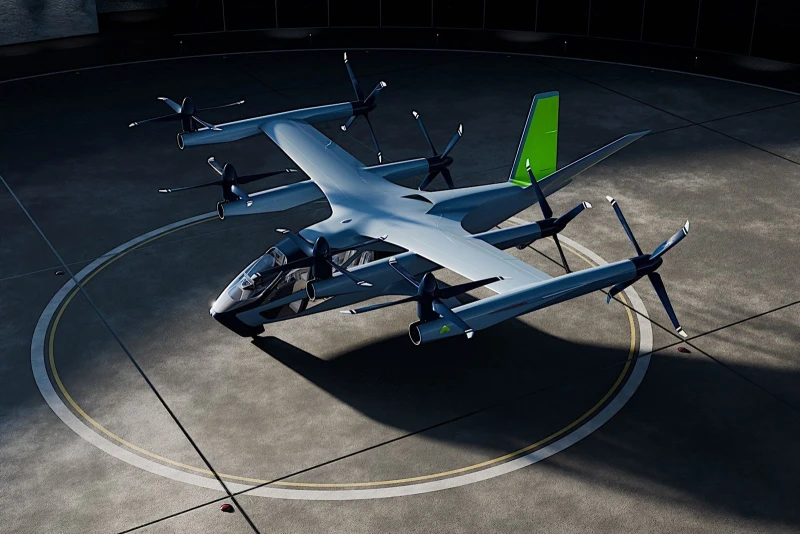
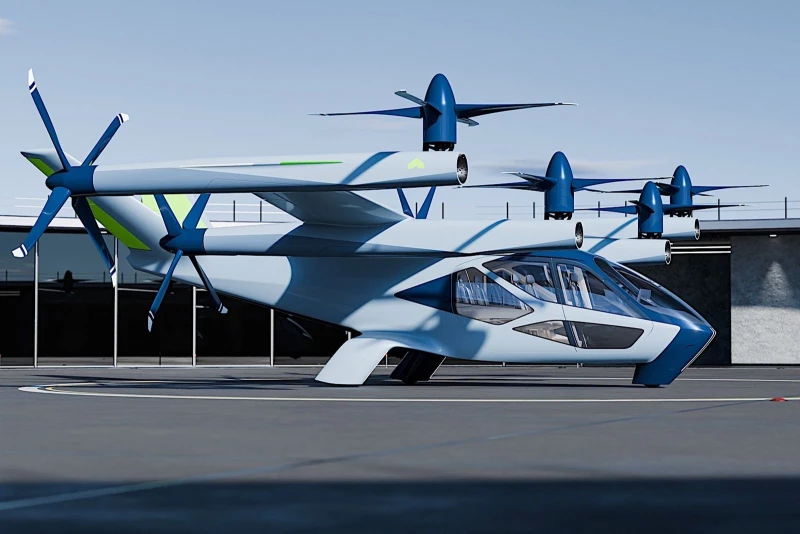
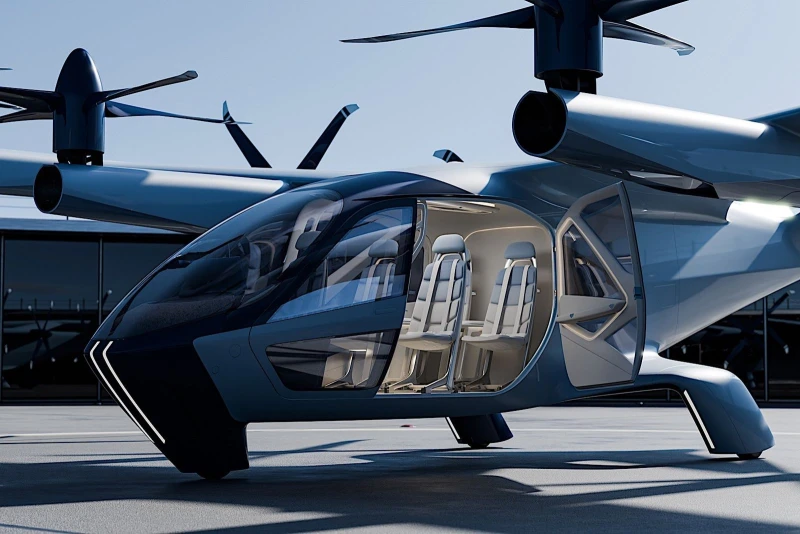
These aircraft were expected to take off and land vertically like helicopters while being simpler, quieter, and less expensive to operate. The central idea was to develop electric aircraft for urban transportation—essentially, air taxis.
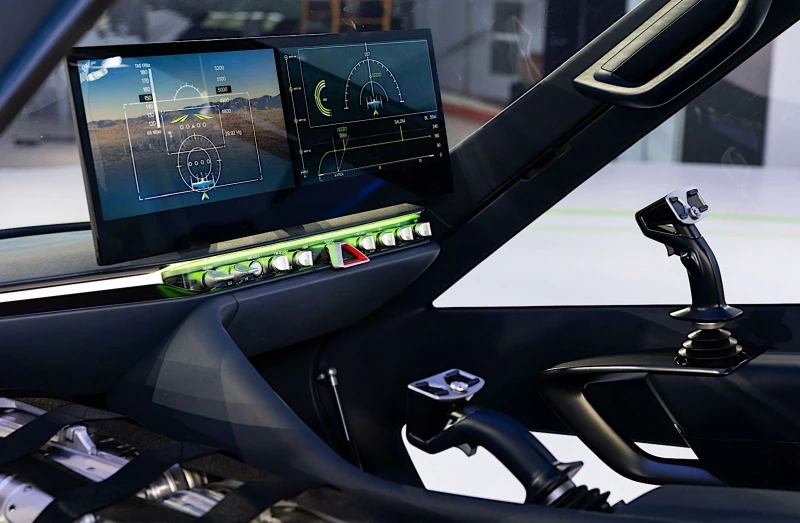
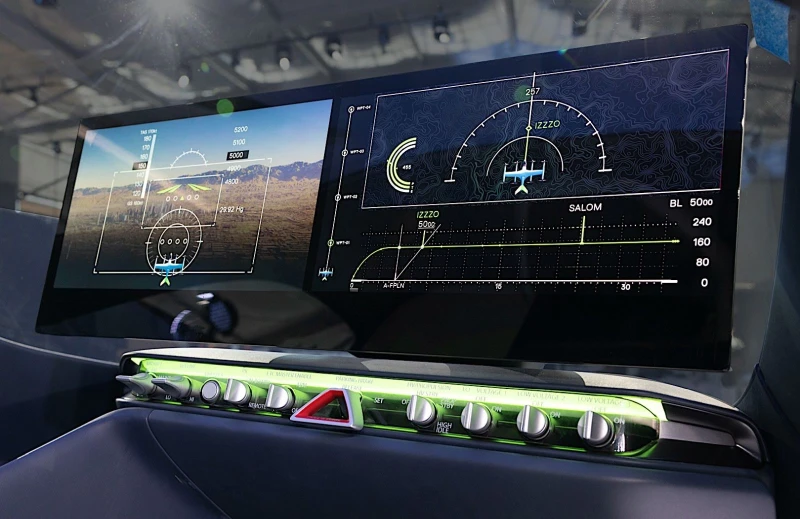
Several concepts were unveiled as part of the project. The S-A1 appeared first, followed by the improved S-A2. The latter was envisioned as a four-seat aircraft designed for flights of up to approximately 62 miles (100 kilometers).
Investment and Production Preparations
The project was backed by major investments. Hyundai invested about $1.7 billion in its development, while preparations also began in the United States for infrastructure to support future aircraft production.
The company expected this new form of transportation to eventually establish a role in urban travel, particularly in cities with heavily congested roads. Air routes were projected to significantly reduce travel times between different parts of a city.
Challenges and Workforce Reductions
However, the project proved more difficult to advance than expected. After the initial stages of testing and production preparation, development began to slow. Last summer, the company announced its first round of job cuts.
Additional cost-cutting measures followed. According to reports in the U.S. media, the company laid off roughly 296 more employees, representing about 80 % of its remaining workforce. These steps indicate a significant revision of the project’s development plans.
The company has not officially announced the program’s complete closure. However, the workforce reductions and strategy review suggest that the project is undergoing a major restructuring.
An Attempt to Change Course
Under the new strategy, development costs are expected to be reduced and working methods reassessed. Some processes are planned to be automated using artificial intelligence systems, while a much smaller team of specialists will continue working on the project.
These changes may signal a shift toward a more cautious development model in which further research continues with lower spending.
Conclusion
Supernal’s experience illustrates how difficult it remains to develop air transportation for widespread use. Despite major investments and interest from automakers, technical, infrastructure, and economic factors continue to complicate such projects. Hyundai’s workforce reductions and strategy review indicate that flying-car development may require substantially more time and resources than initially anticipated.