


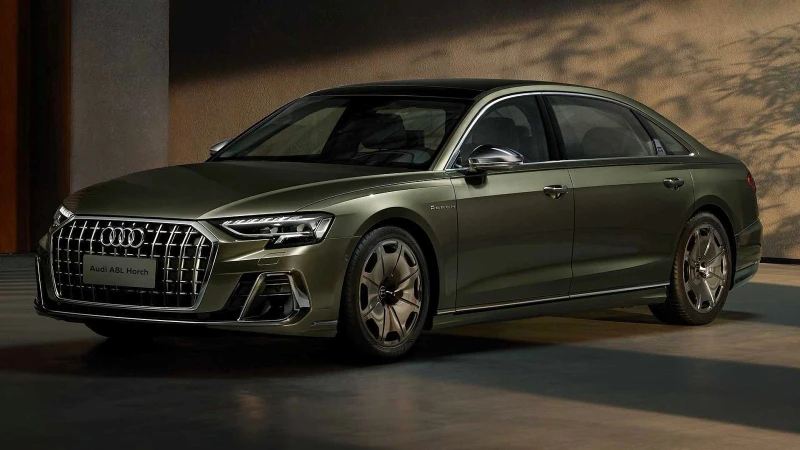
Flagship models do more than showcase an automaker's technical capabilities; they also shape the image of the entire brand. In recent years, the A8 luxury sedan has served that role for Audi. However, the model has unexpectedly disappeared from the brand's configurator in several European countries, and there is still no information about a new generation. The situation raises questions about the car's future and Audi's strategy in the luxury-sedan segment.
The A8's Role in the Audi Lineup
Since its debut in the mid-1990s, the Audi A8 has been regarded as the brand's technological flagship. Many features that later reached other Audi vehicles first appeared on this model, including new electronic control systems, modern powertrains, and innovative materials.
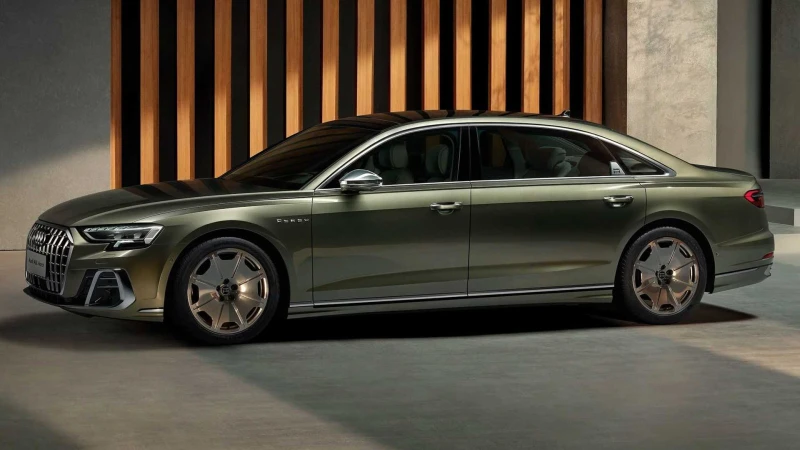
The luxury sedan also played an important role in Audi's competition with other German automakers. In this segment, Audi has traditionally competed with models such as the BMW 7 Series and Mercedes-Benz S-Class. Despite their relatively low sales volumes, these vehicles play an important part in shaping a brand's reputation.
A Gradually Shrinking Model Lineup
In recent years, Audi has already discontinued several models that were once considered important to the brand's image. The TT sports coupe and R8 supercar have disappeared from the lineup, while the number of unconventional engines and specialized variants has also declined.
Audi previously offered a broad selection of powertrains, including large gasoline engines and rare configurations. Many of them were eventually discontinued. The structure of the model range also changed, with some sports cars and niche vehicles giving way to more versatile models.
The A8 Disappears From European Markets
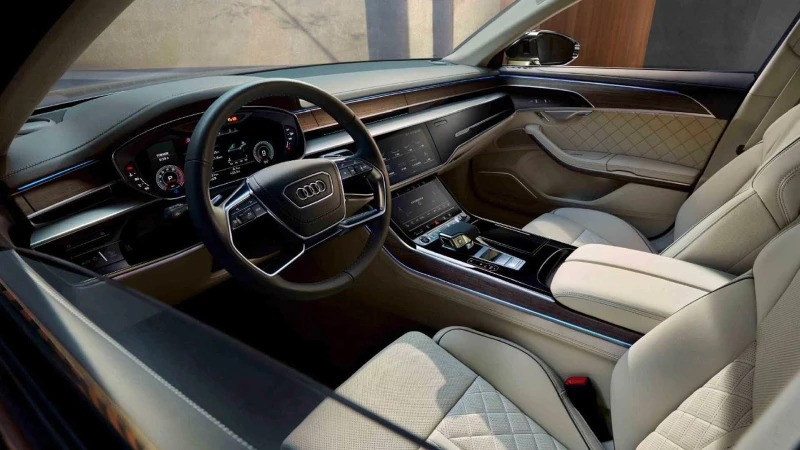
The A8 sedan remained a key model at the top of Audi's lineup for many years. Recently, however, the car was quietly removed from online configurators in several European markets. This first happened in the Netherlands, where the change may have been related to the country's tax system.
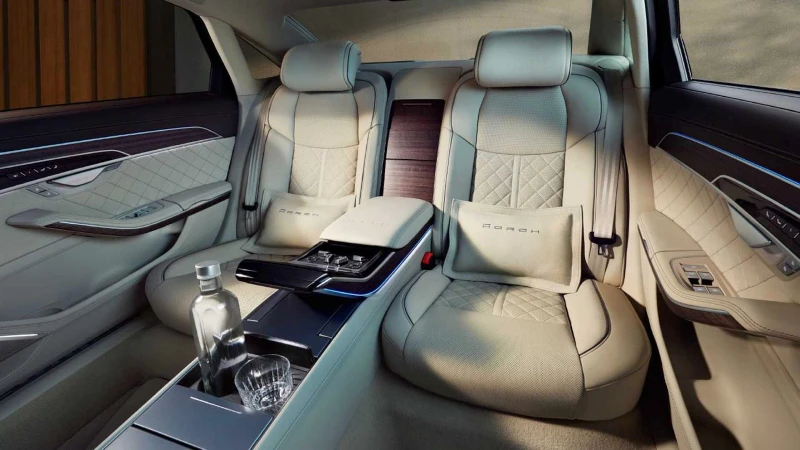
The same situation later emerged in Germany, Audi's home market. The model is no longer available to order through the official configurators, although production formally continues. This means sales are effectively ending without an official announcement that the model has reached the end of its life cycle.
No Successor Announced
The end of sales for a major model is usually accompanied by preparations for a new generation. In the case of the Audi A8, however, no such information has emerged. The company has not presented a prototype or announced an official development plan for the next version of the car.
Brand representatives have limited their comments to cautious statements that the model could return to the lineup in the future. No specific timeline or technical details have been disclosed.
Why Flagship Models Matter
In the auto industry, flagship vehicles often serve as technology showcases. Even with relatively low sales volumes, they demonstrate an automaker's engineering capabilities and influence how the brand is perceived overall.
These models also tend to introduce innovations that later appear in more affordable vehicles. Their presence in a lineup is therefore often viewed as an important part of an automaker's long-term strategy.
Conclusion
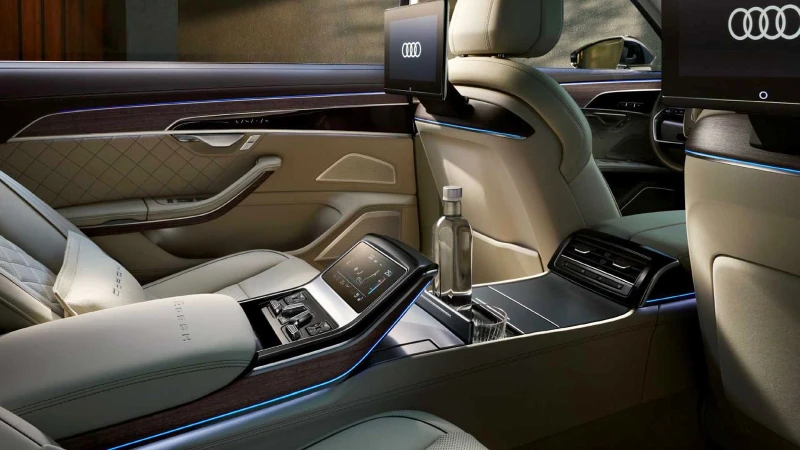
The situation surrounding the Audi A8 shows that the luxury-sedan market is undergoing a period of change. The model's removal from several European configurators, without an announced new generation, creates uncertainty about the future of Audi's flagship. The coming years will show whether the brand retains a presence in this segment or shifts its focus to other areas.