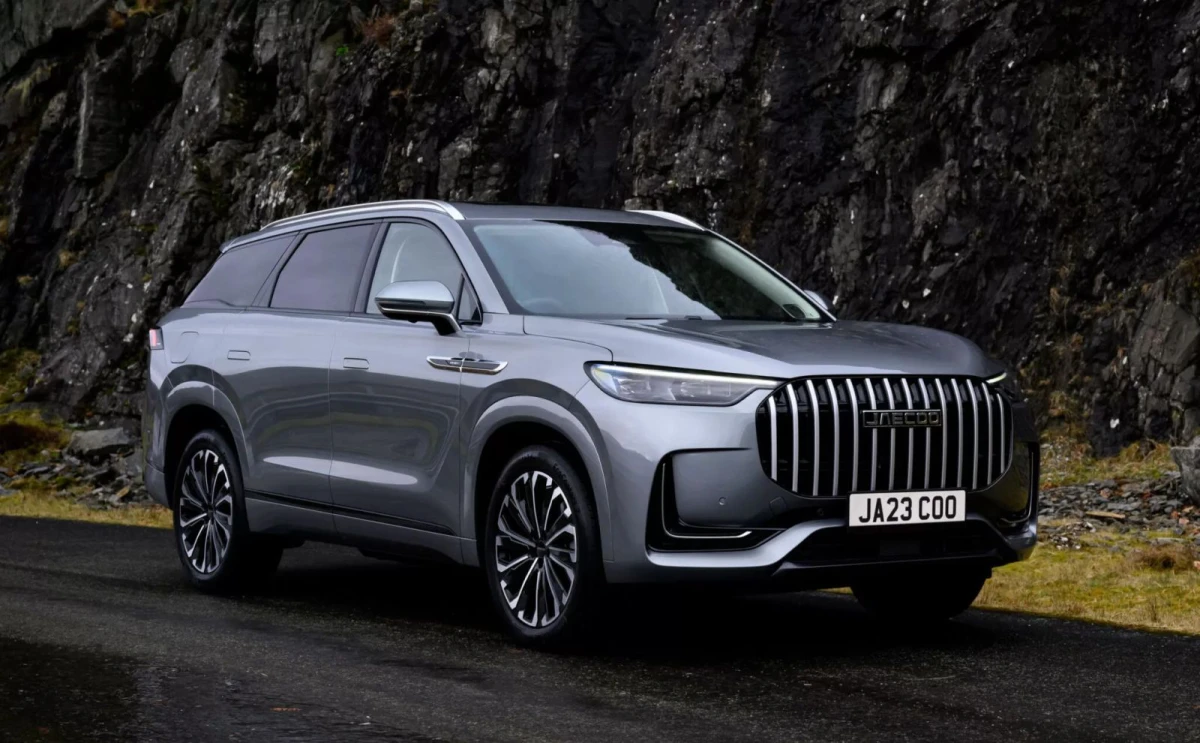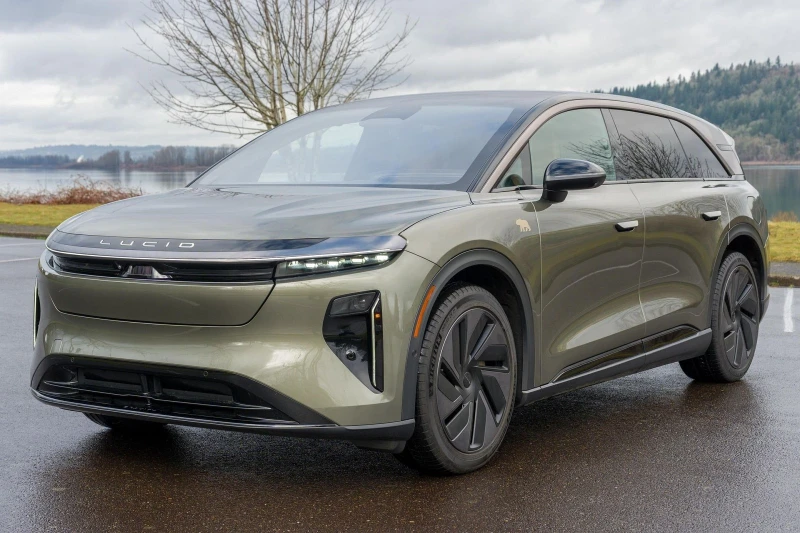
In practice, however, their overall cost-effectiveness raises questions. One of the main concerns is rapid depreciation, which can outweigh the potential savings on fuel. Here is how that plays out in real-world examples and why some owners are willing to sell their EVs shortly after purchase.
Depreciation Differences: Gas Versus Electric
When comparing vehicle ownership costs, it is important to consider not only fuel expenses but also the decline in market value. For vehicles with internal combustion engines, depreciation usually occurs gradually. For example, a car priced at about $26,000 may lose roughly $6,000 after several years of use while retaining a significant share of its original value.
Even when fuel prices rise sharply, gasoline expenses remain relatively predictable. At about 6,200 miles (10,000 kilometers) per year and fuel economy of roughly 23.5 mpg US (10 liters per 100 kilometers), annual fuel costs could reach approximately $2,500–$3,000 even with high gasoline prices.
EVs and Sharp Declines in Value
The situation is different for electric vehicles. Despite lower energy costs, their used-market values can fall considerably faster. A model purchased for about $54,000 may be worth around $20,000 several years later. That leaves the owner with a loss of more than $30,000, far exceeding the potential savings on operating costs.
Several factors contribute to this trend:
- rapid technological advances and the arrival of newer models;
- declining battery and new-vehicle prices;
- limited demand on the used market;
- uncertainty about battery life.
A Real-World Example of a Quick Sale
One notable case involved a nearly new electric vehicle that was sold only a few months after purchase. The vehicle had about 3,500 miles (5,600 kilometers) and originally cost approximately $142,000, but attracted a bid of only around $96,000 at auction. The owner lost more than $46,000 in a short period.
Despite the substantial drop in value, the seller accepted the deal. The reason was the expectation of further depreciation: additional mileage and time could have made the loss even greater.

Ownership Economics: Key Takeaways
The financial equation of vehicle ownership includes several components, with depreciation playing a major role. For electric vehicles, a rapid decline in value can erase the advantages of lower operating costs.
Owners are increasingly considering this factor when deciding whether to buy or sell. Until the used-EV market demonstrates greater price stability, the risk of significant financial losses remains high.
Conclusion
The main takeaway is that evaluating a vehicle's financial viability requires looking beyond operating costs to consider how its market value changes over time. Under current market conditions, electric vehicles can depreciate more quickly, directly affecting an owner's total expenses.