Workers are concerned that automation will gradually reduce the number of jobs, while management views new technologies as a way to increase productivity and lower costs.
A New Phase of Automation
Industrial robots have been used in automotive plants for several decades. They typically perform narrowly defined tasks, such as welding vehicle bodies, painting, moving parts, or installing individual components. However, many jobs that require flexibility and the ability to adapt to constantly changing conditions are still performed by people.
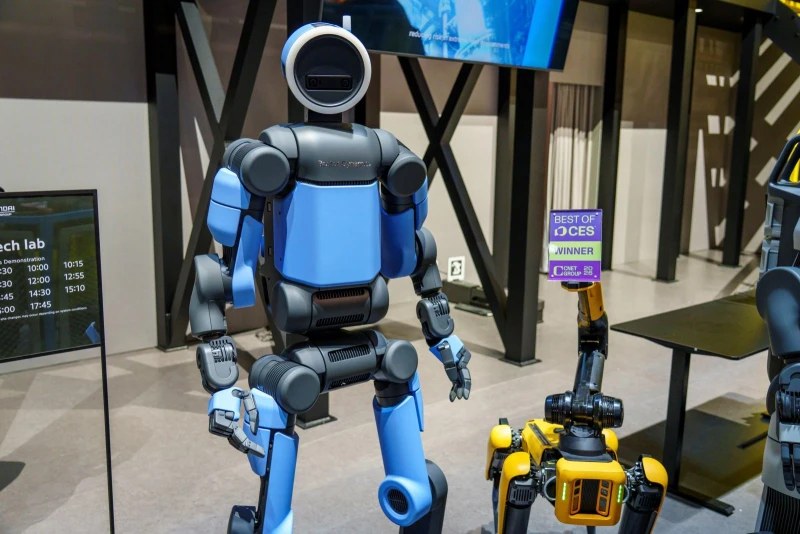
Humanoid machines capable of moving through a conventional factory, using tools, and learning different production processes could change that. Hyundai is developing this technology through Boston Dynamics, an 80% stake in which the automaker acquired in 2020.
What the Atlas Robot Can Do
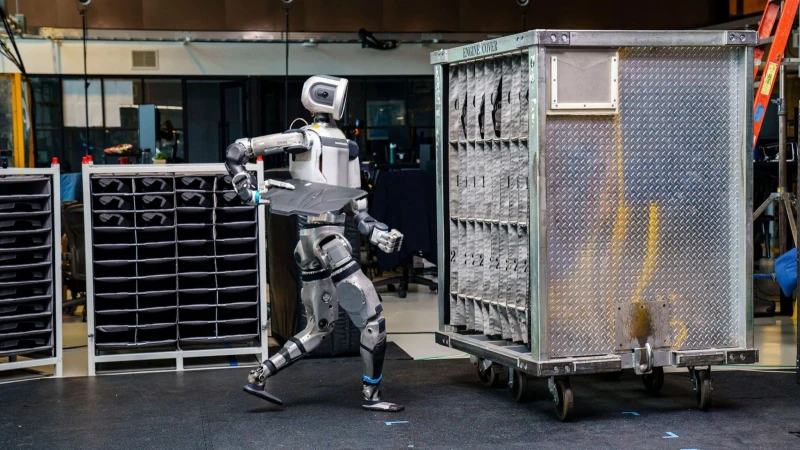
One of Boston Dynamics' key projects is the electric Atlas robot. It is being developed to perform physical tasks alongside people and industrial equipment. The machine can lift loads weighing up to 110 pounds (50 kg) and place them at heights of up to 7.5 feet (2.3 meters).
According to available estimates, Atlas can operate for up to 16 hours per day, completing a workload comparable to two shifts. Costs include purchasing the equipment, maintenance, and software support. Annual maintenance expenses for one robot are estimated at approximately €8,000.
Hyundai's Plans
The company intends to produce up to 30,000 robots annually. The first large-scale deployment is expected in 2028 at Hyundai's facility in the U.S. state of Georgia. Initially, the machines will sort and move components, with plans to introduce them into assembly operations around 2030.
Over the longer term, Hyundai is considering factories with continuous production cycles, where automated equipment handles most of the physical work while people monitor processes, maintain systems, and respond to unexpected situations.
Union Demands
Workers are demanding that the deployment of new robots be coordinated with the union. Discussions also include wage increases, larger bonuses, and employee participation in profit sharing. As part of the strike, employees are temporarily reducing the length of their shifts.
Hyundai management says production stoppages cause financial losses and delivery delays. The company also emphasizes that time spent participating in the strike is unpaid.
Automotive Automation Will Continue
South Korea already ranks among the world leaders in industrial automation, with more than 1,000 robots for every 10,000 workers, compared with a global average of about 160. The dispute between Hyundai and the union shows that the continued adoption of humanoid machines will require not only technical solutions but also new approaches to employment, retraining, and the division of responsibilities between people and automated systems.