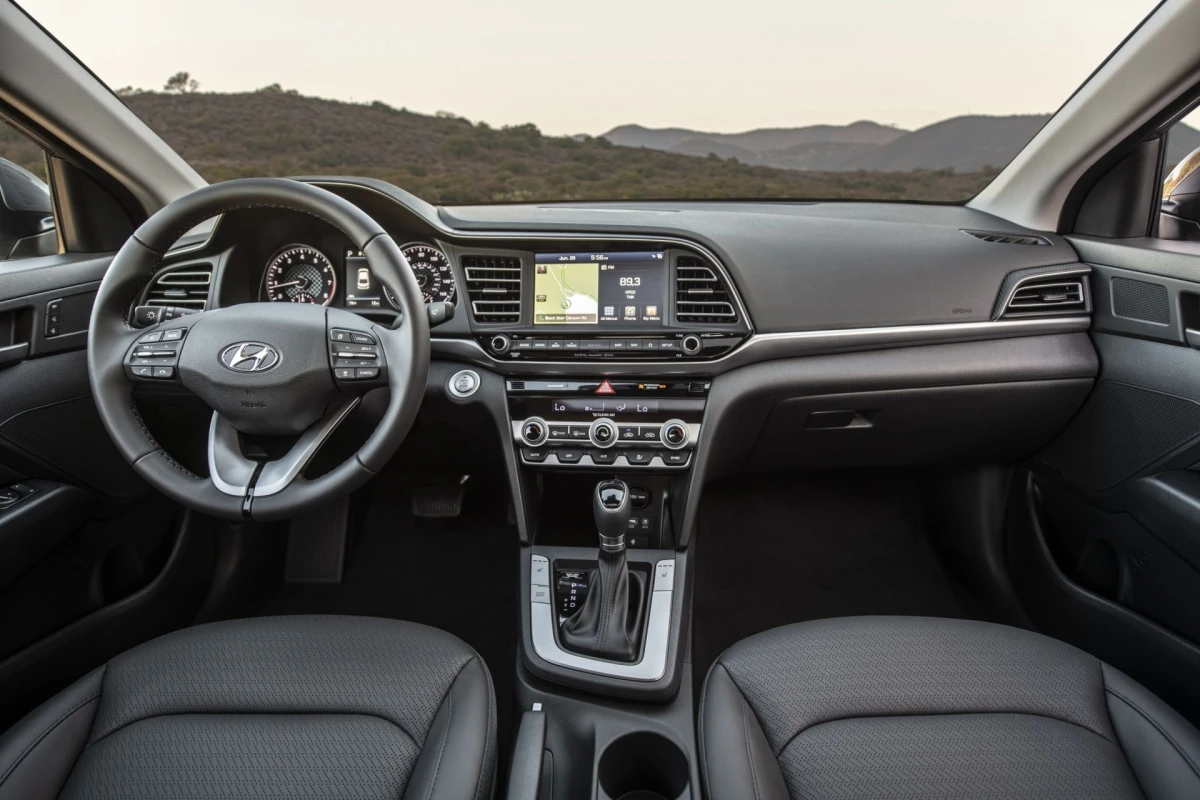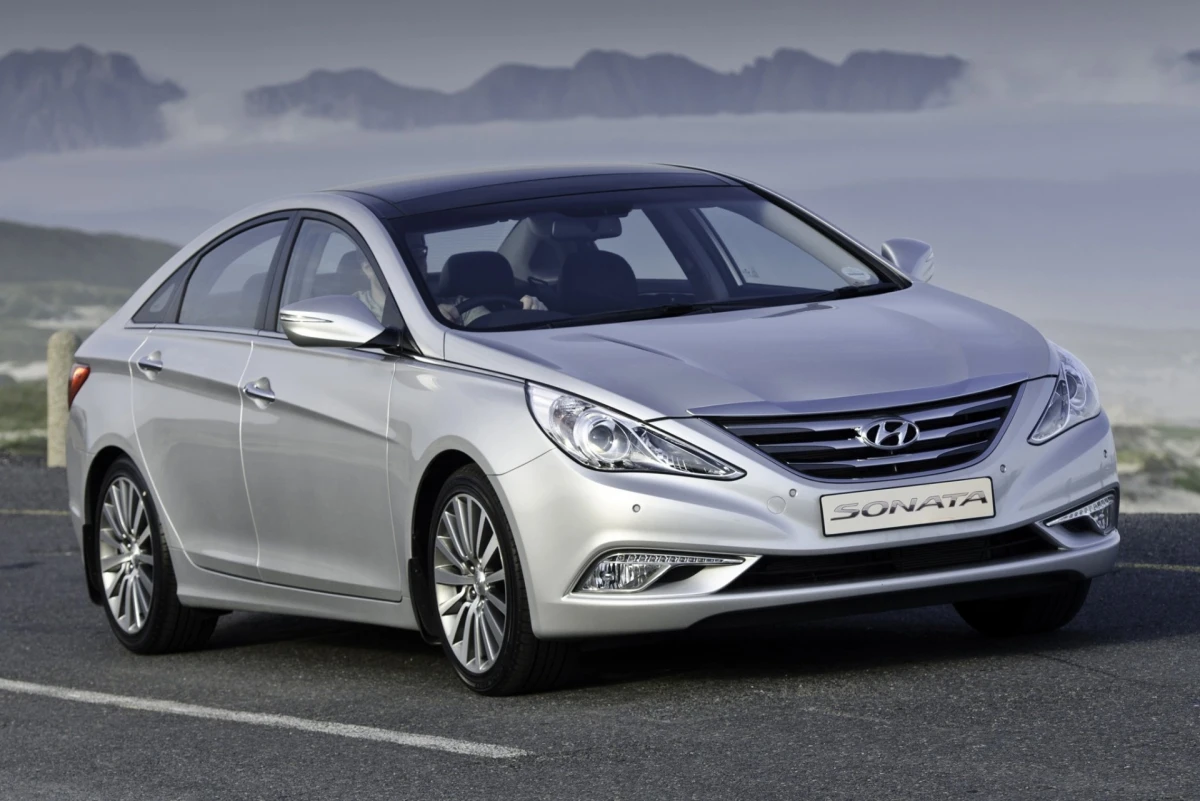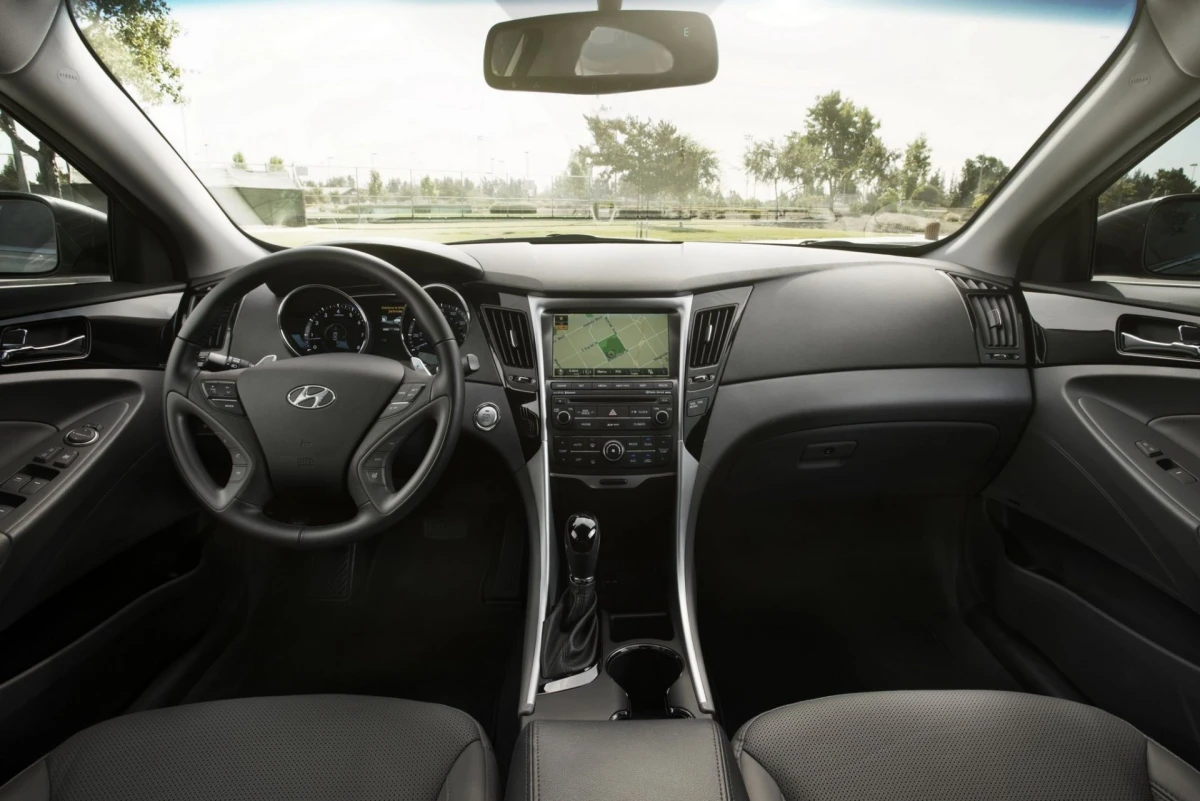



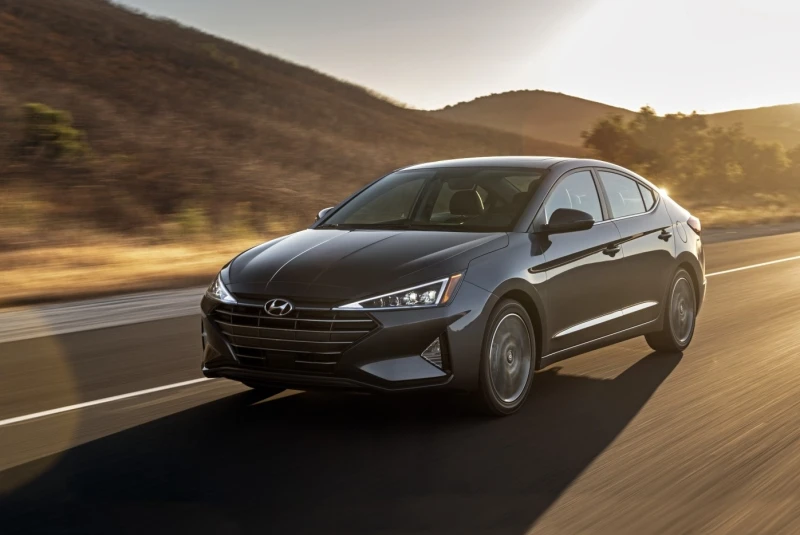
This generation is now considered complete, as production ended in 2020 with the transition to the next model. Sales in the U.S. began with the 2016 model year, with the car offered as the Elantra (or occasionally under different naming in select regions). It arrived on the American market emphasizing imports primarily from South Korea. The Hyundai Elantra VI was built on the Hyundai-Kia J5 platform, which delivered a stiffer body structure and sharper handling than previous generations. Positioned as an affordable compact sedan in the C-segment, it targeted daily commuting in urban environments and highway driving. Design highlights included cleaner, more conservative lines with a hexagonal grille, pentagonal headlights, and a fastback-like silhouette—moving away from the earlier "fluidic sculpture" look. The technical package featured modern engines with direct injection options, available dual-clutch transmissions, and a comprehensive suite of safety features including ABS, ESC, and multiple airbags.
Compared to the previous fifth-generation Elantra (MD/UD, 2010–2015), the sixth generation introduced substantial upgrades. The flowing curves of "fluidic sculpture" gave way to straighter, more angular styling. The body grew longer (approximately 179–181 inches vs. 178 inches), wider (70.9 inches vs. 69.9 inches), with a 106.3-inch wheelbase for better stability. The updated J5 platform improved rigidity while reducing weight, boosting both dynamics and fuel economy. New powertrains arrived, such as the 1.4L turbo (around 128 hp) with 7-speed DCT in some trims, the 1.6L turbo (up to 201 hp) in the Sport model, and the 2.0L Nu MPI (147–149 hp) paired with a 6-speed automatic or later Intelligent Variable Transmission (CVT-like). Cabin refinement improved with better sound insulation, more spacious rear seating, and features like heated seats and touchscreen infotainment. Safety took a big step forward, especially after the 2018 facelift, with forward collision avoidance, lane keeping assist, and driver attention warning—helping earn strong IIHS Top Safety Pick+ ratings and 5-star NHTSA scores in many configurations. These enhancements made the Elantra a stronger competitor focused on value, efficiency, and dependability.
As a discontinued generation, the final Hyundai Elantra VI lineup solidified after the 2018 facelift. Trim levels included SE, Value Edition, SEL, Limited, and Sport, with the 2.0L Nu MPI (147–149 hp) paired with 6-speed automatic or IVT as the mainstay, a 1.4L turbo ECO option, and the 1.6L turbo Sport model (201 hp). Diesel variants (1.6L CRDi) existed in some international markets but were not offered in the U.S. Key milestones: debut as a 2016 model in 2015, Sport trim introduction in 2017, and the 2018–2020 facelift that refreshed the front end (triangular headlights, revised grille), interior (updated HVAC, available Qi wireless charging), and added more driver-assist tech. On the used market, the 2.0L Nu MPI versions strike the best balance of power and reliability, while the Sport appeals to those wanting more performance (though DCT units need regular maintenance). ECO models with the 1.4L turbo are prized for excellent fuel economy (up to 41 mpg highway).
The used market for the Hyundai Elantra VI remains very active in the United States. Thousands of examples are available nationwide, mostly low-mileage imports or domestic units. No new vehicles exist since production ended, but well-maintained late-model used examples continue to circulate. The market is stable: 2015–2020 models typically show 60,000–130,000 miles and remain in good condition with proper maintenance. Approximate price range: from about $7,000 for high-mileage base models to $15,000+ for low-mileage top trims in excellent condition—depending on year, mileage, trim, and equipment (prices as of current market data). The most popular versions are sedans with the 2.0L MPI engine and automatic transmission, offering a great mix of efficiency and reliability. Gas versions dominate, with occasional CNG or flex-fuel configurations in select regions.
| Trim Level | Approximate Market Price Range (USD) |
| Base (SE) | $7,000–$10,000 |
| Comfort (SEL) | $9,000–$12,000 |
| Premium (Limited) | $10,000–$13,500 |
| Top (Sport) | $11,000–$15,000 |
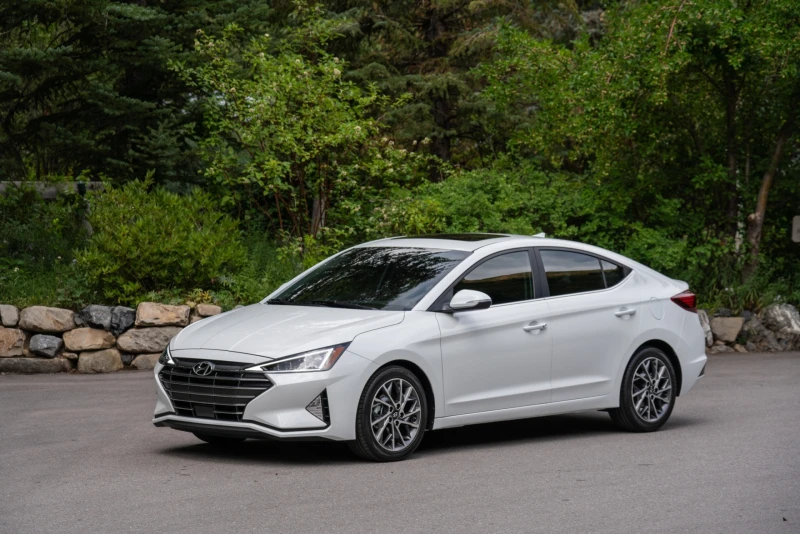
Key trims and packages for the Hyundai Elantra VI in the U.S. market included the base SE, mid-level SEL, upscale Limited, and performance-oriented Sport. The SE typically came with cloth upholstery, a 6-speed manual or automatic, basic audio with a 5-inch touchscreen, ABS, and ESC. The SEL added alloy wheels, heated front seats, Bluetooth connectivity, and a rearview camera. The Limited offered leather seats, dual-zone climate control, a larger 7- or 8-inch touchscreen with Apple CarPlay and Android Auto compatibility, keyless entry, and options like a sunroof. The Sport featured a firmer suspension, the 1.6L turbo engine, sport seats (often leather/Alcantara), and advanced features like blind-spot monitoring. In the U.S., gasoline engines dominated—primarily the 1.6L and 2.0L MPI units with automatic transmissions. The suspension used a front MacPherson strut and rear torsion beam setup, with sport tuning on the Sport trim. Optional packages added ADAS features (post-facelift), convenience items like wireless charging, and premium audio. Regional note: unlike some overseas markets with diesel emphasis, the U.S. focused almost exclusively on gasoline powertrains.
The Hyundai Elantra VI remains a compelling choice on the used market for buyers seeking a dependable, low-cost-to-own compact sedan. It suits city commuters, small families, and anyone prioritizing fuel efficiency (often 30–36 mpg combined, up to 41 mpg highway in ECO variants). Why it still holds appeal: modern design, solid equipment levels, proven mechanicals, and widely available parts at reasonable prices. Standout versions include the 2.0L MPI automatic for everyday reliability and the Sport for added fun. When shopping used, check for engine health (some Nu MPI engines had specific recalls in certain regions), transmission condition (especially DCT models), mileage (ideally under 100,000 miles for best longevity), rust (particularly on vehicles from salt-belt states), and full service history. A pre-purchase inspection at a trusted shop or Hyundai dealer is highly recommended to verify electronics, suspension, and overall condition.
Overall, this generation review highlights the Hyundai Elantra VI as a practical, well-rounded used compact sedan that continues to deliver strong value in today's market.