


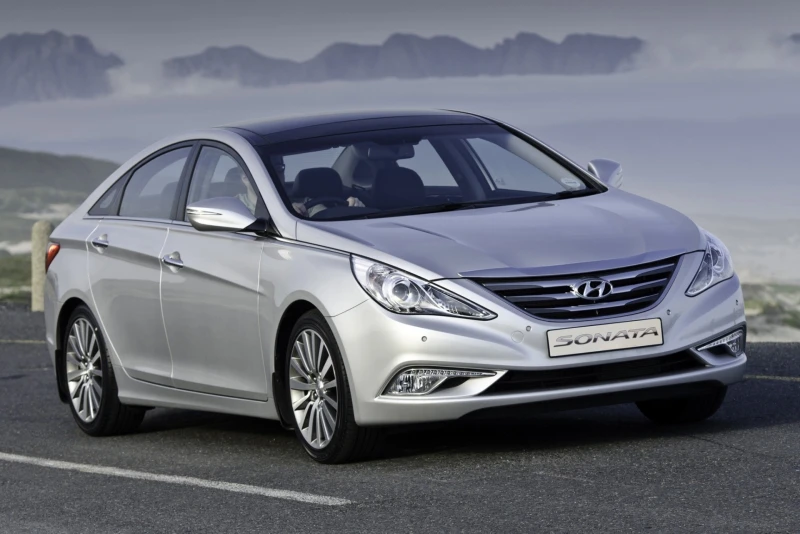
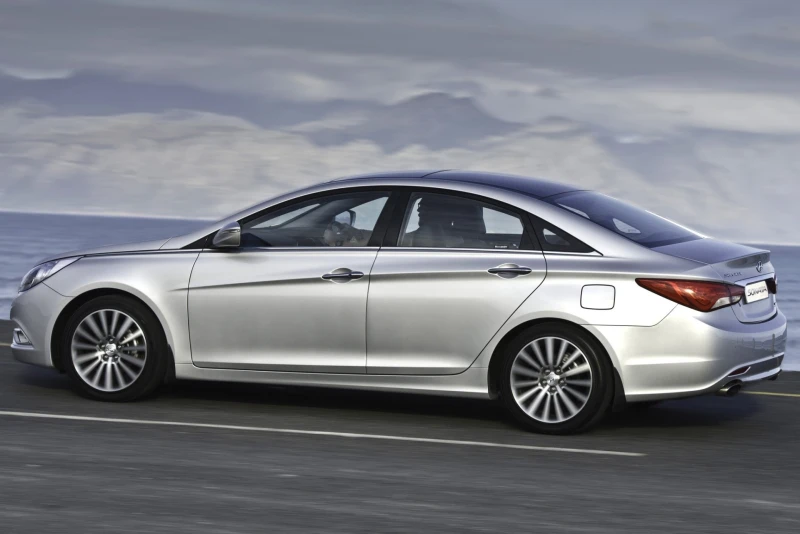
This generation, known as YF, ran from 2009 to 2014 and is now a fully discontinued model. U.S. sales kicked off in late 2009 as a 2010 model year vehicle, with strong availability through Hyundai dealerships nationwide. It rides on an all-new midsize sedan platform from Hyundai that brought noticeably better body rigidity and sharper handling than the previous generation. Within the Hyundai lineup, the Sonata YF was positioned as a stylish, upscale midsize sedan aimed at families looking for comfort, eye-catching looks, and solid fuel efficiency. Standout design elements include the flowing Fluidic Sculpture lines, aggressive front headlights, and a sleek coupe-like profile, while under the hood it featured modern gasoline engines with technologies like direct injection paired with six-speed transmissions.
What’s New Compared to the Previous Generation
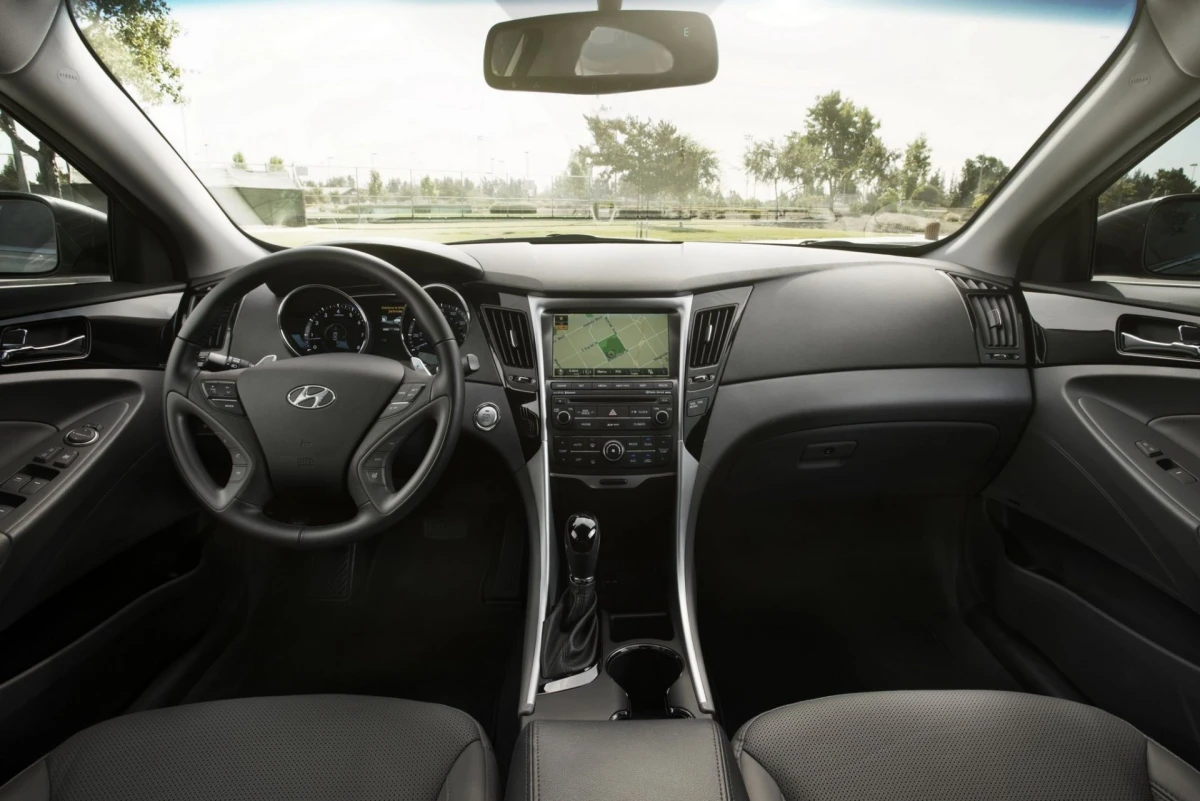
The Hyundai Sonata VI (YF) is a clean break from the more conservative NF generation (2004–2009, facelifted in 2008). The exterior received a dramatic redesign — moving to the dynamic Fluidic Sculpture language with a longer body, lower roofline, and bold front grille. Overall length grew by about 2.2 inches, wheelbase by 1.2 inches, translating to noticeably more rear-seat room. The chassis was completely re-engineered for reduced weight and much higher structural stiffness, delivering better ride quality, handling, and cabin quietness. Powertrains advanced too: the new Theta II family included a 2.4-liter GDI engine making up to 200 hp and a base 2.0-liter MPI rated at around 165 hp, replacing older less-efficient units. Six-speed automatic (and manual in some trims) transmissions became standard, improving both performance and fuel economy. Interior quality jumped with better materials, upgraded suspension (fully independent front and rear), and a longer list of available features like advanced audio systems. Safety ratings improved dramatically — earning five-star results in NHTSA crash tests thanks to a stronger structure, six airbags, and standard ABS + stability control.
Current Status of the Generation
As a discontinued model, production of the Hyundai Sonata VI (YF) ended in 2014, succeeded by the seventh-generation LF. Late-production examples typically featured the 2.0 MPI (around 165 hp) or 2.4 GDI (up to 200 hp depending on trim and market), six-speed transmissions, and front-wheel drive. In the U.S., naturally aspirated gasoline versions dominated, though some imported 2.0 Turbo models from other markets can be found. Key milestones include the 2009 Korean debut, U.S. launch as a 2010 model, a significant 2011–2012 facelift (updated grille, LED taillights, revised interior trim, and improved sound insulation), and production wrap-up in 2014. On today’s used market, the most desirable examples are the post-facelift 2012–2014 cars with the 2.4-liter engine and automatic transmission — they strike an excellent balance of reliability, performance, and features. The 2.0-liter versions remain popular for better fuel economy but need careful inspection of the direct-injection system on higher-mileage examples. Hybrid variants are uncommon but appeal to buyers seeking maximum efficiency.
U.S. Used Market
In the United States, the Hyundai Sonata VI (YF) exists entirely on the used market. Listings on platforms like Cars.com, Autotrader, and CARFAX typically show several hundred to over a thousand available examples from 2010–2014. No new units exist, but clean, low-mileage imports from other regions occasionally appear. The market remains fairly active, with most cars showing 100,000–200,000 miles. Unlike some regions, aftermarket LPG conversions are rare here — most owners stick with regular gasoline. Approximate used price range in the current U.S. market is $4,000 to $9,000 (depending on condition, mileage, year, and trim level). Approximate market price range for the United States: $4,000–$9,000. The most sought-after configurations are 2.4-liter automatic sedans in mid-to-high trims (SE, Limited, or equivalent), valued for their blend of responsive power, good equipment, and reasonable running costs.
Main Trims and Equipment Levels Available in the U.S.
Common trims of the Hyundai Sonata VI (YF) found on the U.S. used market include base GLS, sporty SE, well-equipped Limited, and occasionally Hybrid versions. The GLS typically came with cloth upholstery, air conditioning, basic audio with CD/MP3, ABS, front and side airbags, power windows, and keyless entry. Most U.S. examples feature the six-speed automatic and front-wheel drive with either the 2.0-liter or 2.4-liter gasoline engine (the 2.4 GDI was especially popular). The SE trim added alloy wheels, sport-tuned suspension, fog lights, and a leather-wrapped steering wheel. Higher Limited versions brought leather seating, dual-zone climate control, premium audio, Bluetooth, heated seats, and sometimes navigation or a panoramic sunroof. The multi-link rear suspension was tuned for American roads, offering a comfortable yet composed ride. Popular factory options included upgraded wheels, premium sound, and advanced safety aids in later years.
| Trim | Engine (U.S. Market) | Transmission | Key Features |
| GLS | 2.4 MPI / GDI (~175-198 hp) | 6MT / 6AT | A/C, ABS, audio, power windows |
| SE | 2.4 GDI (~200 hp) | 6AT | Alloys, sport suspension, fog lights |
| Limited | 2.4 GDI (~200 hp) | 6AT | Leather, heated seats, premium audio |
| Hybrid (rare) | 2.4 + electric (~209 hp combined) | 6AT | Efficiency-focused, unique styling |
Final Thoughts & Relevance Today
The sixth-generation Hyundai Sonata remains a solid pick on the used market for families or daily drivers seeking an affordable, comfortable midsize sedan with decent performance and features. It continues to attract buyers thanks to low purchase prices, reasonable maintenance costs, and a reputation for durability when properly cared for — especially compared to some newer, more complex models. Post-facelift 2012–2014 examples with the 2.4-liter engine and automatic transmission offer the best combination of driving enjoyment and efficiency. When shopping used, pay special attention to engine condition (early Theta II units had some oil consumption concerns), transmission smoothness, body rust (check wheel arches and underbody), and electronics. A professional pre-purchase inspection, CARFAX report check, and service history review are highly recommended. Overall, this generation still delivers good value in today’s budget-conscious used car landscape, provided you buy a well-maintained example.