The cabin of the 2015–2020 Hyundai Elantra is designed for daily driving, prioritizing ergonomics and durable materials. In the U.S. market, you'll commonly find imported or domestic-built versions with trim-specific features and varying condition on the used market. This guide covers the overall cabin layout, typical equipment levels, design evolution, standout elements, and current relevance.
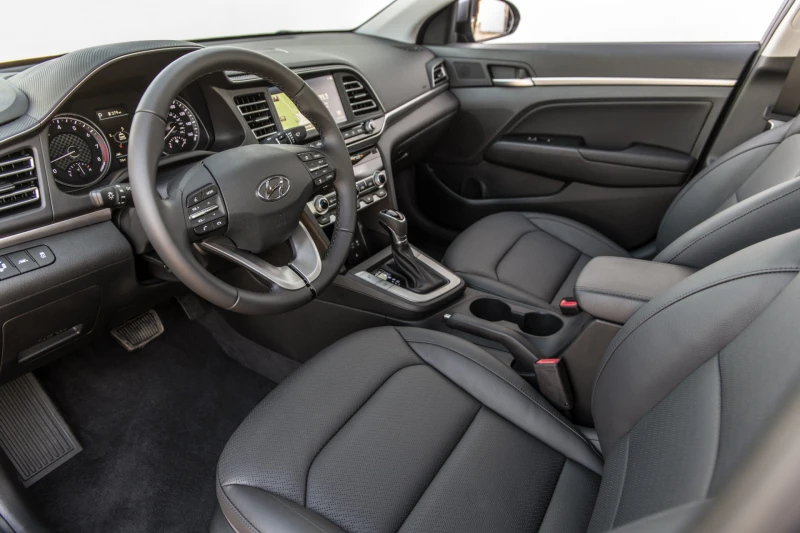
Overall Cabin Overview
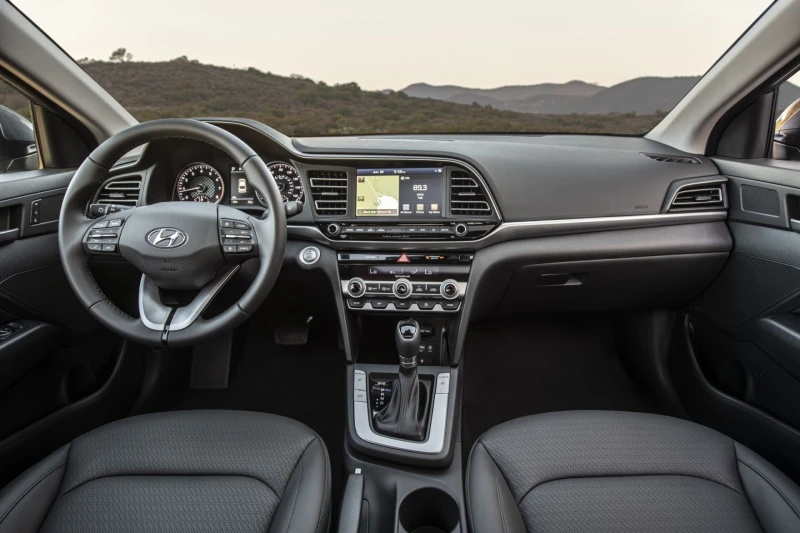
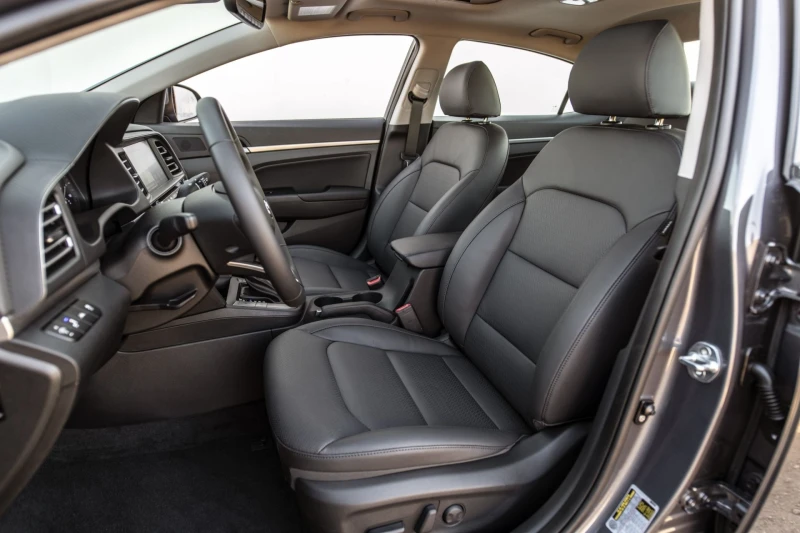
The Elantra VI interior combines hard and soft-touch plastics — with soft-touch on the upper dash — plus cloth or leather seating depending on the trim. Build quality feels appropriate for the class, focusing on longevity, though base models use harder plastics. The instrument panel features analog gauges with a central display, while the center stack angles toward the driver for easy access to climate and infotainment controls. The steering wheel offers height and reach adjustment, and controls are logically placed for comfort during city commutes and longer drives.
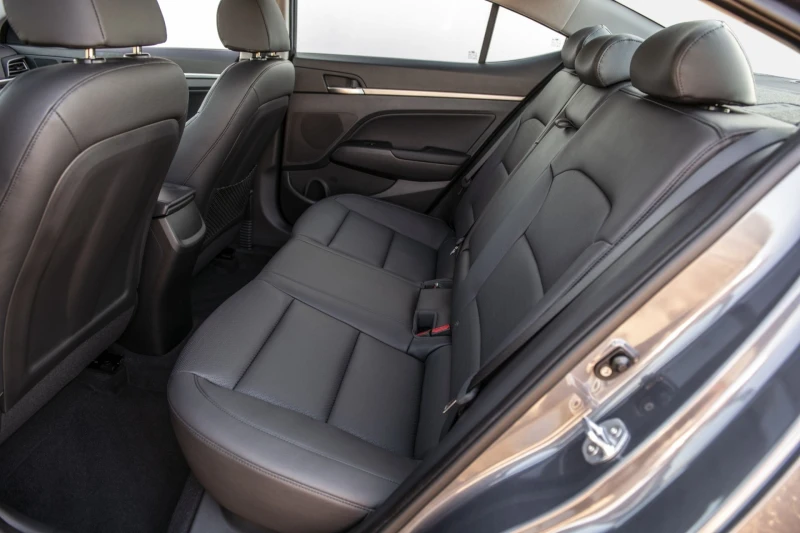
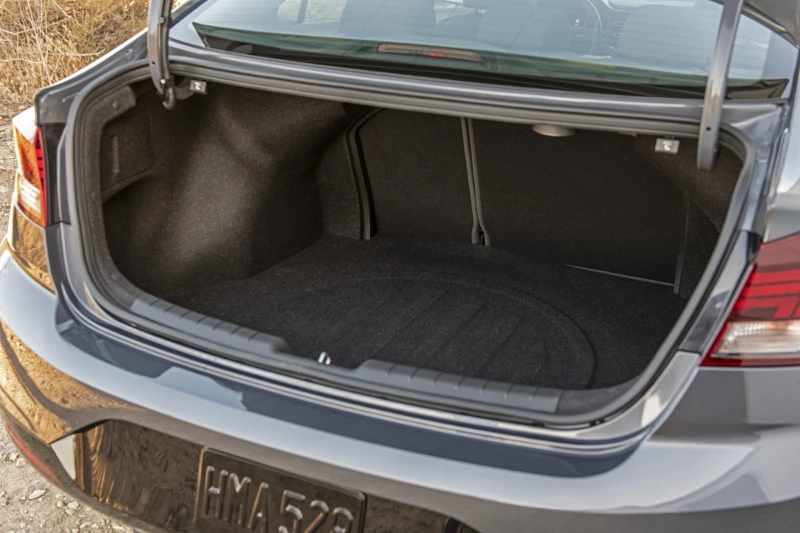
Front passengers get good head- and shoulder-room, plus supportive seats for extended trips. The rear bench seats three but is most comfortable for two adults: the 106.3-inch wheelbase provides decent legroom, though taller passengers may find headroom limited. Trunk capacity ranges from 14.8 cubic feet (expandable with the 60/40 split-folding rear seats), offering versatility for groceries, luggage, or weekend gear. Practical touches include multiple storage pockets, cupholders, and small-item bins, making it family-friendly or ideal for commuting. Folding the seats creates a near-flat load floor for larger items.
The Elantra's cabin strikes a nice balance between simplicity and usefulness, with rear vents and a center armrest available on higher trims.
Trims and Features in the U.S. Market
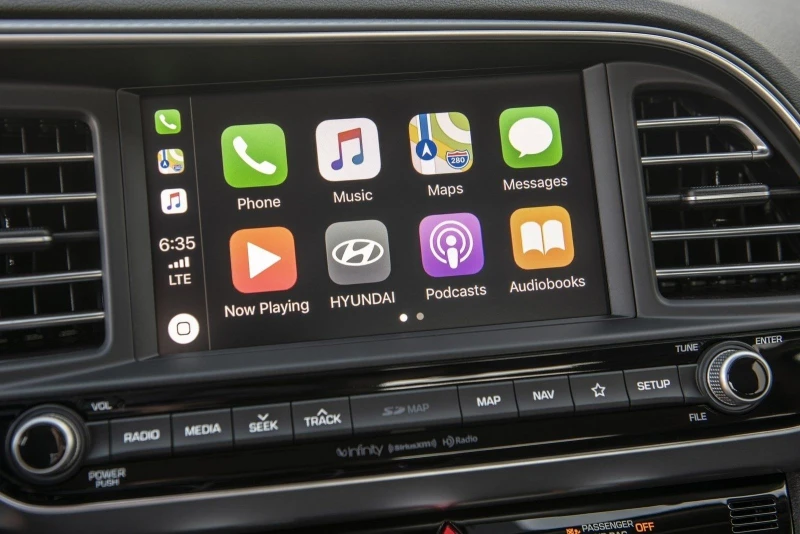
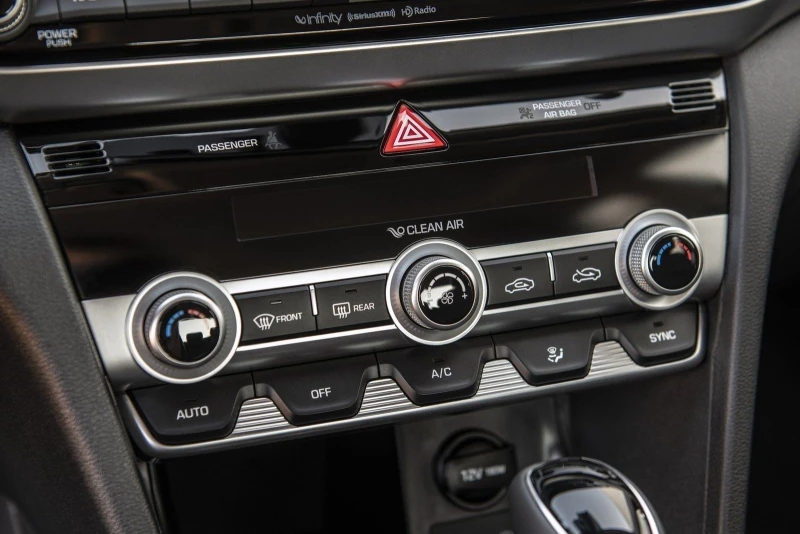
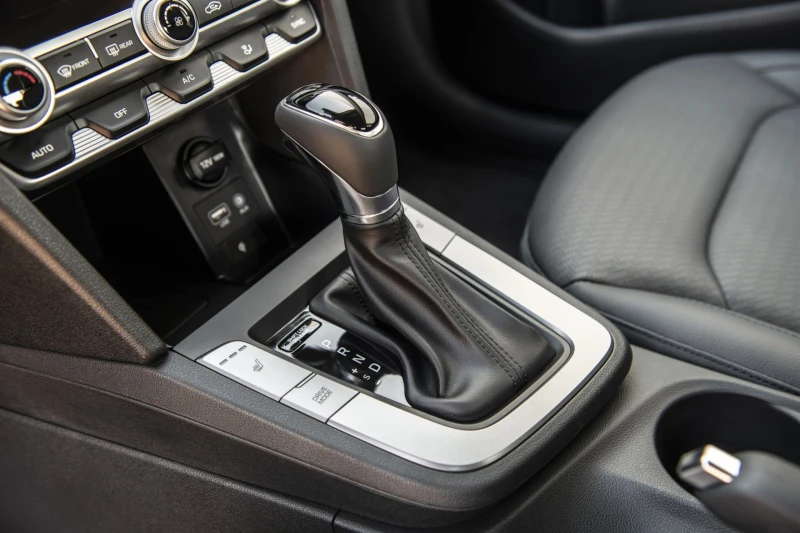
In the United States, the 2015–2020 Hyundai Elantra came in trims like SE (base), Eco, Value Edition, SEL, Limited, and Sport. The entry-level SE typically features cloth upholstery, manual or automatic climate control, a basic audio system with a smaller screen, and standard safety aids like ABS and stability control. Mid-level SEL or Value Edition adds dual-zone automatic climate, heated front seats, a larger touchscreen (often 7-inch) with Apple CarPlay/Android Auto support, and conveniences like rain-sensing wipers.
Higher Limited and Sport trims bring leather seating, heated steering wheel, keyless entry and push-button start, rearview camera, blind-spot monitoring, and more advanced driver aids. Some U.S. models included unique options like wireless charging or premium audio. Packages often added winter-friendly features such as heated rear seats in colder regions.
| Trim Level | Key Interior Features |
| SE | Cloth seats, manual/auto climate, basic audio |
| SEL / Value | Dual-zone climate, heated seats, 7" touchscreen |
| Limited | Leather, heated wheel, rear camera, blind-spot |
| Sport / Limited | Panoramic roof options, ventilated seats, premium sound |
Across trims, the Elantra cabin emphasizes value and everyday usability, with improved sound insulation compared to earlier generations.
Interior Changes Over the Years and Facelift Updates
From 2015 to 2020, the Elantra interior saw steady refinements. Early models (2015–2016) featured a more conservative layout with analog-heavy gauges. The 2017 Sport trim introduced sportier seats with available Alcantara and red stitching. The 2017–2018 facelift brought a revised dashboard, updated HVAC controls, noticeably better noise insulation, fresh interior color choices (gray, beige, black), and an upgraded infotainment system with an 8-inch screen in many trims.
Post-facelift models gained ergonomic tweaks like refined switchgear, available wireless charging, and deeper smartphone integration. On the used market today, facelifted versions are preferred for quieter cabins and modern tech, though earlier ones remain solid if well maintained. Soft-touch surfaces became more widespread, helping reduce rattles.
Later examples hold up better under typical U.S. driving conditions.
Common Questions and Interior Drawbacks
Common wear items include cloth seat bolsters fraying after 60,000–100,000 miles, especially on the driver's side. Hard plastics on the center console can scratch easily, and door seals may stiffen in extreme cold or heat. Rattles from the dash or infotainment screen sometimes appear due to road vibrations, though less common on well-kept examples.
Rear-seat comfort for three is tight due to the center hump. Thick pillars can slightly limit visibility in tight urban parking. Maintenance notes: leather needs conditioning to resist cracking, and interiors collect dust quickly. On the used market, watch for heavy wear from long commutes or sun exposure, plus occasional infotainment glitches or dash rattles that service centers can often address.
Most issues are minor and typical for the class and age.
Final Thoughts and Current Relevance
In 2026, the 2015–2020 Hyundai Elantra interior still feels reasonably modern for a budget compact sedan, though it trails newer models in screen size and material richness. Facelifted versions with updated tech remain practical daily drivers. The best value on the used market often lies in SEL and Limited trims, offering a strong mix of features, comfort, and reliability without premium pricing. Approximate used prices range from $7,000 to $13,000 depending on year, mileage, and condition (check local listings for the most accurate range in your area).
When shopping used, inspect for dashboard cracks, seat wear, infotainment functionality, and signs of heavy use. A pre-purchase inspection is recommended to check sound deadening, electronics, and overall condition. The Elantra VI cabin remains appealing for its practicality and affordability, even a decade later.