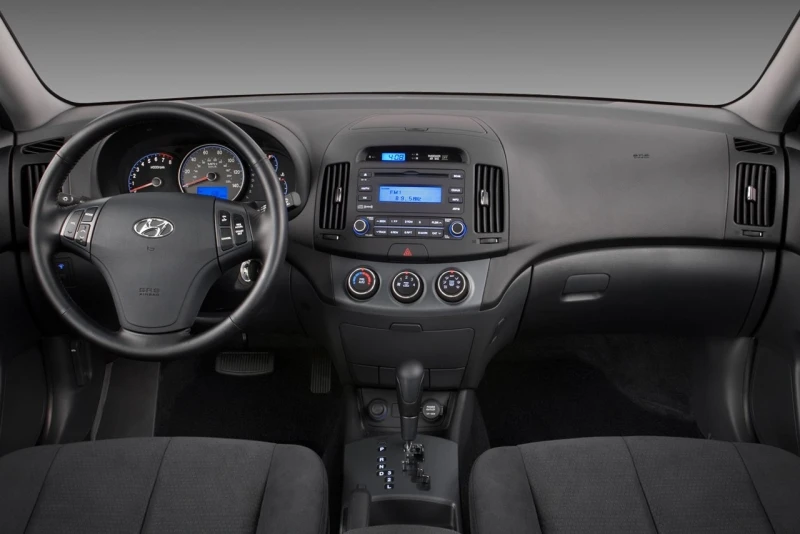
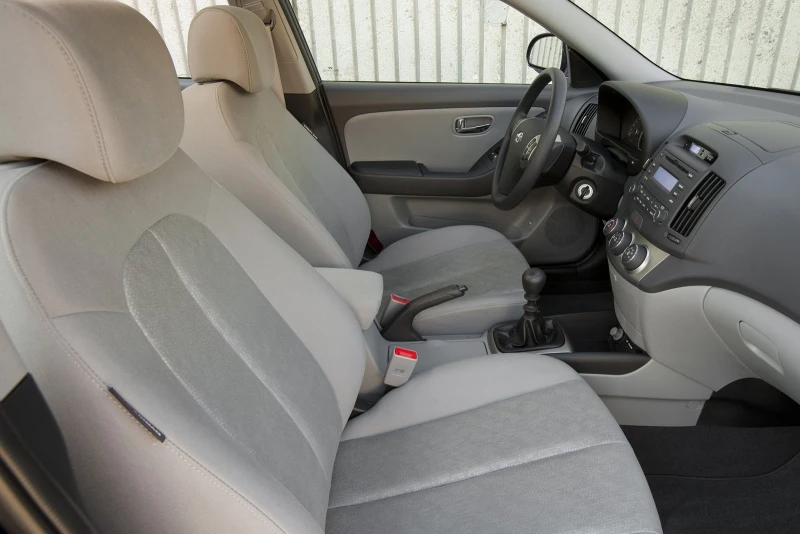
The interior of the Hyundai Elantra IV (HD) is a classic mid-2000s compact sedan design focused on everyday practicality and solid comfort. The dashboard and door panels feature mostly soft-touch plastics, with woodgrain or aluminum-look accents in higher trims. Material quality feels average for the era: scratch-resistant but prone to wear marks on the steering wheel and armrests over time. Cloth upholstery comes standard on base models, while higher trims offer leatherette or genuine leather seats that hold up better to daily use.
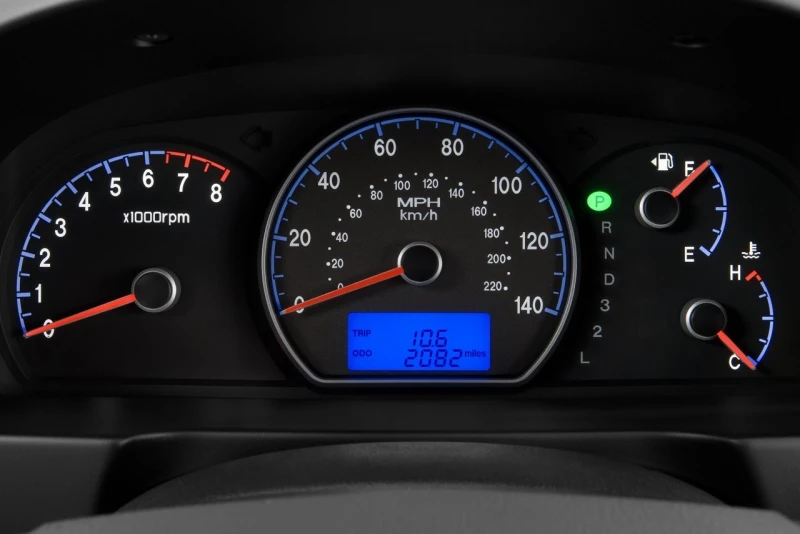
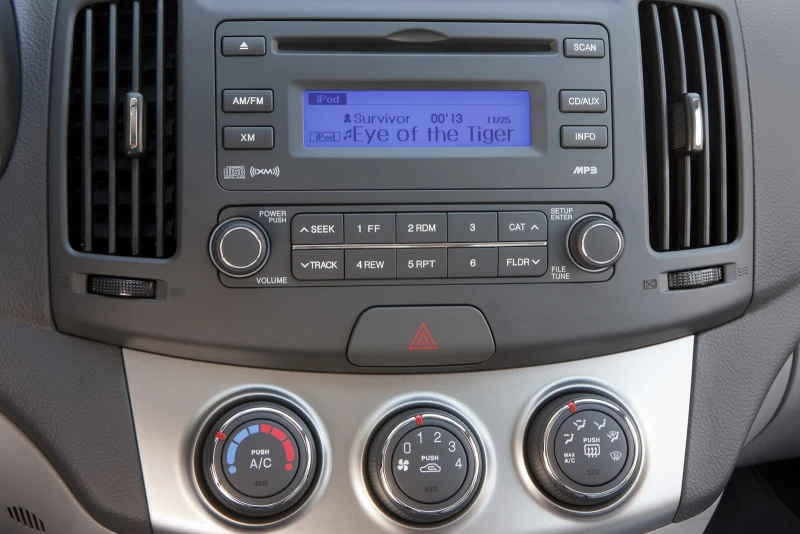
The instrument panel and center stack follow smooth, flowing lines that match the exterior styling. Gauges are clear analog units with a small monochrome display in the middle. Controls for climate and audio are logically placed and easy to reach. Driver ergonomics benefit from tilt-adjustable steering (in most versions) and height-adjustable seats, making it comfortable for average-height drivers. Taller drivers over 6'2" may find the adjustment range a bit limited.
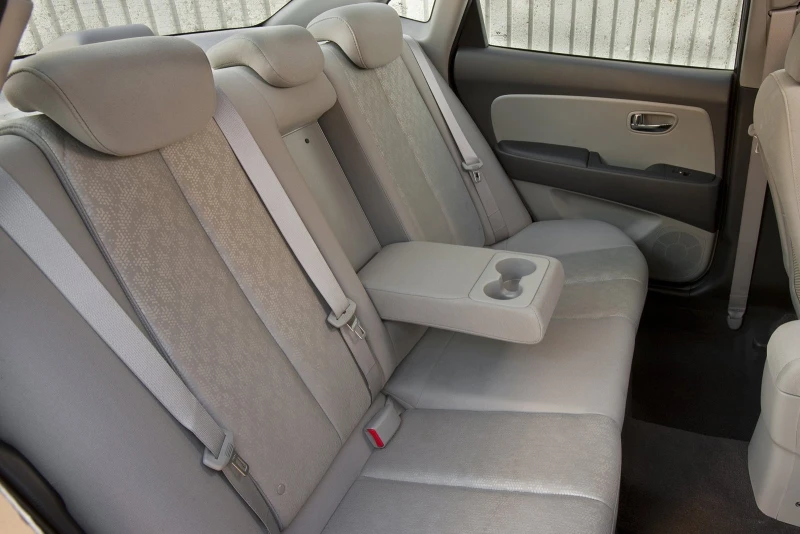
Front passengers enjoy decent legroom and headroom with good lower-back support. The rear seat is surprisingly roomy for the class — three adults can fit without major complaints, though the center passenger has to deal with a raised floor tunnel. The 104.3-inch wheelbase helps here. Trunk space measures about 14.2 cubic feet — plenty for groceries, weekend bags or airport runs. The 60/40-split rear seats fold down to expand cargo to roughly 46 cubic feet with a nearly flat load floor for longer items. Overall, the Elantra's cabin works well for small families or daily commuters who value function over luxury.
Trims and Features on the US Market
In the US, the fourth-generation Hyundai Elantra (HD) is now found almost exclusively on the used market. Common trims include the base GLS, mid-level SE, and top Limited. Most examples are gasoline-powered with either manual or automatic transmission; very few have aftermarket modifications compared to some other markets.
The base GLS typically comes with cloth seats, a basic AM/FM/CD stereo with four speakers, manual or optional air conditioning, power front windows, and essentials like ABS. Interior trim is straightforward hard plastic without fancy accents. The GLS trim steps up with single-zone automatic climate control, full power accessories (windows, mirrors, locks), heated front seats on some, a better MP3-capable stereo with six speakers, and occasional cruise control. Aluminum-look dash inserts appear here.
The SE trim adds sportier touches: upgraded audio sometimes with a larger display (if refreshed), rear parking sensors on later units, stability control (ESP), and alloy wheels that give the cabin a slightly more premium feel. The top Limited trim brings leather upholstery (synthetic or genuine), heated rear seats (rare), available sunroof, premium sound system, and extras like auto headlights and wipers. US-market cars often included stronger factory sound insulation than some export versions, plus cold-weather features like heated mirrors in many regions. Navigation and advanced tech were uncommon — this was a value-oriented compact. Trim levels on today's used market vary widely depending on year, mileage, and original region.
| Trim | Interior Finish | Audio/Media | Climate | Key Features |
| GLS | Cloth, basic plastic | CD, 4 speakers | A/C (manual or none) | ABS |
| SE | Cloth + accents | MP3, 6 speakers | Auto climate control | Cruise, heated seats |
| Limited | Leather | Upgraded audio | Auto climate | Stability control, sensors |
Interior Changes Over the Years & 2009 Facelift
The Elantra HD ran from 2006 to 2010, receiving a mild facelift for the 2009 model year that included noticeable interior improvements. Early 2006–2008 models had softer dash plastics but wider panel gaps and basic gray or beige color schemes without bold highlights. Road and engine noise were noticeable above 60–65 mph due to average sound deadening.
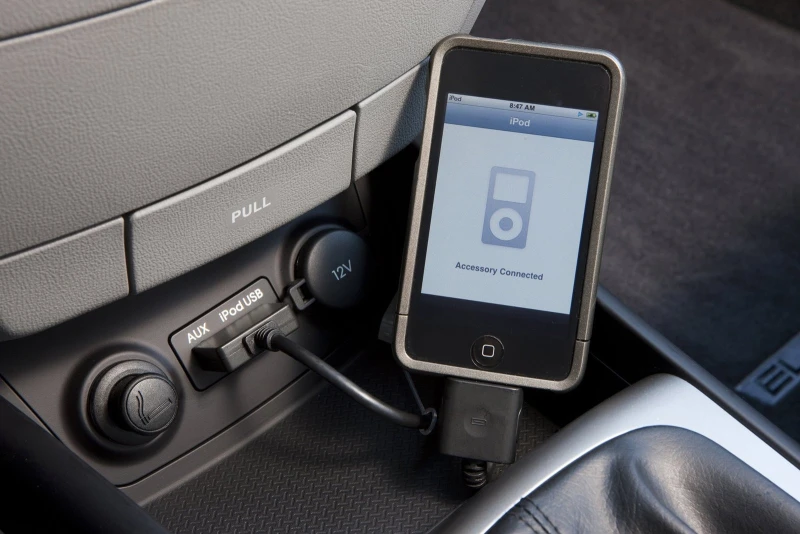
The 2009 refresh brought a revised instrument cluster with sharper blue backlighting (replacing green), higher-quality textured plastics to cut down on rattles, and better door/floor insulation that dropped cabin noise by roughly 5–10 dB according to owner reports. Top trims gained improved audio with MP3/USB support, a more user-friendly center stack, and additional two-tone interior options. These updates make post-facelift models noticeably more refined inside.
On the used market, 2009–2010 examples usually command $500–$1,200 more than earlier ones — roughly $3,500–$5,500 overall depending on condition and miles — thanks to fresher interiors and less wear.
Common Interior Issues & Owner Complaints
The Elantra HD cabin holds up reasonably well, but age-related wear shows up. Steering wheel and armrest plastics often develop shiny spots after 60,000–90,000 miles; cloth seats can fade or wear in high-contact areas. Leather versions resist better but crack if not conditioned, especially in hot/sun-heavy states or cold winter regions.
Rattles from the dash and door panels are frequent on rough roads — a common complaint in areas with poor pavement. Tire and wind noise become prominent due to modest insulation, especially at highway speeds. Rear-seat comfort is good for two but tight for three adults because of the tunnel and limited knee clearance for taller passengers. Thick roof pillars reduce visibility in tight turns, and the lack of a standard rearview camera makes parking trickier in urban settings.
Interior maintenance can be challenging in dusty or salty-road regions: plastic scratches easily, carpets trap dirt, and winter salt can cause under-mat corrosion. High-mileage examples (150,000+ miles) frequently show heavy seat wear, lingering odors, or faded trim from years of use.
Final Thoughts – Is the Interior Still Relevant in 2026?
By 2026 standards, the Elantra HD cabin feels dated — no touchscreen, basic audio, analog gauges — far from today's connected, digital interiors. Still, it delivers honest, no-nonsense practicality in the budget used-car segment with durable basics and surprising space. On the American used market, the sweet spot for value, comfort and equipment is usually the SE or GLS trims, typically found in the $3,000–$5,500 range depending on miles and condition. These offer automatic climate, decent audio, power features and reasonable reliability without the maintenance cost of rarer loaded Limited models.
When shopping, inspect the cabin closely: check for worn plastics/ upholstery, listen for rattles during a test drive, verify all audio and electronics work, and look for stains or odors that hint at heavy previous use. A pre-purchase inspection is smart to catch hidden issues in sound deadening, wiring or suspension-related cabin vibrations. For buyers seeking an inexpensive, spacious, and uncomplicated daily driver, the 2006–2010 Elantra interior remains a solid, practical choice even today.