


The solution aims to improve dynamics without significantly compromising range and could alter the approach to developing high-performance electric models. The material examines the essence of the idea and explains why automakers need such a system.
How the New System Works
In most modern electric vehicles, a single high-voltage battery handles both range and power delivery. The patent from Hyundai and Kia proposes a different solution: two traction batteries, each capable of directly powering the electric motors.
The primary battery has a larger capacity and is designed for everyday operation. It is used during normal driving, charged from external stations, and replenished through recuperation. The secondary battery is auxiliary, with lower capacity but higher specific power. Its role is to provide short-term additional energy during high-load moments.
The auxiliary battery can be charged from the primary one or during braking with recuperation. Energy distribution between the batteries is managed by an electronic control unit that analyzes driver input and the charge level of each battery.
Operating Principle and Control
The software determines when to engage the secondary battery for increased power and when to rely solely on the primary for energy conservation. The system also decides which battery receives charge at any given time.
Manual intervention is possible. The driver can limit the use of the auxiliary battery to extend range or prioritize its charging before dynamic driving. However, the delivery of additional power occurs automatically, without a separate button.
Why an Electric Vehicle Needs Two Batteries
A single universal battery always involves compromises. Focusing on range reduces the ability to sustain high power output, while emphasizing performance impacts efficiency. Separating tasks between two batteries allows each to be optimized for its specific function.
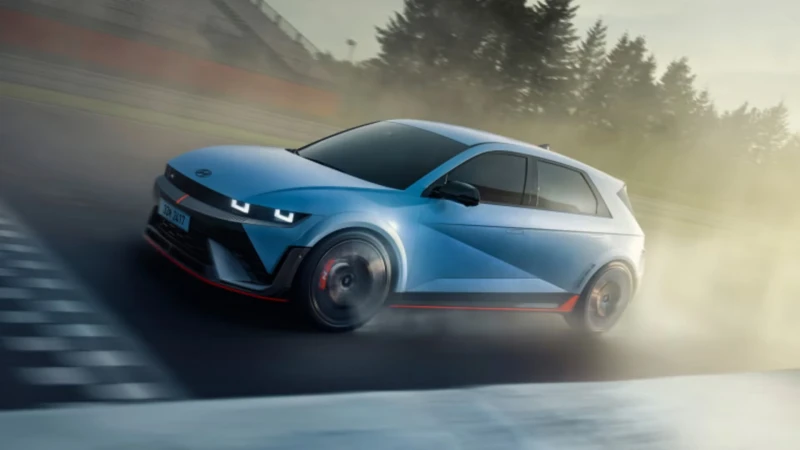
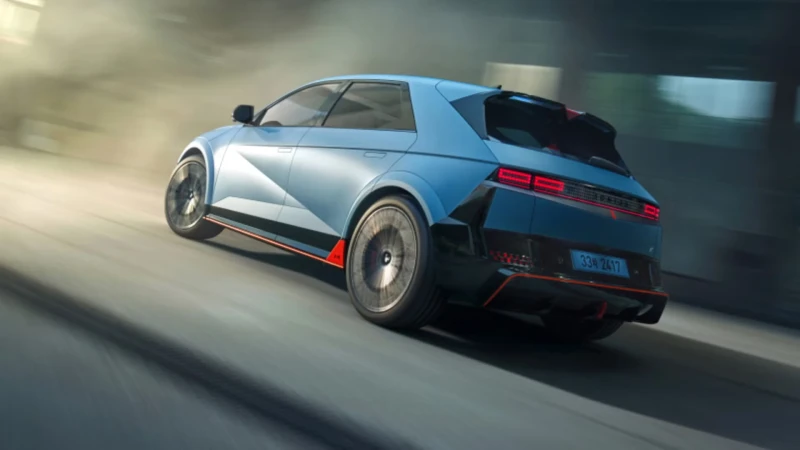
This approach could be particularly useful for sporty electric vehicle variants. For instance, high-power models could maintain acceptable range even under aggressive use. Additionally, manufacturers could more easily expand lineups of performance versions by adjusting software and auxiliary battery parameters.
Prospects for Implementation
It remains unclear if the dual-battery system will appear in production models from Hyundai or Kia. The patent does not detail specific layouts or indicate timelines for potential rollout. Nonetheless, the concept reflects manufacturers' efforts to find new ways to enhance electric vehicle appeal without sharply increasing costs or reducing practicality.
Conclusion
The dual-battery architecture proposed by Hyundai and Kia demonstrates an alternative approach to developing electric powertrains. Dividing tasks between a high-capacity and a high-power battery could provide engineers with greater flexibility in tuning dynamics and efficiency, and offer buyers more versatile electric vehicles.