On one hand, Hyundai and Kia set new records for overall vehicle sales volume. On the other, the electric vehicle segment showed a sharp and sustained decline in demand. These data provide insight into real market preferences without external support and help understand current trends.
Overall Growth Driven by Traditional Models
Hyundai ended the year in the US with 901,686 registered vehicles, marking a 7.8% increase compared to the previous period. Kia also improved its performance, selling 852,155 units and surpassing the 800,000-unit mark for the first time in a year. The growth was approximately 7%.
The main contribution to this positive trend came from models with gasoline and hybrid powertrains. For Hyundai, the Tucson led with 234,230 vehicles and a 13.6% growth. It was followed by the Elantra and Santa Fe, as well as the large Palisade, which maintains steady positions in the full-size SUV segment.
For Kia, the highest demand was for the Sportage, with 182,823 units sold. Strong performance was also shown by the Telluride, K5, and the Carnival minivan, indicating consistent interest in practical and versatile models.
Sharp Decline in Interest for Electric Vehicles
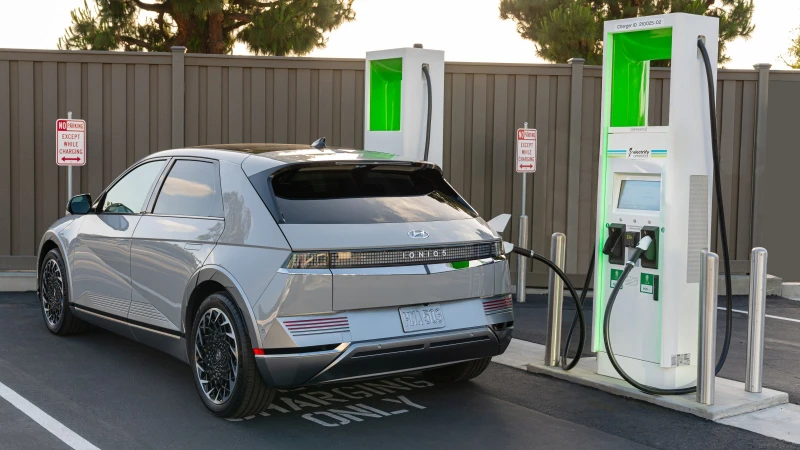
Against the backdrop of overall growth, the downturn in the electric vehicle segment stands out. For Hyundai, the positive result for the Ioniq 5 was mainly due to the early months of the year when federal subsidies were still in effect. In the second half of the year, demand dropped sharply: sales in the fourth quarter decreased by more than half.
The Ioniq 6 sedan showed negative dynamics for the entire year, with December registrations at a minimum. The new Ioniq 9 added volume only nominally, as it was not previously on the market, but its absolute figures remain modest.
Kia's Situation in the Electric Segment
Kia faced an even more pronounced decline. EV6 sales dropped by nearly a third, and the large EV9 lost more than 40% compared to the previous year. After the support programs ended, demand fell to levels that do not allow electric vehicles to be considered a key sales driver.
Year-End Conclusions
The American statistics indicate that without financial incentives, electric vehicles are not yet able to compete steadily with traditional automobiles. For Hyundai and Kia, this presents challenges in recouping investments in the electric direction, while confirming the resilience of their core business. The free choice of buyers and the absence of administrative pressure ultimately contributed positively to the brands' overall results.