


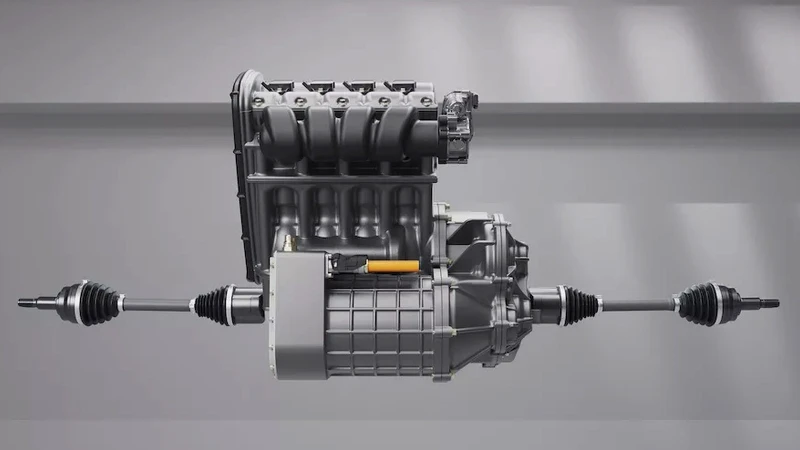
Horse Powertrain has introduced the new HR12 gasoline engine, which can achieve an average fuel consumption of just 3.3 liters per 100 kilometers. This refers to a full gasoline powertrain designed for consistent operation under standard conditions, without reliance on plug-in hybrid capabilities for electric-only driving.
Developers Behind the New Engine
Horse Powertrain is a joint venture established by Renault, Geely, and Saudi Aramco. The company focuses on developing modern powertrains, including engines compatible with alternative fuels. The HR12 engine resulted from collaboration with energy company Repsol, which also created specialized lubricants and fuels to enhance efficiency.
The engine is designed for use with not only conventional gasoline but also synthetic or renewable fuels. This approach helps reduce carbon dioxide emissions and minimize environmental impact.
Technical Features and Efficiency
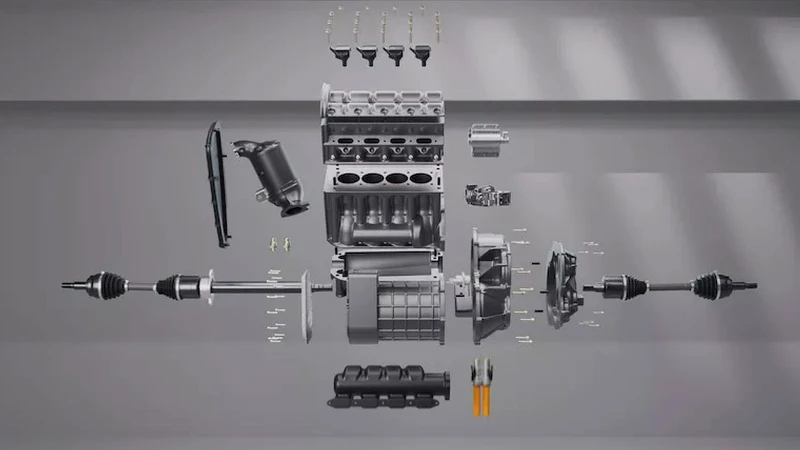
To attain high fuel efficiency, the engine underwent significant upgrades. A key modification is the increase in compression ratio to 17:1, which improves fuel combustion efficiency. The exhaust gas recirculation system was also enhanced, and turbocharger operation was optimized.
Other technical solutions include:
- a new ignition system;
- an improved transmission;
- special low-friction oils;
- updated engine management software;
- thermal efficiency elevated to 44.2%.
As a result, fuel consumption was reduced by approximately 40% compared to traditional gasoline engines in the same class. This figure was obtained under the WLTP standard, which evaluates vehicle efficiency in conditions close to real-world operation.
Environmental Benefits and Emission Reductions
Employing the new engine can substantially decrease carbon dioxide emissions. According to developer calculations, with an average annual mileage of about 12,500 kilometers, emissions could be reduced by up to 1.77 tons of CO₂ compared to a conventional gasoline vehicle.
This outcome is achieved through the improved engine design, as well as the use of alternative fuels and specialized lubricants.
Implementation Prospects and Future Development
Several working prototypes of the engine have already been produced. In the near future, one will be installed in a test vehicle for road trials. This will verify the powertrain's efficiency and reliability under actual operating conditions.
The engine is expected to be available in various power outputs, similar to current models in this class, offering around 130 or 150 horsepower. This will enable its use in both compact and larger vehicles.
Summary
The HR12 engine illustrates that modern gasoline powertrains can maintain efficiency and environmental performance without external electric charging. Its elevated thermal efficiency, reduced fuel consumption, and compatibility with alternative fuels position it as a viable option for future vehicles. The development underscores that refining traditional engines remains a key area in the automotive industry.