


They demonstrate the manufacturer's technical capabilities, shape the image, and set benchmarks for other models. The Audi A8 has performed this function for decades. However, in recent years, interest in this sedan has declined, and the model is gradually disappearing from various markets without a clearly designated successor. This event reflects broader changes in the brand's strategy and the executive car segment.
A Flagship That Shaped the Reputation
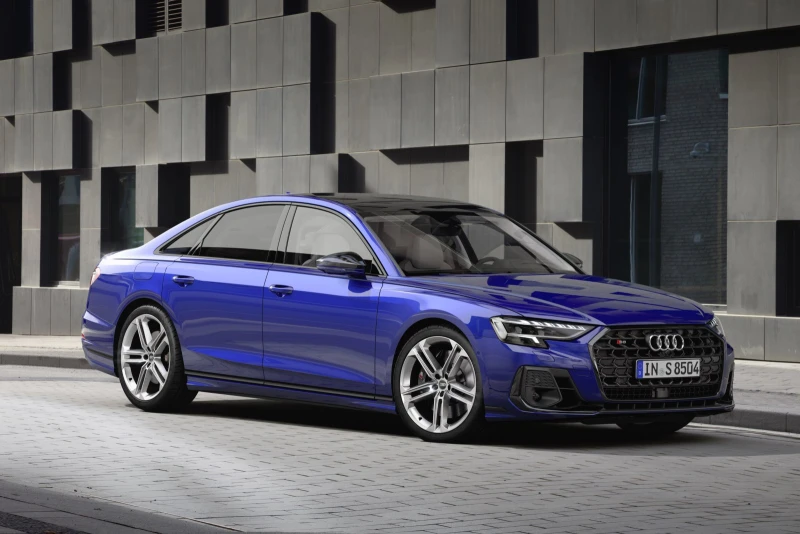
The Audi A8 first appeared in the mid-1990s and became an iconic vehicle due to its innovative approach to design. It was one of the first production sedans with a fully aluminum body, which reduced weight and improved efficiency. Combined with the quattro all-wheel-drive system, high levels of comfort, and modern technologies, the model became a full-fledged alternative to vehicles like the Mercedes-Benz S-Class and BMW 7 Series.
Over many years, the A8 remained a symbol of Audi's technological advancement. At various stages, the car offered cutting-edge solutions in safety, electronic systems, and comfort, strengthening the brand's position in the executive car segment.
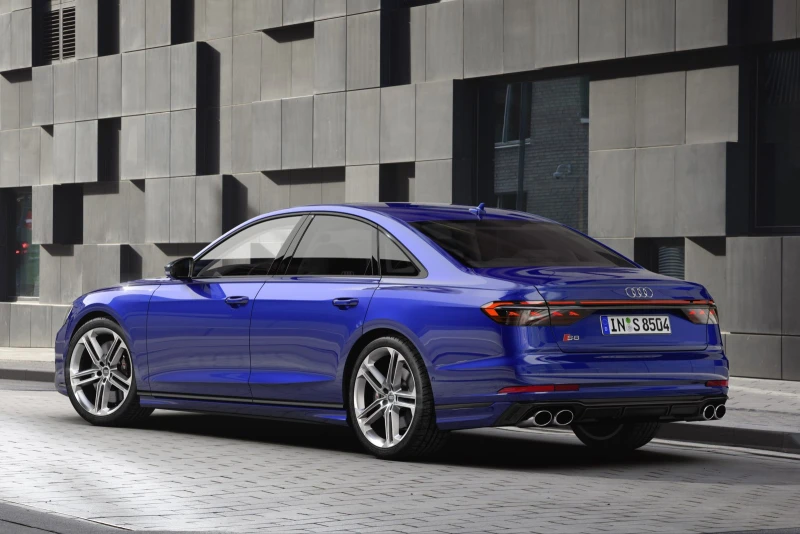
Declining Demand and Aging of the Current Generation
The latest generation of the Audi A8 was introduced in 2017, and nearly nine years have passed since then. In the premium segment, such a period is considered significant, as competitors regularly update their models, introducing new technologies and improved powertrains.
As a result, interest in the model has gradually decreased. For example, in certain European markets, annual sales are measured in just a few dozen vehicles. In comparison, competing models like the BMW 7 Series and Mercedes-Benz S-Class show more stable figures, even amid an overall decline in demand for large sedans.
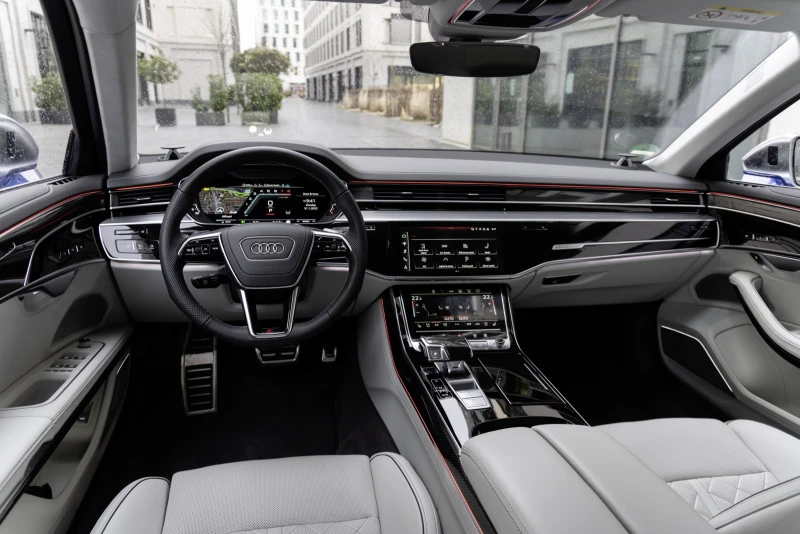
Gradual Cessation of Sales
Audi has already stopped selling the A8 in several markets, including India, Australia, New Zealand, and the Netherlands. In other countries, the model remains available only temporarily, and production is expected to end soon.
The situation is notable for the lack of an officially confirmed successor. This means the flagship sedan may disappear from the lineup for an indefinite period.
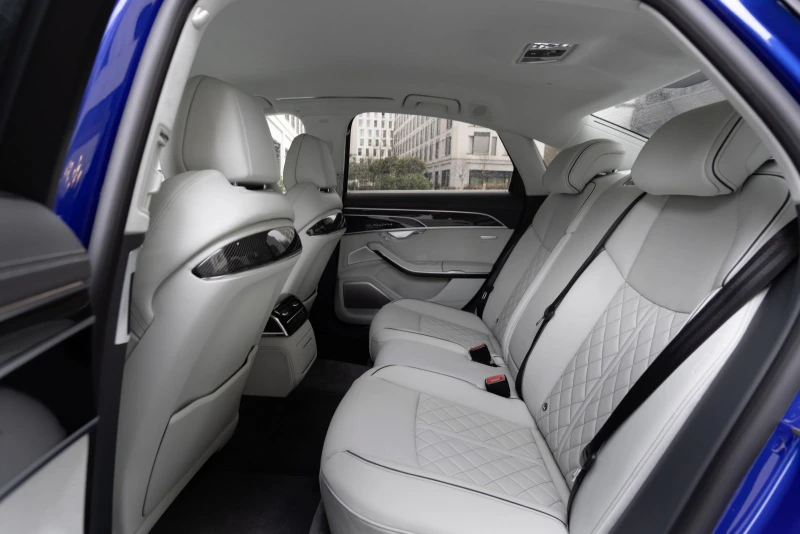
Audi's Strategy Shift
The decision to abandon further development of the Audi A8 is linked to the overall transformation in the automotive industry. Manufacturers are actively investing in new technologies, including electrification and digital control systems. Under these conditions, companies must reassess priorities and reallocate resources.
At the same time, buyer preferences are changing. More customers are opting for crossovers and electric vehicles, reducing interest in classic executive sedans.
The Role of A8 in the Brand's History
The Audi A8 played a key role in the brand's development. This vehicle showcased the company's engineering capabilities and became the foundation for implementing many technologies that later appeared in other models.
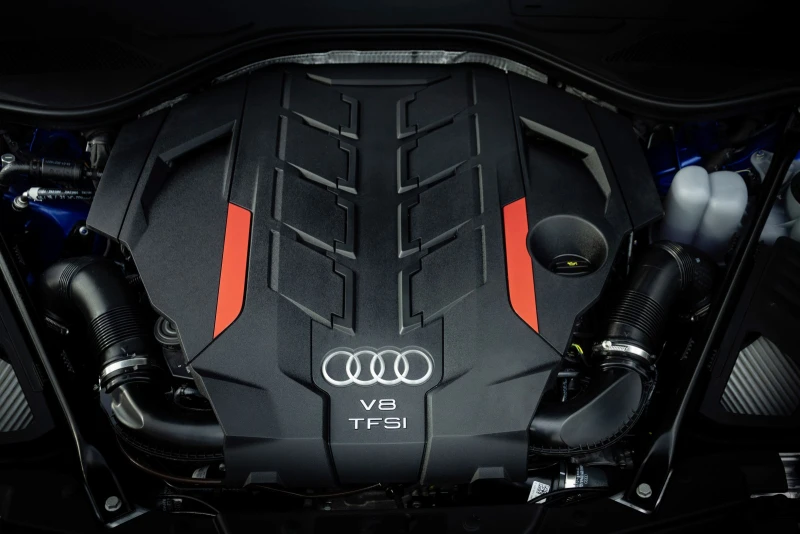
Key features that made the model significant:
- use of a lightweight aluminum body;
- development of the quattro all-wheel-drive system;
- implementation of modern electronic control systems;
- high levels of comfort and safety;
- role as the brand's technological flagship.
Conclusions
The end of the Audi A8's life cycle without an immediate successor reflects changes occurring in the automotive industry. The model, which served as a technological benchmark for the brand for many years, is gradually giving way to new directions in development. This process illustrates how technological transformations and demand shifts affect the structure of model lineups, even in the premium segment.