This decision is driven by the need to improve financial performance and adapt to changing market conditions. The cost-saving program will affect all brands in the concern, including Škoda, and may lead to significant structural changes.
Reasons for the New Phase of Cost Savings
The automotive industry is undergoing a period of transformation, and Volkswagen is no exception. Despite some positive financial indicators, the core operations of the concern remain under pressure. Certain brands within the group are showing declining profitability, while expenses for developing new technologies, particularly in the area of electric vehicles, have significantly increased.
Additional influences come from external factors, such as high competition in international markets, shifting demand, and economic constraints. In particular, the challenging situation in the Chinese market and new trade barriers are increasing the financial burden on the manufacturer.
Scale of Planned Reductions
The concern's management has set a goal to reduce expenses by approximately 20 percent over several years. In absolute terms, this amounts to around 60 billion euros. This is one of the largest optimization programs in the company's history.
The reductions will affect various areas of operations, including:
- development of new projects;
- production costs;
- logistics and material procurement;
- administrative and operational expenses;
- management structure and internal processes.
Such measures are aimed at lowering the cost level required for profitability and enhancing the overall efficiency of the concern.
Possible Changes in Production
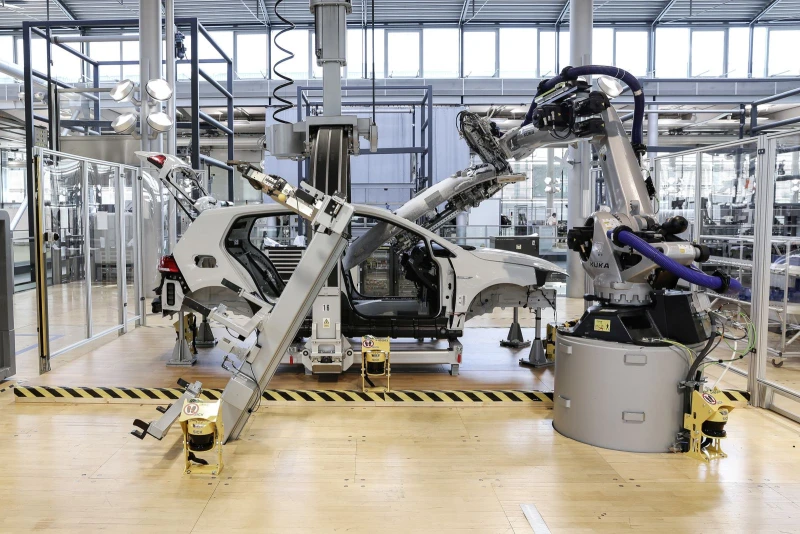
One of the most sensitive aspects of the program may be the optimization of production capacities. As part of previous reforms, the company has already closed one of its plants in Europe — the first time in nearly nine decades. The new cost-saving program could lead to further changes, including a review of plant utilization.
Experts note that in such situations, manufacturers typically analyze the efficiency of each plant, demand for produced models, and prospects for specific markets. This helps determine which facilities can continue operations and which require reorganization.
Impact on the Concern's Brands
Volkswagen Group unites several well-known automotive brands, including Volkswagen, Audi, Škoda, and others. All of them will participate in the optimization program. This means changes may affect production processes, development of new models, and expense structures within each company.
Special attention will be given to improving efficiency and reducing development costs, as these areas require substantial investments.
Prospects and Significance for the Company
The cost-reduction program is part of a broader strategy aimed at adapting the concern to new conditions in the automotive market. Manufacturers face the need to invest in new technologies while maintaining competitiveness and financial stability.
Such measures enable the company to maintain long-term stability and ensure opportunities for further development.
Summary
Volkswagen is embarking on a large-scale expense optimization program that will cover all divisions and brands of the concern. The goal of these changes is to increase efficiency and adapt to new market conditions. The final implications will depend on how the company implements the planned measures and how the situation in the global automotive industry evolves.