


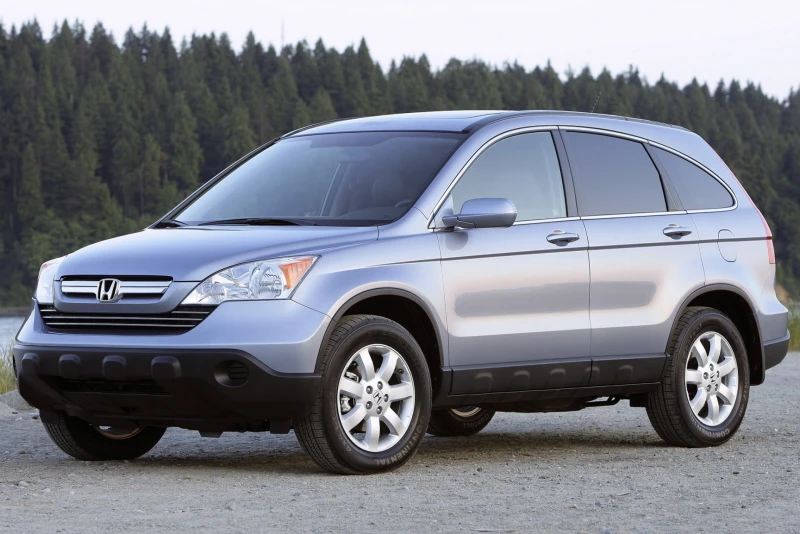
That said, like any vehicle now approaching 15–20 years old, it has its share of age-related quirks and potential trouble spots. This guide covers the main drawbacks based on owner feedback, repair data, and real-world US experience. For full specs, interior photos, and driving impressions, check our other articles in the series.
Key Drawbacks & Standout Characteristics
Owners of the third-gen CR-V frequently mention several traits that affect daily driving and long-term costs. Here are the most common:
- Fuel economy: The 2.0L (R20A) and 2.4L (K24Z) gasoline engines typically deliver 19–22 mpg in city driving and 26–29 mpg on the highway in real-world conditions, depending on driving style, maintenance, and whether it's 2WD or AWD. That's respectable for the class but often falls short of what many expect from a compact crossover.
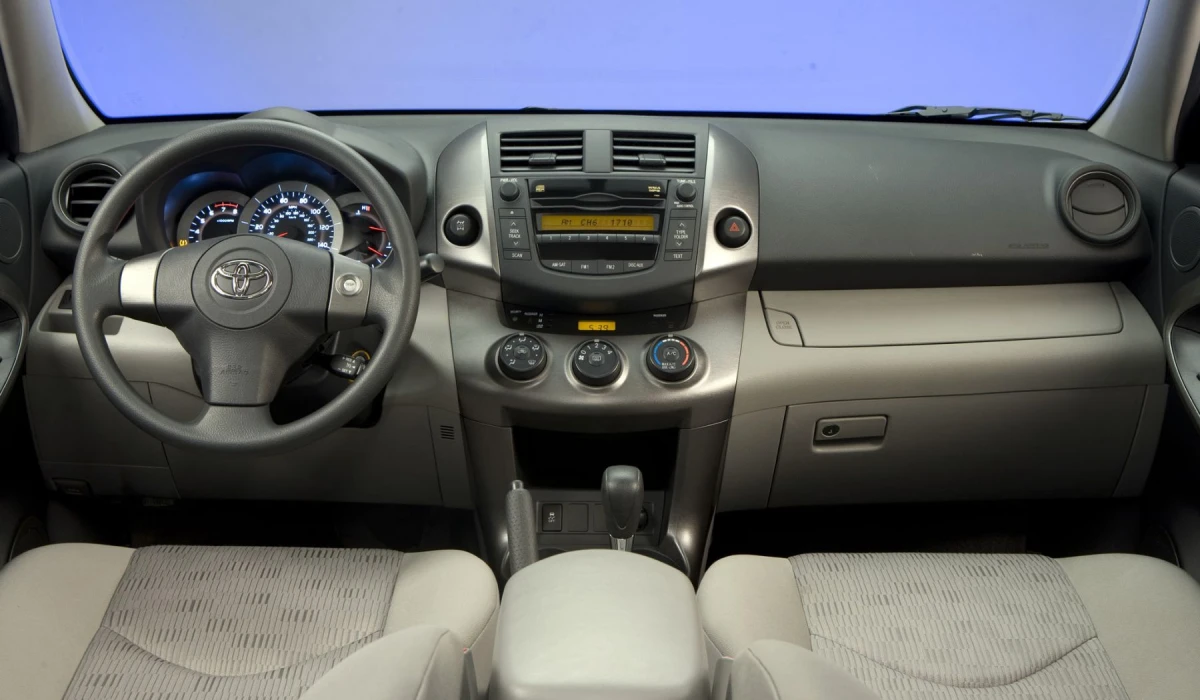
- Infotainment & navigation: Pre-facelift models (2007–2009) came with basic CD/MP3 head units lacking smartphone integration. Factory navigation, when present, is outdated and map updates are difficult or expensive to obtain today.
- Noise insulation: Road and tire noise become noticeable above 55–65 mph, while wind and engine sounds can intrude on long highway trips, especially compared with newer vehicles.
- Interior materials: The cabin plastics are durable but prone to developing rattles over time, particularly around the center console and door panels. Seat fabric or leather shows wear on bolsters and steering wheel with heavy use.
- Maintenance complexity: Valve adjustments on the gasoline engines are required every 25,000–40,000 miles, adding to service costs. Some components, like the rear differential, may need specialized tools or dealer-level access.
- Parts pricing: Genuine items such as transmission solenoids or the AWD coupling can be pricey. Aftermarket alternatives exist, but quality varies and can impact long-term ownership costs.
Most of these are typical for the model's age rather than widespread failures, but they appear regularly in owner forums and repair statistics.
Model Years & Versions — What to Scrutinize
Early 2007–2008 examples sometimes exhibit more teething issues from initial production. The 2.4L engine had occasional reports of localized cylinder #4 overheating in the first couple of years; this was addressed in later builds. The 5-speed automatic is sensitive to fluid condition — skipping regular changes every 25,000–40,000 miles can lead to solenoid or valve body issues.
The 2009–2011 facelift brought welcome refinements: better sound deadening, upgraded interior trim, and revised transmission calibration. Later models (2010–2011) generally receive fewer complaints about electronics, suspension, and overall refinement. Diesel versions were never offered in the US market.
Facelifted examples usually need less scrutiny during inspection, but regardless of year, always check for open recalls — especially the well-known rear frame corrosion campaign affecting vehicles in salt-belt states.
Used Market in the United States
On the American used market, third-gen CR-Vs are mostly North American-spec examples (USDM and some Canadian). Body condition varies by region: in the Rust Belt and northern states that use heavy road salt, rear wheel arches, rocker panels, and underbody seams can show corrosion — especially if undercoating was neglected or the vehicle saw harsh winters.
Service history is critical: premature wear of the AWD coupling, differential fluid leaks, or transmission issues often trace back to skipped maintenance. Verify originality of parts via VIN; many have aftermarket replacements. Mileage tampering exists, so a professional scan and history report (Carfax, AutoCheck) are essential.
Typical offerings are 2.4L models with automatic (or occasional manual), mileage between 120,000–200,000 miles, and asking prices roughly $6,000–$10,000 depending on condition, trim, location, and equipment (approximate market range in 2026 for well-kept examples).
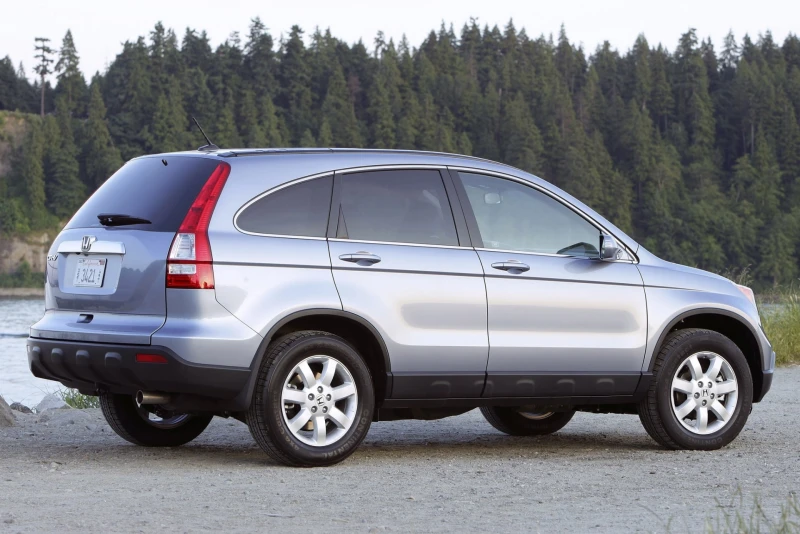
Fixable Issues & Budget for Bringing One to Good Shape
Many of the third-gen CR-V's quirks can be addressed. Common upgrades include:
- Improved sound deadening: adding aftermarket materials to wheel wells, doors, and floor can cut cabin noise by 20–30%.
- Modern infotainment: swapping the factory radio for an aftermarket unit with Apple CarPlay/Android Auto, plus a backup camera.
- Interior refresh: reupholstering worn seats or steering wheel, applying felt tape or bushings to stop rattles.
- Suspension work: upgrading rear springs, aligning control arms to correct tire wear, replacing sway-bar links.
- Rust prevention: underbody and cavity protection, especially important in regions with winter salt.
- Routine maintenance: fresh ATF in the automatic, valve adjustment, throttle-body cleaning to stabilize idle.
When buying, budget 10–20% of the purchase price for immediate needs — diagnostic scan, fluids, tires, brakes, and addressing any deferred maintenance. Costs vary by region and shop rates.
Final Thoughts & Buying Advice
In 2026 the third-generation Honda CR-V remains a sensible used compact SUV choice — provided you select a well-maintained example and perform a thorough pre-purchase inspection. It delivers reliable all-weather capability and composed handling, though it asks for regular upkeep. Later facelifted models (2010–2011) generally require the least attention, while early 2007–2008 units may need extra scrutiny on the engine and transmission.
The sweet spot for many buyers is the 2.4L with automatic — it strikes a good balance of performance, efficiency, and parts availability. During inspection and test drive, pay special attention to: transmission shift quality, AWD system behavior (no binding or overheating), suspension noise, body rust (especially rear subframe in applicable states), interior rattles, and all electronics/locks/sensors. A trusted independent mechanic or Honda specialist with a full diagnostic scan is the best way to uncover hidden issues.