


Company sales have noticeably declined, inventory levels have increased, and previously announced expansion plans no longer appear achievable. This article examines the reasons behind these developments and explains why the slowdown has been so abrupt.
From Record Growth to Initial Signs of Decline
Over the past few years, BYD has demonstrated growth unmatched in the modern automotive industry. In 2021, the company sold around 750,000 vehicles, while last year's sales exceeded 4.6 million units, positioning the brand among the world's largest manufacturers. Against this backdrop, management outlined even more ambitious forecasts—5.5 million vehicles in the following year and continued growth thereafter.
However, in the second half of last year, growth rates began to slow. By summer, sales growth nearly halted; autumn brought the first months of negative dynamics; and by year-end, the gap between expectations and reality became evident. January 2026 proved particularly indicative.
January Results and Shifting Demand Structure
In the first month of the year, BYD sold approximately 210,000 vehicles. This represents a decline of about 30 percent compared to January of the previous year and nearly half relative to December. The downturn affected both fully electric models and plug-in hybrids, which were previously considered a more resilient segment.
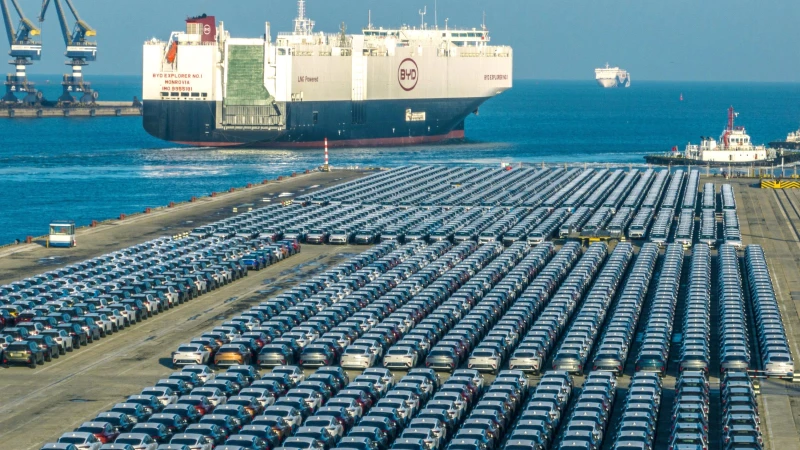
Amid falling domestic demand, exports remain a positive factor. Shipments outside China grew by more than 50 percent, exceeding 100,000 vehicles for the month. Nevertheless, even this growth has not yet offset the overall sales reduction.
Changing Conditions in China's Domestic Market
One key reason for the slowdown is a shift in government policy. Electric vehicles in China have lost several tax advantages: starting this year, a five-percent purchase tax applies again, and many subsidies, including regional ones, have been discontinued. Additionally, stricter requirements for large and powerful electric models are under discussion, which could limit their market presence.
For manufacturers, this means increased costs and the need to revise product lineups. In BYD's case, the situation is complicated by its pricing strategy over recent years, where the company aggressively reduced prices, sometimes approaching production costs.
Pricing Pressure and Production Risks
BYD cannot sharply raise prices due to high competition, while reducing production volumes risks losing economies of scale, on which business profitability largely depends. As a result, the company faces a surplus of already produced vehicles lacking sufficient buyers.
Conclusion
The situation around BYD illustrates that even the fastest-growing automakers are vulnerable to changes in market and regulatory conditions. Declining sales, rising inventory, and export dependency pose a complex adaptation challenge for the company. The coming months will be decisive in determining whether BYD can stabilize its position and adjust its strategy without significant losses.