It is not only about power or dynamics, but also about character, reliability, and technical individuality. In an era when automakers are increasingly abandoning the development of unique power units, a logical question arises: is it possible to create truly desirable vehicles without this key element?
The Role of the Engine in Shaping the Car's Image
For decades, the engine has been more than just a source of propulsion—it has been the central element of automotive identity. It defined the sound, behavior, throttle response, and overall perception of the vehicle. It was often the power unit that distinguished an outstanding model from a merely successful means of transport.
Even with compromises in other areas, a distinctive engine could build a lasting reputation for the car. At the same time, well-balanced but characterless vehicles rarely became objects of long-term interest.
From Utility to Engineering Character
In the early stages of automotive development, priorities were different. Models such as the Ford Model T or Volkswagen Beetle entered history through affordability and practicality, not through technical sophistication of their engines. However, with growing competition and technological progress, the engine gradually became the primary criterion by which cars were differentiated from one another.
This applied not only to sports cars. Engines noted for economy, durability, or ease of maintenance also gained broad recognition. In the mass segment, it was precisely such units that often secured a model's reputation as a reliable and rational choice.
Icons Created by Engines
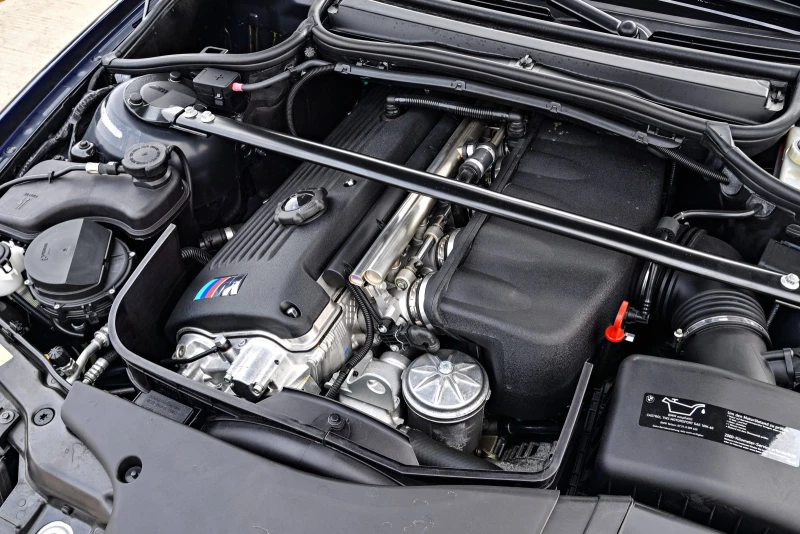
Most automotive legends are directly associated with specific engines. Naturally aspirated and turbocharged inline and V-configuration units, unique layouts, and technical solutions shaped the recognizable handwriting of brands. In many cases, the engine became the main argument in favor of the car, even if other characteristics were controversial.
This principle worked in both premium and mass-market segments. The reputation of entire model lines was built around successful engine families that were remembered and valued for years.
The Modern Break with Tradition
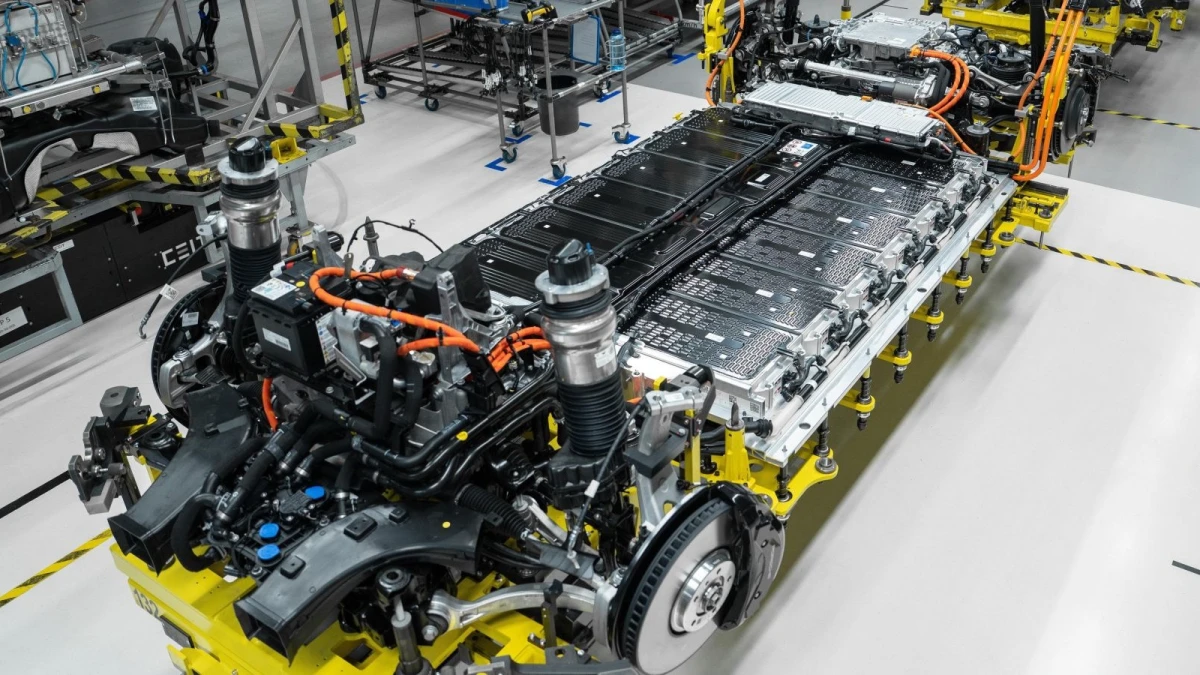
In recent years, the industry has increasingly abandoned the development of unique engines, betting on standardized electric powertrains. From an engineering standpoint, this approach simplifies production and helps meet regulations, yet it largely deprives vehicles of individual character.
Electric motors, despite differences in tuning, are inherently similar to one another. Opportunities for creating unique sound, response, or behavior are significantly limited. As a result, cars from different brands begin to be perceived as interchangeable products.
Conclusion
The experience of past decades shows that the engine played a decisive role in creating automotive icons. Abandoning the development of distinctive power units simplifies the technology but simultaneously strips vehicles of the very feature that generated interest and formed long-term value. The question of whether new approaches can replace this fundamental element remains open and will largely determine the future of the industry.