The model's production is organized at the Bratislava plant, where it will be assembled alongside gasoline and hybrid variants. The new electric vehicle is part of the strategy to expand the lineup, though its introduction raises questions regarding market viability and alignment with the brand's traditional image.
Context and Brand Direction Shift
For decades, Porsche has been associated with fast, technically refined, and versatile vehicles that combine sporty character with everyday practicality. The expansion of the model range in the 2000s, including the Cayenne, Macan, and Panamera, allowed the brand to significantly increase sales volumes and strengthen its position in the global market.
Peak registrations occurred in the early 2020s, when annual sales exceeded 300,000 vehicles. However, in 2025, this figure dropped to 279,000 units, corresponding to levels from several years prior. The decline in demand coincided with the company's active transition to electric vehicles.
Production and Assembly Line Flexibility
The electric Cayenne is produced on the same line as other model versions. This approach enables quick adjustments to production volumes based on actual demand. For the Bratislava plant, this means the ability to respond rapidly to market changes without major reconfigurations of the production process.
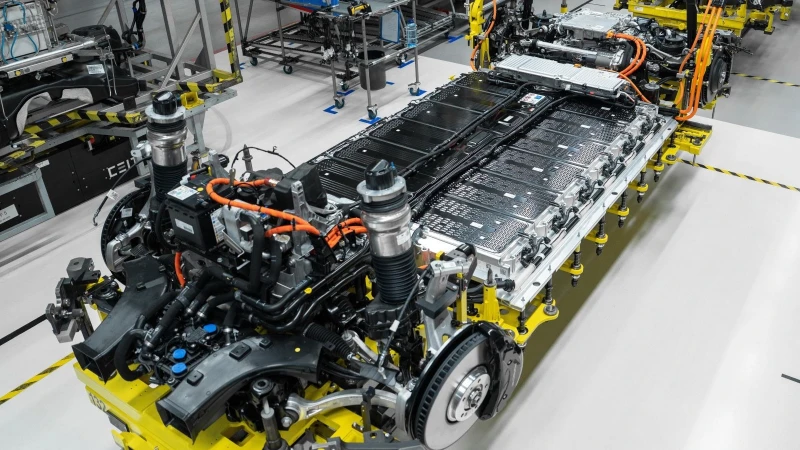
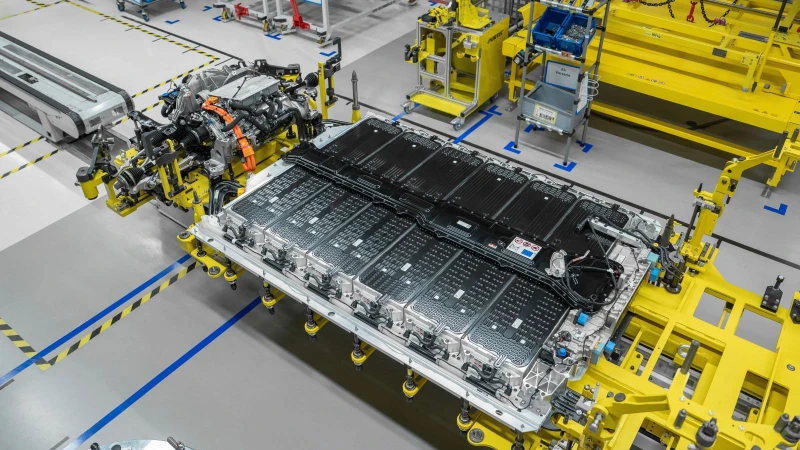
Additionally, Porsche has organized the production of traction batteries at the facility in Horná Streda, approximately 100 kilometers from the Slovak capital. This has localized key components and shortened supply chains.
Technical Features of the Electric Cayenne
The model is equipped with a battery of total capacity 113 kWh, of which 108 kWh are usable. In terms of this metric, the energy reserve is comparable to approximately 28 liters of fuel. The claimed range is up to 617 kilometers for the Turbo version and up to 642 kilometers for the base model, though such values are primarily achievable in laboratory conditions.
The vehicle's mass exceeds 2.7 tons, which inevitably affects efficiency. The top Turbo version delivers 1,156 horsepower and accelerates to 100 km/h in 2.5 seconds. The cost of this variant starts from approximately $115,000.
Special attention is given to the battery thermal management system. For the first time, a design with two thermal plates — top and bottom — is used, allowing faster heating or cooling of the battery depending on operating conditions and improving the stability of fast charging.
Market Prospects
The launch of the electric Cayenne may attract a limited group of buyers interested in the novelty or maximum performance. However, in the long term, the question remains open as to whether such a heavy and expensive electric crossover can ensure stable demand in a segment where competition is constantly intensifying.
Conclusions
The electric Porsche Cayenne represents a logical but debated continuation of the previous electrification strategy. Flexible production and proprietary battery technologies provide the company with certain advantages, though the model's further success will directly depend on how well its characteristics and concept align with customer expectations in the real market.