In the late 1990s, General Motors released its first production electric vehicle — the EV1. It was so unusual that the decision was made not to sell it directly: the car could only be leased. GM wanted to check whether ordinary drivers were ready to switch to electric propulsion and how viable such a project could be.
Birth and Public Enthusiasm
The first step was the PrEView prototype from 1994 — only 50 units. The company expected modest interest, but in California and New York the phones were literally ringing off the hook: tens of thousands of test drive requests. This enthusiasm convinced GM to launch the production version. In 1996, the EV1 hit the roads — sleek, futuristic, with a low drag coefficient and nearly silent operation. It accelerated to 100 km/h in 8 seconds, which was impressive for an electric car at the time. The range was about 130 km, and this without any “eco” modes.
Technologies and Challenges
By 1999, the second generation appeared — with more capacious nickel-metal-hydride batteries. The car became more responsive and could travel up to 160 km on a single charge. But soon issues arose that are familiar to any modern electric vehicle owner: battery degradation, expensive repairs, and lack of infrastructure. For the corporation, this meant enormous costs, and GM decided to terminate the program. All 1,117 cars were reclaimed from lessees and sent for disposal. Buyers who had fallen in love with their EV1s were not even given the opportunity to purchase the cars.
How the Electric Vehicle Became a Legend
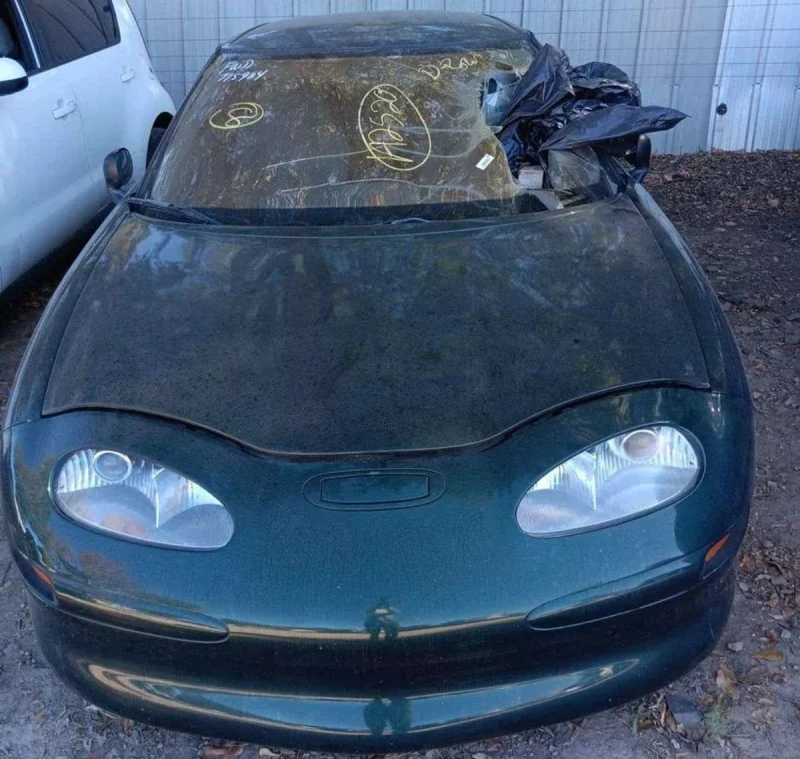
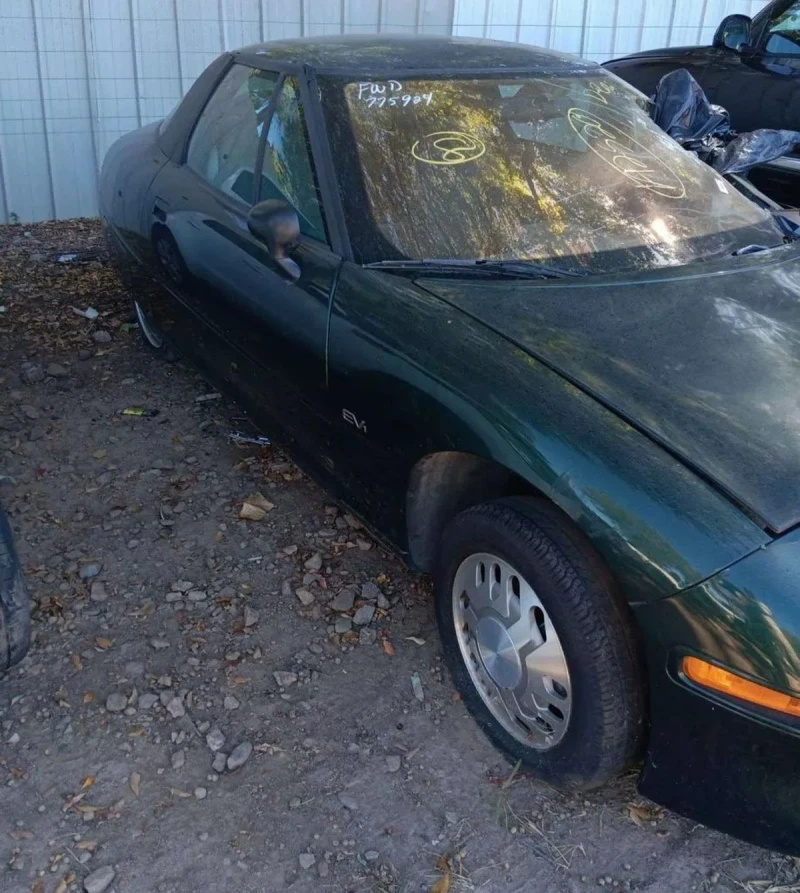
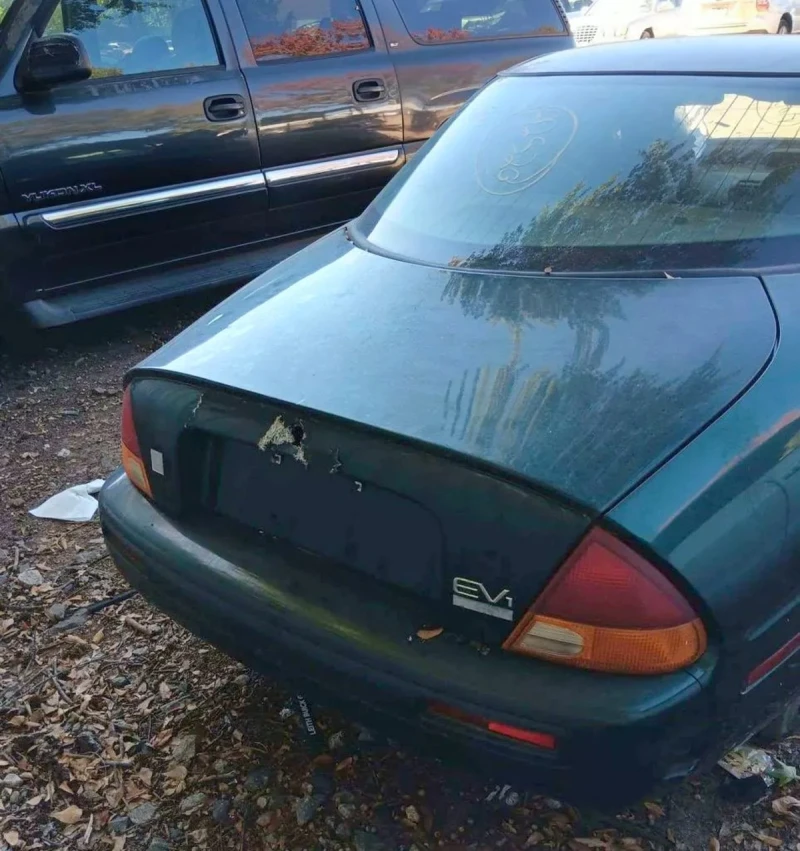
Nevertheless, around forty examples miraculously survived — they were transferred to universities and museums for educational purposes, but with the drivetrain deactivated. One such vehicle recently surfaced in Atlanta: a green EV1 with chassis number V212, which had stood on university grounds for many years. The car is in a deplorable condition — broken windows, rust, traces of vandalism. But even so, it caused a stir at auction and sold for $104,000 (approximately €98,000).

Why This Story Matters
The EV1 was not just an experiment — it was a harbinger of the era in which Tesla, the Hyundai Ioniq, and the VW ID.3 dominate today. Once GM believed that electric transportation was a dead-end path. Now the world is moving exactly in that direction. Remarkably, the failed late-1990s project became a symbol of the beginning of a new era.
Perhaps if General Motors had not shied away from its own innovations at the time, we would have been driving electric vehicles twenty years earlier. On the other hand, it was precisely this “auto breakthrough with a minus sign” that made the EV1 a legend remembered to this day.