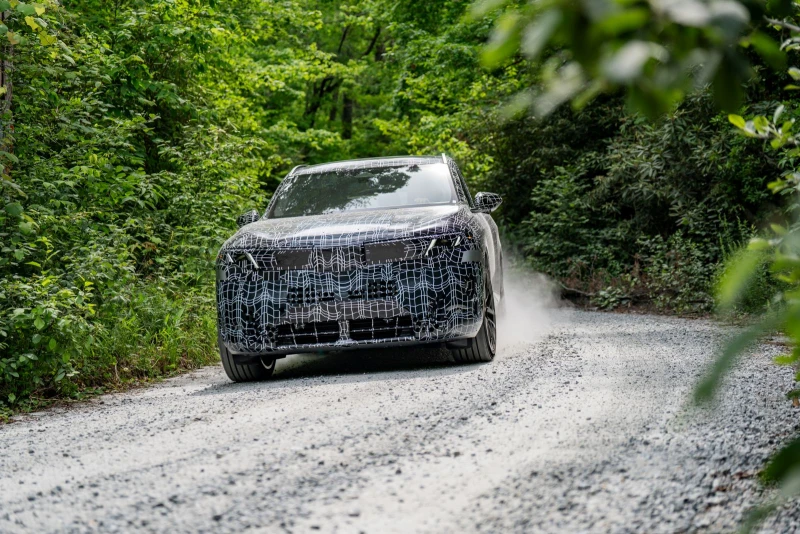
Preliminary figures suggest the SUV could approach the 3-ton mark. The information did not come from an official technical specification, but from a company statement about the use of recycled materials in the production of the future model.
Vehicle Weight Continues to Rise With Each Generation
Increasing vehicle weight has long been a broader trend across the automotive industry. Cars have become larger and gained more safety, comfort, and electronic systems. The increase has become particularly noticeable with the spread of hybrid and electric powertrains, which require heavy battery packs, additional power electronics, and reinforced body structures.
For comparison, the E36-generation BMW M3 weighed around 1,460 kg in the early 1990s. The following E46 M3 added only a few dozen kilograms, while the E92 version with its naturally aspirated 4.0-liter V8 reached approximately 1,580 kg. In 2014, BMW managed to keep the F80 M3 sedan’s curb weight at around 1,520 kg.
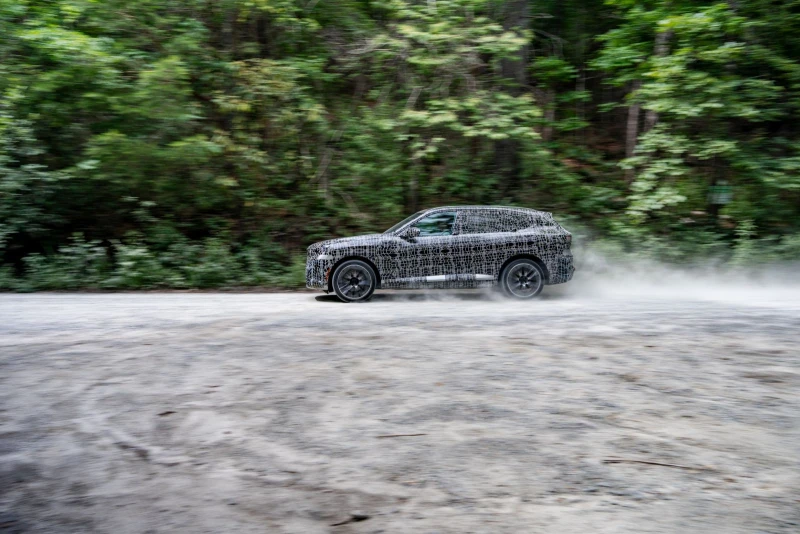
Weight gains then accelerated. The G80-generation BMW M3 approached 1,730 kg, while modern hybrid performance models have become considerably heavier. The latest BMW M5, for example, weighs around 2,510 kg. The increase is not only due to larger dimensions, but also to the combination of powerful engines, electric components, a battery pack, and a full range of onboard equipment.
Recycled-Material Data Reveals the iX5’s Potential Weight
BMW said it plans to use around 940 kg of secondary materials in the electric version of the new X5. The company added that this represents approximately one-third of the vehicle’s total weight. A straightforward comparison of those figures suggests the future iX5 could have a base weight of roughly 2,820 kg.
The final figure will depend on the version, battery size, equipment level, and measurement method. With a driver, optional equipment, and market-specific configurations included, the heaviest variants could approach 2,900 kg.
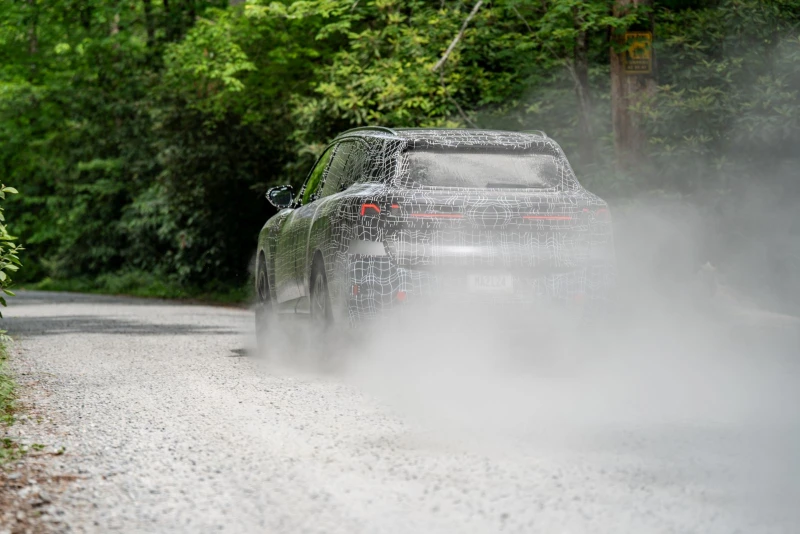
Why the Electric X5 Could Be Heavier Than Current Models
A large electric SUV requires a high-capacity battery to provide a competitive driving range. In addition to the battery system itself, the structure must be reinforced to accommodate its weight and meet safety requirements. All-wheel-drive electric motors, power electronics, cooling systems, and an extensively equipped cabin add further weight.
If the estimates prove accurate, the iX5 would outweigh the current BMW i7 M70, which is regarded as one of the brand’s heaviest vehicles at around 2,745 kg. The X5, however, will remain a passenger SUV designed for family use and long-distance travel rather than commercial cargo transport.
Conclusion
The new electric BMW iX5 could become the heaviest production vehicle in the brand’s history. Official specifications have not yet been released, but the stated proportion of recycled materials suggests a weight of approximately 2.8 to 2.9 metric tons. BMW is expected to disclose the final figure closer to the model’s debut, when its variants, battery specifications, and equipment levels are announced.