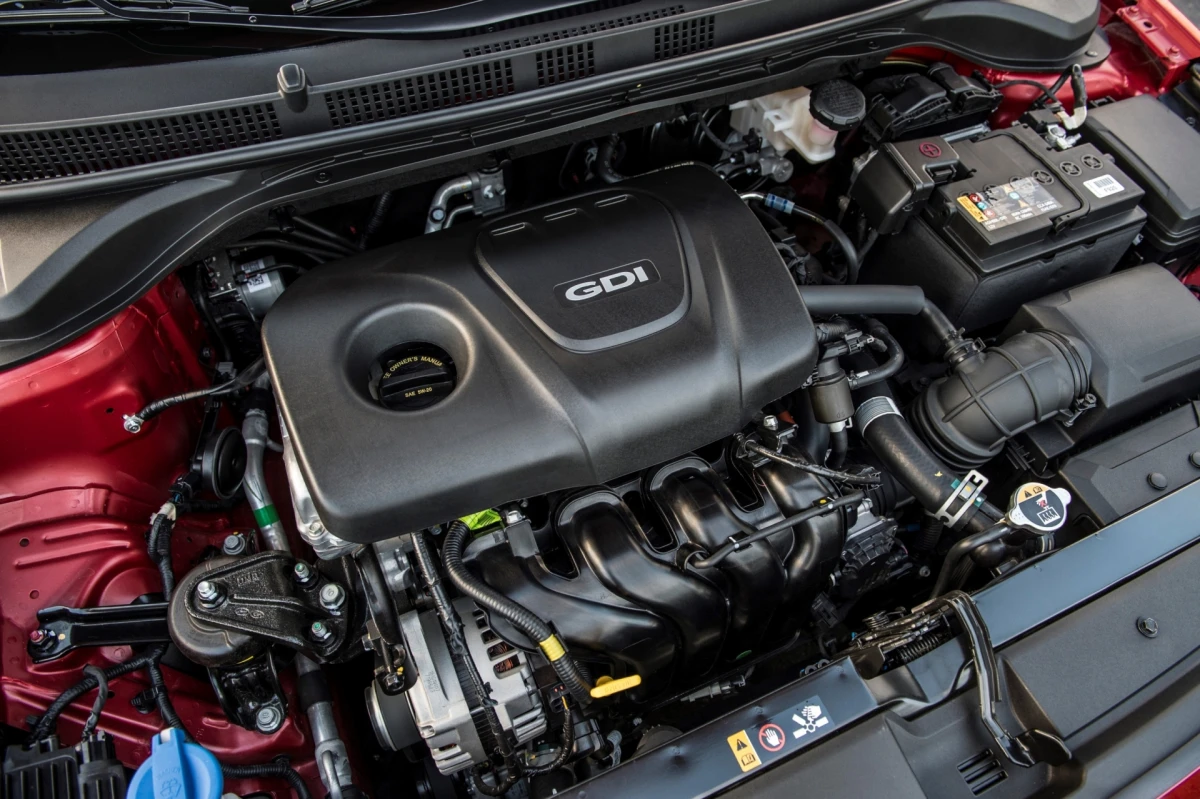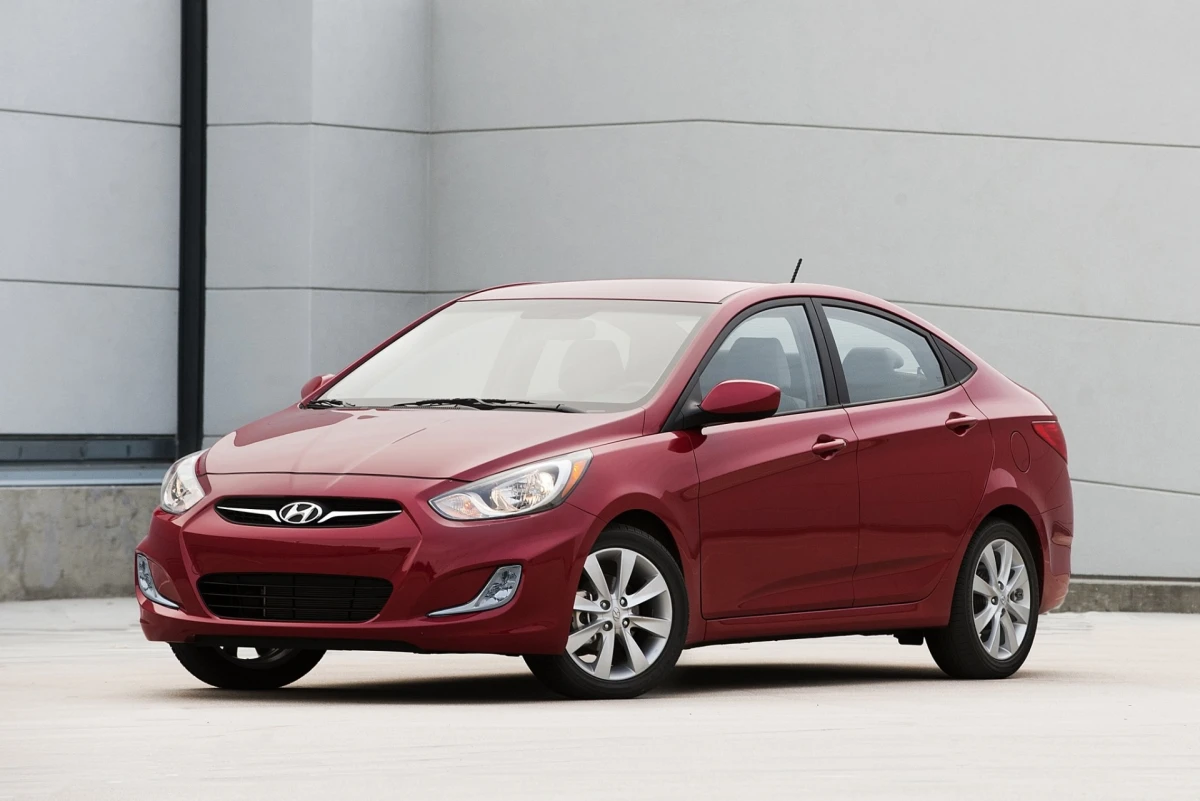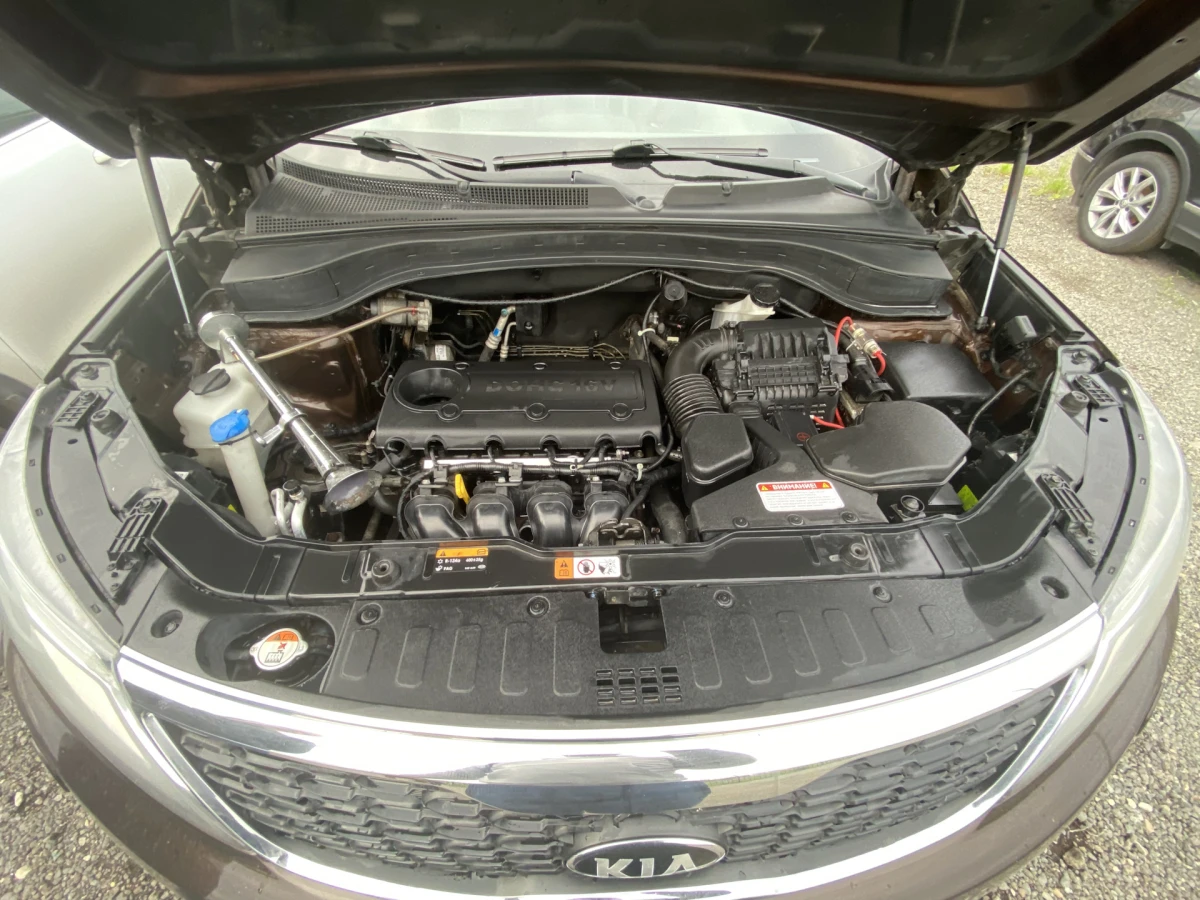



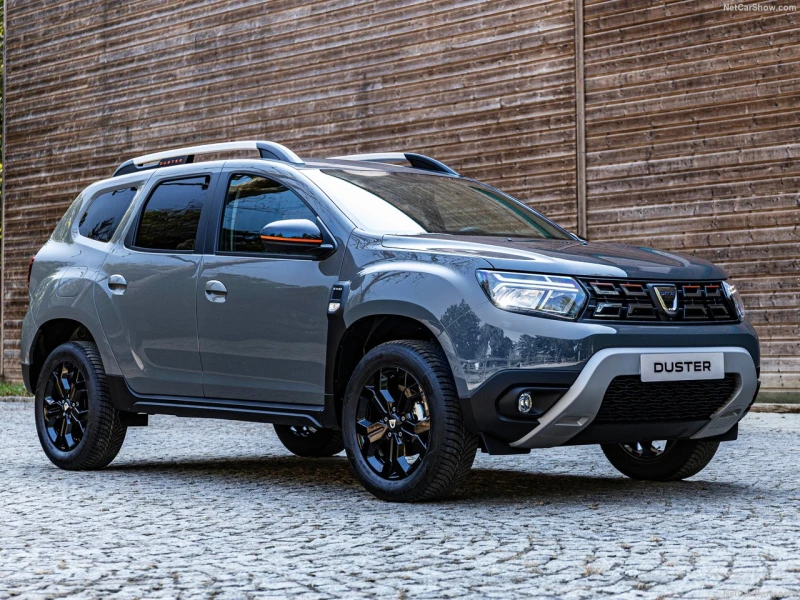
For U.S. readers, the Dacia Duster II requires different context than it does in Europe. Dacia did not officially market this generation in the United States, so there was no U.S.-spec engine range, trim structure, EPA fuel-economy rating, or domestic Dacia dealer network. The specifications below therefore describe representative European-market Duster II configurations, with measurements converted to U.S.-friendly units where appropriate. Exact engines, transmissions and equipment varied by country and model year.
A separate article in this series covers the exterior, interior, trim levels and common ownership concerns in more detail.
Engines and transmissions
The second-generation Dacia Duster used a broad mix of gasoline, diesel and LPG powertrains during its 2017–2024 production run. Early European cars included the naturally aspirated 1.6 SCe, the 1.2 TCe turbo and 1.5 dCi diesels. Later versions shifted toward the 1.0 TCe, 1.3 TCe, Blue dCi and ECO-G LPG engines. There was no hybrid Duster II. Front-wheel drive was common across the range, while selectable 4WD was offered with selected gasoline and diesel engines. Transmission availability also changed over time: some early dCi 110 front-wheel-drive models used a 6-speed EDC dual-clutch automatic, while the 2021 facelift brought EDC back with the TCe 150 in front-wheel-drive form.
| Engine type | Displacement | Power | Transmission | Drive | Notes / availability |
| Gasoline | 1.0L TCe | 90–100 hp | 5- or 6-speed manual | 2WD | Later-generation entry gasoline engine; exact output and gearbox depended on model year and market |
| Gasoline | 1.3L TCe | 130–150 hp | 6-speed manual / 6-speed EDC | 2WD / 4WD | Introduced during the generation; EDC was paired with the TCe 150 in front-wheel-drive facelift models, while 4WD versions used a manual transmission |
| Diesel | 1.5L dCi / Blue dCi | 90–116 hp | 6-speed manual / 6-speed EDC on selected early versions | 2WD / 4WD | Early cars used dCi 90/110 ratings; later Blue dCi versions included 95- and 115/116-hp outputs depending on market |
| Gasoline/LPG | 1.0L ECO-G | 100–101 hp | 6-speed manual | 2WD | Bi-fuel gasoline/LPG version sold in selected European markets; it was not a U.S.-market powertrain |
| Gasoline | 1.2L TCe / 1.6L SCe | 125 hp / about 115 hp | 5- or 6-speed manual | 2WD / 4WD | Representative early-generation gasoline engines that were phased out as the newer TCe range arrived |
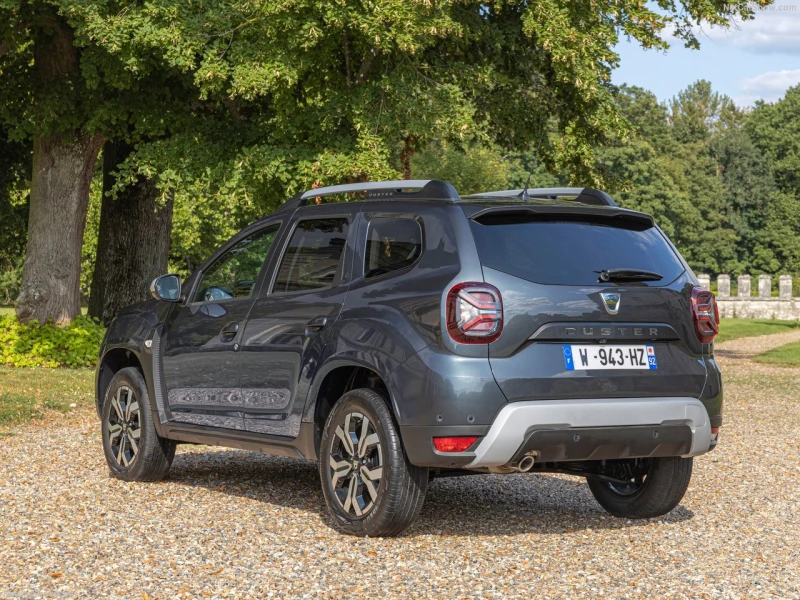
Dimensions and weight
The Duster II kept essentially the same basic body dimensions throughout the generation, although ride height, wheelbase, curb weight and gross vehicle weight varied slightly with drivetrain and specification. The figures below are approximate U.S.-unit conversions of representative European manufacturer data rather than U.S.-homologated specifications.
| Parameter | Value | Notes |
| Length | 170.9 in | Approximately 4,341 mm |
| Width | 71.0 in | Excluding mirrors |
| Height | 66.2–66.7 in | Varies by 2WD/4WD configuration |
| Wheelbase | 105.2–105.4 in | Small difference between 2WD and 4WD versions |
| Curb weight | About 2,625–3,100 lb | Depends on engine, drivetrain and equipment |
| Gross vehicle weight | About 3,800–4,260 lb | Varies by version |
| Ground clearance | About 8.4–8.5 in | Approximately 214 mm for 4WD and 217 mm for 2WD on representative facelift specifications |
Model-year changes and facelift
The second-generation Duster was revealed in 2017 and reached European showrooms around the start of 2018. Early versions commonly used the 1.6 SCe 115, 1.2 TCe 125 and 1.5 dCi 90/110 engines, with both front-wheel drive and selected 4WD configurations. A 6-speed EDC dual-clutch transmission was available with the dCi 110 in front-wheel-drive form in some markets.
During 2019 and 2020, the engine range evolved toward newer 1.0 TCe and 1.3 TCe gasoline engines, Blue dCi diesels and the ECO-G LPG option. Dacia refreshed the Duster for 2021 with revised lighting and grille details, updated interior features and an 8-inch multimedia system on higher specifications. The facelift also introduced a 6-speed EDC automatic with the TCe 150 front-wheel-drive version. Four-wheel-drive availability changed by country and model year, so a specific VIN and original market specification are more reliable than a generic generation-wide engine list.
Later cars also adopted Dacia's updated brand identity and trim naming in several European markets. These changes did not create a U.S.-spec version: Duster II remained a vehicle designed and certified for other markets.

Ownership and technical considerations
For a U.S. owner, the biggest issue is not choosing among domestic trim levels but confirming whether a particular vehicle can be legally imported, registered and serviced. Duster II models from 2017–2024 are all less than 25 years old as of 2026. A vehicle that was not originally manufactured and certified to comply with applicable U.S. Federal Motor Vehicle Safety Standards generally cannot be permanently imported simply as an ordinary used vehicle; NHTSA eligibility, a Registered Importer process or another applicable exemption may be required. EPA emissions rules are a separate part of the import process, and state registration requirements can add another layer.
There are no EPA fuel-economy ratings for a U.S.-market Duster II because no such factory U.S. version existed. European WLTP or earlier NEDC consumption figures should therefore remain identified by their original test cycle rather than being presented as EPA mpg. Real-world consumption also varies significantly with engine, drivetrain, tires, climate and driving conditions.
When evaluating an imported or overseas Duster II, service history matters more than broad reliability claims. Diesel versions warrant inspection of the DPF, SCR/AdBlue system and normal diesel-emissions hardware; turbocharged gasoline engines should be checked for evidence of correct maintenance; EDC-equipped cars should be assessed for smooth operation; and 4WD versions deserve inspection of the rear driveline and underbody. Parts sourcing may rely on European Dacia/Renault channels or independent specialists rather than a U.S. Dacia dealer network.
What the specifications mean for U.S. buyers
There is no single 'best U.S. configuration' of the Dacia Duster II because the model was never officially sold here. Late European examples commonly include the TCe 150 with front-wheel drive and EDC, or the Blue dCi 115 with a manual gearbox and available 4WD, but those are European specifications rather than U.S. trim choices. Earlier cars can have very different engines, transmissions and emissions hardware.
For anyone considering a Duster II for use in the United States, the first checks should be the vehicle's original market, build date, exact powertrain, federal import eligibility and state registration requirements. Only after those points are confirmed does it make sense to compare engine, transmission, drivetrain and parts-support considerations.