The shift to electric vehicles remains difficult, European sales are declining, and competition continues to intensify. At this least convenient moment, China — their single largest market — has decided to tighten the screws.
New Tax Threshold
Effective July 20, China revised its luxury vehicle definition: cars are now classified as "luxury" starting at 900,000 yuan (roughly $126,000 or €115,000). The previous threshold stood at 1.3 million yuan (about €167,000). Vehicles priced above the new limit face an additional 10% consumption tax. In a market where top-spec and long-wheelbase versions dominate premium sales, this change directly targets the most profitable segment.
Brands Most Affected
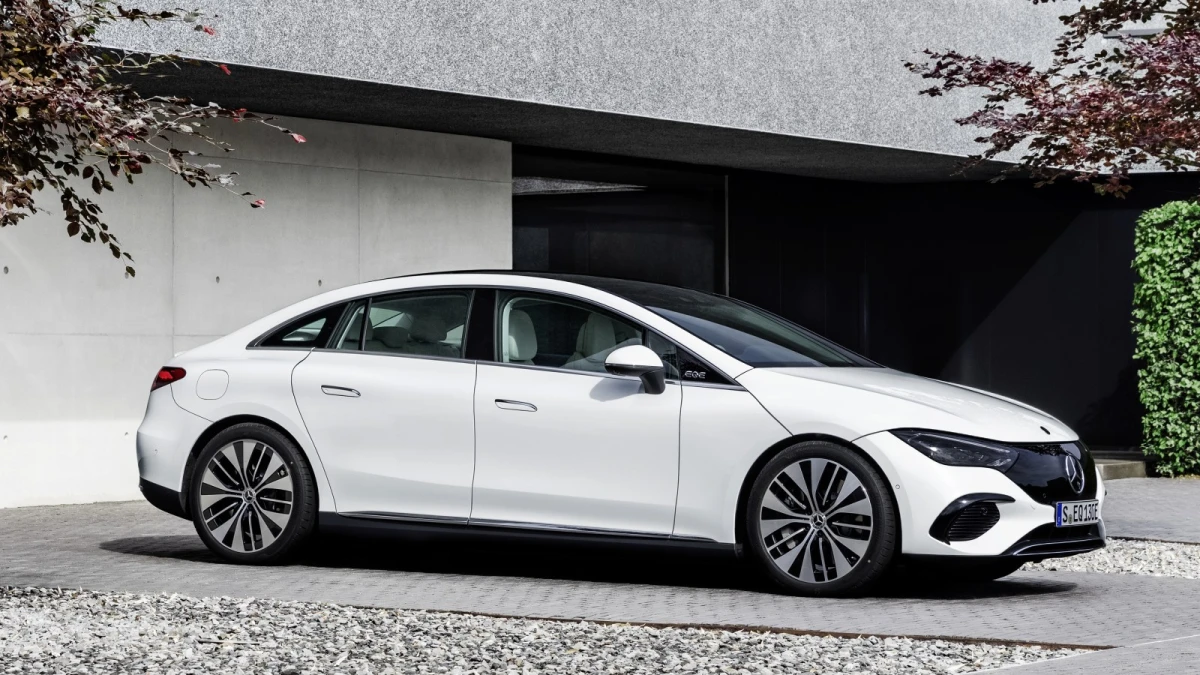
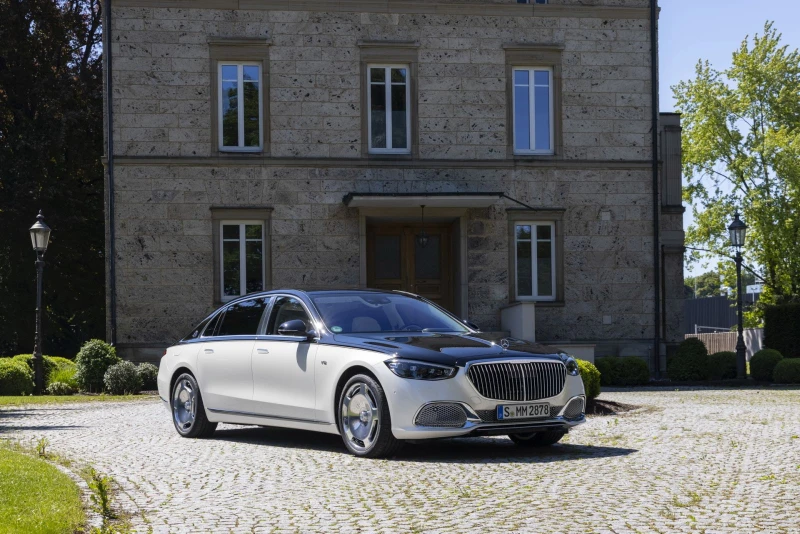
- Mercedes-Benz — the clear leader in the ultra-premium segment. In China, half of all vehicles sold above 1 million yuan carry the three-pointed star. A substantial portion of their lineup now falls into the taxable bracket.
- Land Rover — controls roughly a quarter of the high-end SUV market. Brand representatives have already indicated they intend to absorb the tax themselves to protect volume.
- Porsche — holds about 18% of the segment. While some Taycan configurations can be brought below the threshold with discounts, relying on such measures long-term risks devaluing the brand.
- Audi — comparatively less exposed. Only two models exceed the new limit: the RS6 and the China-exclusive long-wheelbase A8L Horch.
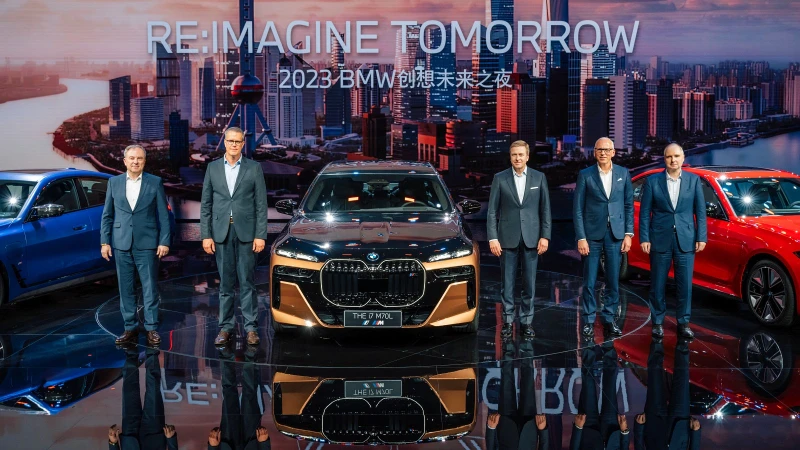
- BMW — significantly impacted, with seven models now subject to the tax, primarily M variants and 7 Series sedans.
Timing That Feels Like Retaliation
Officially, Chinese authorities describe the measure as promoting "rational consumption." Yet the timing is hard to ignore: it closely follows European Union tariffs on Chinese-made electric vehicles. While Brussels aimed to protect its own market, the policy change primarily affects established European premium brands for whom China has become the most important profit center.
What Happens Next
In the short term, several manufacturers are expected to absorb the tax to maintain sticker prices. This approach is not sustainable indefinitely. Eventually, price increases seem unavoidable — and higher prices typically lead to lower demand. This creates a familiar downward spiral: reduced sales, job cuts, lower tax revenue, and intensified discussion of a sector crisis.
Observation
The structure of the new threshold is remarkably precise: it captures very few domestic Chinese premium models (only select BYD and Huawei vehicles), while heavily impacting the German manufacturers that dominate the segment. The policy risks accelerating a rebalancing of the Chinese luxury market — with long-term implications for the global premium segment.