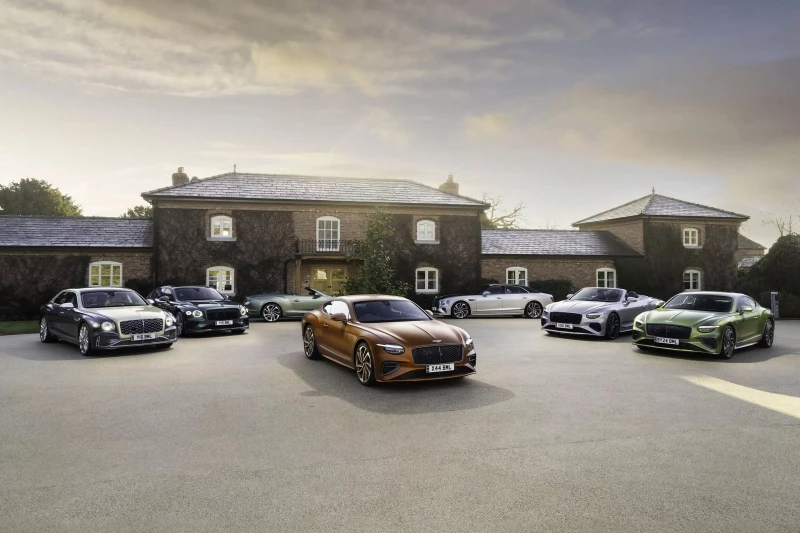
Following a decline in sales, profits, and margins, the company has abandoned most of its previously announced electric models and is revisiting its development path. This decision reflects a broader industry trend in which the rapid transition to electric vehicles has proven more challenging than expected.
Financial Metrics and Their Influence on Strategy
For 2025, Bentley experienced a deterioration in key indicators. Sales fell by approximately 5% to just over 10,000 vehicles. Revenue decreased slightly—by about 1%—while profit dropped far more sharply—by over 40%. Business margins also shrank to around 8%, a low level for the luxury segment.
This dynamic compelled the company's leadership to reconsider previously announced plans, including the shift to a fully electric lineup in the near future.
Abandonment of Electric Vehicles
Bentley had initially planned to release five electric models over several years. However, it has now largely abandoned this approach: four projects have been canceled, while the remaining one will proceed to market. Its launch is driven primarily by resources already committed rather than strategic conviction in its success.
Company executives acknowledge that the market is not yet prepared for a widespread adoption of electric vehicles in the premium segment. Key factors include the limited practicality of such vehicles and their rapid loss of value over time.
Emphasis on Hybrids and ICE
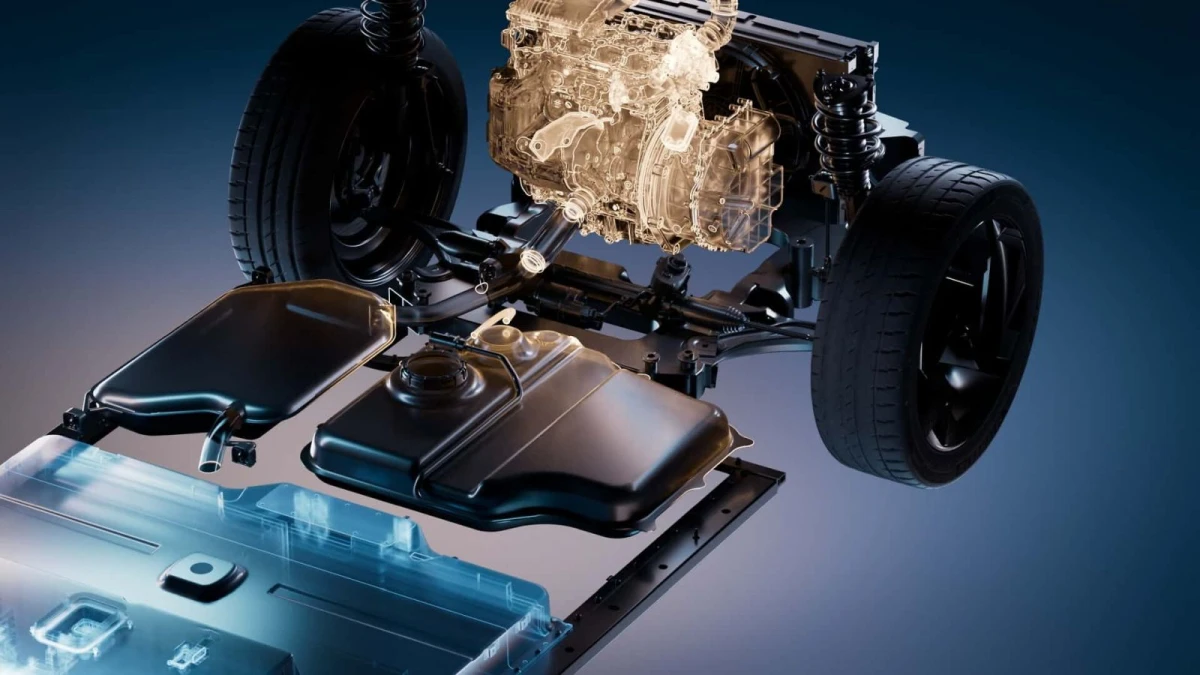
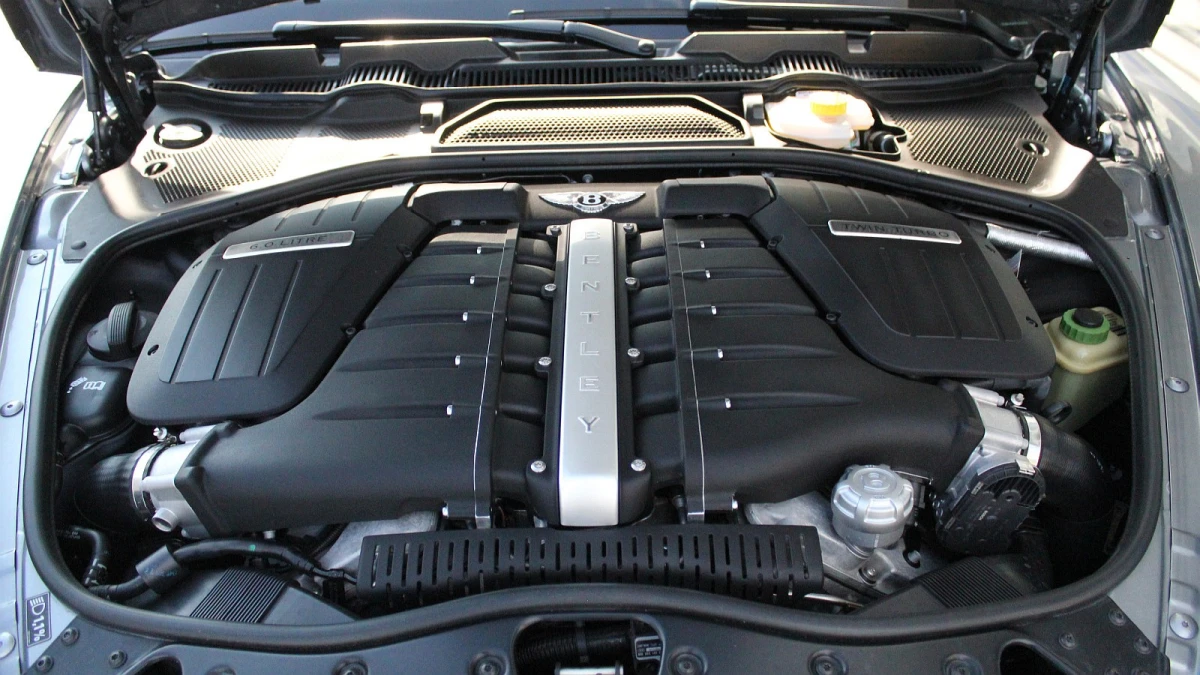
Under the new circumstances, Bentley is prioritizing traditional gasoline engines and hybrid powertrains. Furthermore, the company is open to their use beyond 2035, signaling a major rethink of its earlier plans.
This strategy helps sustain customer interest among those not yet prepared to fully transition away from conventional technologies.

Staff Reductions and Optimization
Financial pressures have also resulted in workforce adjustments. In the United Kingdom, the company has already reduced its staff by approximately 140 employees, with the total number of cuts potentially reaching around 275. For a workforce of about 4,000, this represents a significant shift.
Cost optimization is being treated as an essential step to stabilize the business in the face of falling revenues.
Broader Industry Trend
The difficulties encountered by Bentley are not isolated. Numerous automakers that had committed to a swift move toward electric vehicles are now reevaluating their strategies. Declining sales, reduced profits, and a resurgence of interest in traditional engines are evident throughout the sector.
This underscores that the transition to new technologies calls for a more measured and balanced approach.
Summary
Bentley's choices mirror the present realities of the automotive market. While retaining one electric project, the company is reverting to a more adaptable strategy relying on gasoline and hybrid models. This enables it to respond to customer preferences and stabilize its financial results amid ongoing uncertainty.