


However, serious technical and operational risks often lurk behind the attractive price. The story of one Bentley with a W12 engine clearly illustrates the complexities that can arise when purchasing such a vehicle.
Why Luxury Cars Depreciate
The decline in value of used premium vehicles is linked not only to their age but also to their technical complexity. These cars are equipped with advanced systems that require significant investment in maintenance. Even minor faults can result in expensive repairs, reducing buyer interest and, consequently, the price on the secondary market.
As a result, the cost of some models drops to the level of mid-range vehicles, even though they originally cost several times more.
Purchasing the Cheapest Bentley
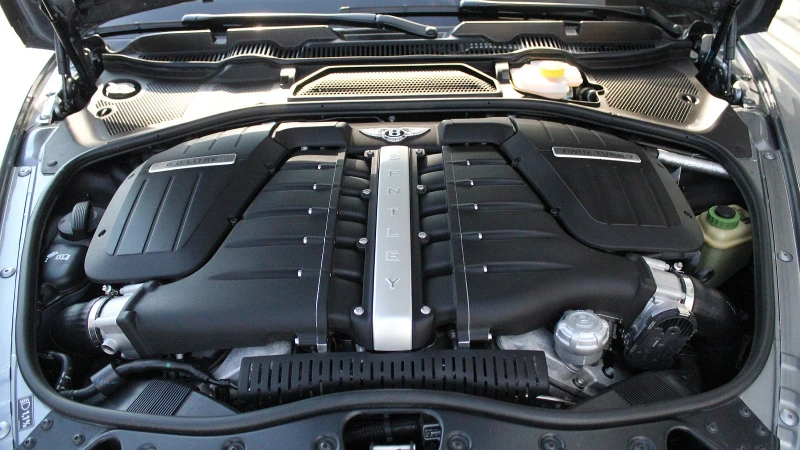
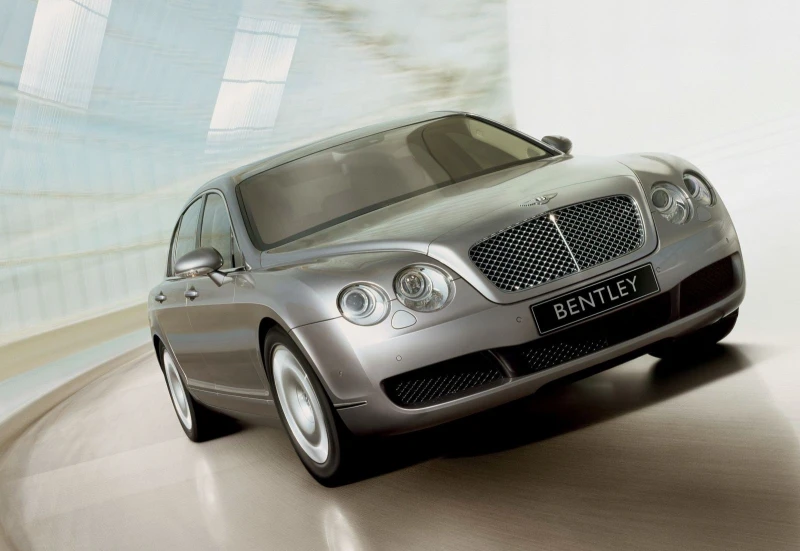
One mechanic acquired a Bentley Flying Spur with a W12 engine at the lowest price on the European market. The vehicle's low cost was due to its condition: electronic issues, signs of corrosion, interior damage, and the effects of extended operation without proper maintenance.
At the same time, the engine itself did not initially raise major concerns, which was the main reason for the purchase.
Hidden Engine Problems
After starting the engine, it became apparent that it was overheating. Initially, serious faults were suspected, such as a damaged head gasket or the cylinder head itself. However, a detailed diagnosis revealed a more complex cause.
Due to prolonged overheating, one of the cylinder head bolts had deformed. This caused a loss of sealing under load, allowing hot gases to enter the cooling system and worsening the issue.
Repair and Restoration
Eliminating the fault required a series of works:
- replacement of the cooling radiator;
- installation of a new thermostat;
- replacement of the expansion tank;
- overall restoration of the cooling system.
After these operations, the engine was brought back to working condition. However, a new problem soon emerged — a malfunction in the turbocharger components, causing the engine to operate in limp mode.
The Real Cost of Ownership
Even without accounting for the mechanic's labor, the cost of parts exceeded 3,500 euros, surpassing the price of the car itself. Moreover, the vehicle still requires further restoration.
This situation is typical for complex luxury models: the low purchase price is offset by high costs for maintenance and repairs.
What to Consider When Buying
Purchasing an inexpensive premium vehicle is justified only with sufficient experience and resources for repairs. Otherwise, the owner risks ongoing expenses and technical challenges.
Particular attention should be paid to the condition of the engine, cooling system, and electronic components, as these are most often the sources of major costs.
Conclusions
The Bentley Flying Spur story demonstrates that a low price on the used car market does not guarantee a good purchase. The complex engineering and accumulated issues can demand investments far exceeding the initial cost of the vehicle. In such cases, it is important to consider not only the purchase price but also the potential costs of restoration and ongoing operation.