


The company plans to deploy hundreds of humanoid robots to perform a range of production tasks. This move aims to improve efficiency and lower costs, while officials emphasize that it does not involve immediate staff reductions.
Robots Scheduled for Factory Deployment
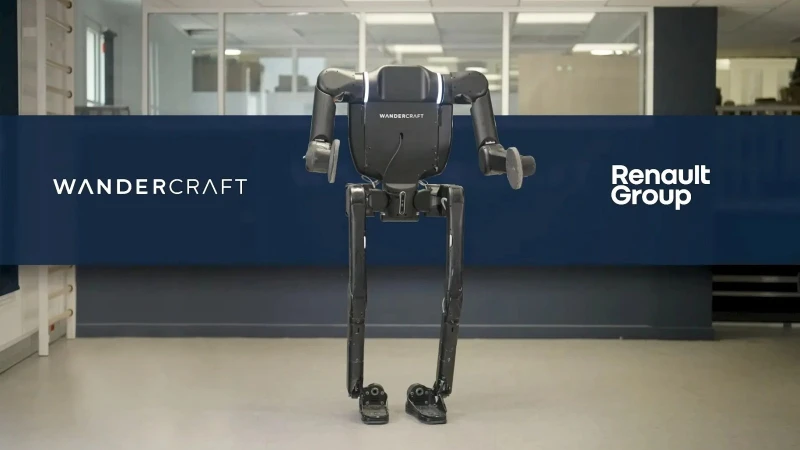
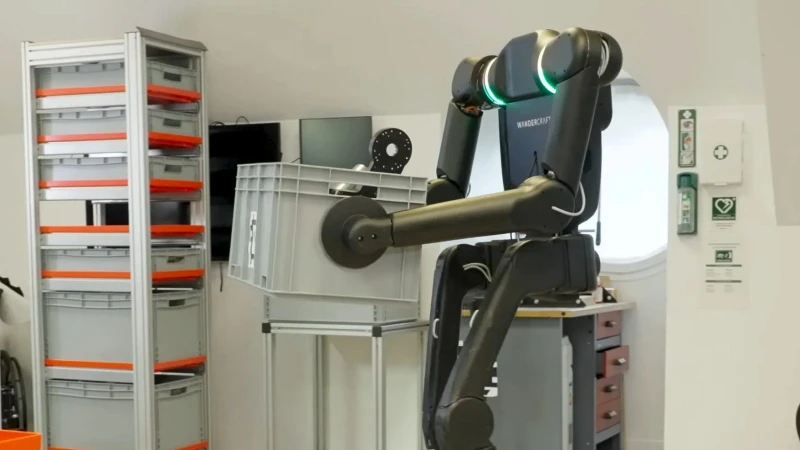
The model in question is the Calvin-40, developed in partnership with technology company Wandercraft. This is a humanoid robot designed for physical operations that do not require complex analysis or decision-making. Its design focuses on practical applications in industrial production environments.
Key characteristics of the robot:
- movement and lifting of loads up to 40 kilograms;
- capability to operate continuously without breaks;
- performance of repetitive operations at assembly stations;
- adaptation to simple production tasks.
The robots are already undergoing testing at one of the facilities, where they are used for moving parts and performing auxiliary operations.
Objectives of Automation Implementation
According to company plans, the number of such machines could reach 350 units within the next 18 months. This is expected to increase production speed by approximately 30% and reduce overhead costs by up to 20%.
These results are achieved through the stable operation of equipment, absence of downtime, and high repeatability of operations. Robots can perform tasks with consistent precision throughout the entire work cycle.
Impact on Workforce
Renault management states that the new technologies will not lead to immediate replacement of employees, particularly at final assembly stages where high precision and flexibility of actions are required. Human labor remains essential in operations demanding complex coordination.
Nevertheless, automation inevitably affects employment structure. Some tasks previously performed manually are gradually shifting to machines. This may reduce demand for certain categories of workers while increasing the need for specialists in equipment maintenance and programming.
Future Prospects for the Technology
The development of humanoid robotics is progressing rapidly, and new generations of such devices may gain broader functionality. This opens possibilities for their use in more complex production processes.
At the same time, companies continue to optimize expenses and review production structures in response to market changes and the need to enhance competitiveness.
Conclusion
The deployment of humanoid robots at Renault factories reflects the broader trend of automation in industry. New technologies enable higher production efficiency and cost reduction, while the role of humans is preserved in tasks requiring flexibility and oversight. Further development of such solutions will determine the balance between automation and human involvement in manufacturing processes.