One recent example is the emergence of a vehicle that visually and conceptually resembles the Porsche Panamera wagon, even though the German manufacturer has discontinued that body style. This case illustrates how quickly local manufacturers respond to unfilled market niches.
Model history and its disappearance
Porsche introduced the Panamera in the late 2000s, offering a combination of sports performance and executive-level comfort. Later, the lineup expanded with the Sport Turismo version — a wagon designed to increase practicality.
However, in the latest generation, the brand moved away from this body style. As a result, the segment targeting customers who preferred a more versatile configuration was left without a direct offering from the manufacturer.
A Chinese response to an open niche
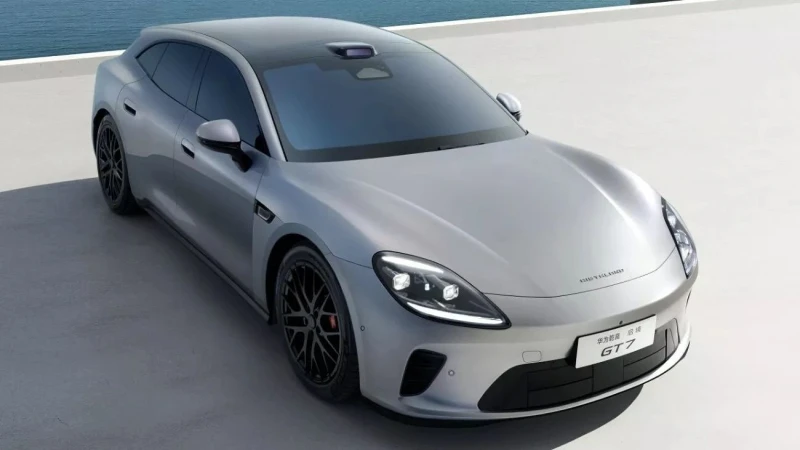
Against this backdrop, Chinese company Aistaland introduced the GT7, developed with the involvement of automaker GAC and technology corporation Huawei. Despite being a new brand, the project builds on the expertise of established industry players.
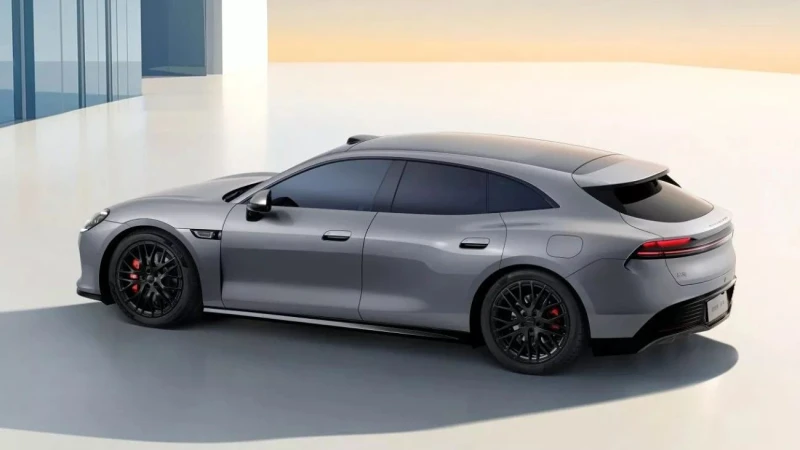
Visually, the vehicle follows the concept of the Panamera Sport Turismo: an elongated silhouette, sporty proportions, and a wagon-style body. At the same time, its engineering is focused on modern electric vehicle solutions.
Technical foundation
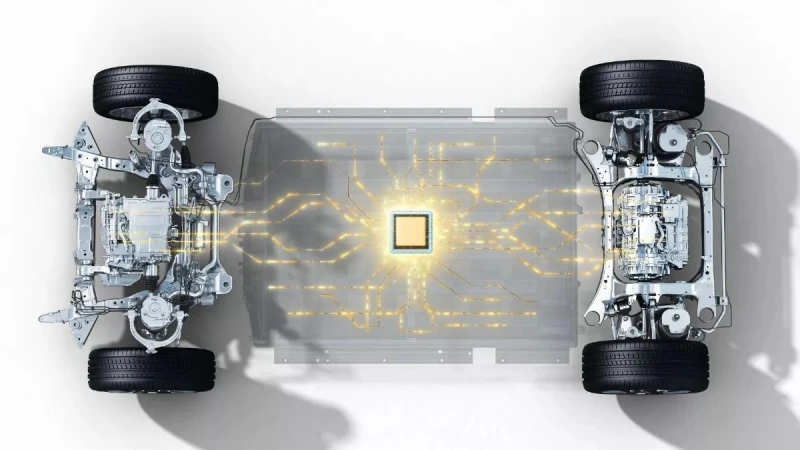
The GT7 is built on an 800-volt architecture platform, aligning with current standards in the EV segment. The powertrain includes multiple electric motors distributed across the axles, enabling all-wheel drive capability.
Key specifications include:
- length — approximately 5.05 meters;
- width — around 1.98 meters;
- height — about 1.47 meters;
- wheelbase — 3 meters.
These dimensions place the vehicle within the large premium segment.
Pricing position
The model is expected to be significantly more affordable than original Porsche offerings. For reference, comparable Chinese electric vehicles in this class can start from around $30,000, while vehicles from the German brand in China are typically priced above $140,000.
This creates a substantial gap that may attract buyers focused on design and functionality rather than brand positioning.
Market dynamics and competition
The Chinese automotive market is characterized by rapid development cycles and high adaptability among manufacturers. Companies actively build on existing concepts, adapting them to their own technologies and pricing strategies.
As a result, new vehicles emerge to fill segments left open by traditional brands. This intensifies competition and reshapes demand, particularly in the electric vehicle space.
Conclusion
The introduction of the Aistaland GT7 highlights how quickly the market responds to shifts in product strategy by major manufacturers. Even when an original brand discontinues a concept, it may continue in a different form. This underscores the growing importance of flexibility and speed in the evolution of the automotive industry.