


The project’s development shows which strategic decisions were made and why they have yet to deliver the expected results.
The importance of the Chinese market
China remains a crucial market for most global automakers. It is particularly important for Audi, with the country accounting for a significant share of the brand’s sales. After a period of strong performance, however, the company faced declining demand and began exploring new strategies.
One of those initiatives was the creation of a separate brand focused on more affordable vehicles. The objective was to compete with domestic manufacturers without weakening the reputation of Audi’s core premium business.
The concept behind the new brand
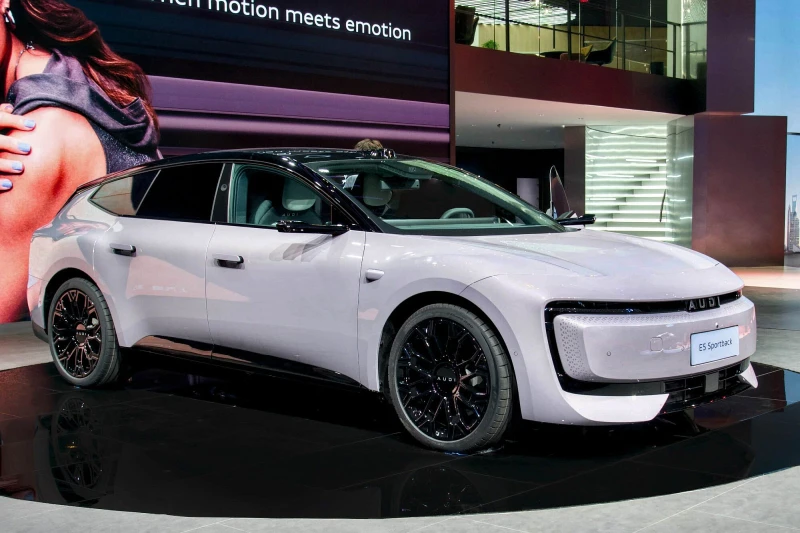
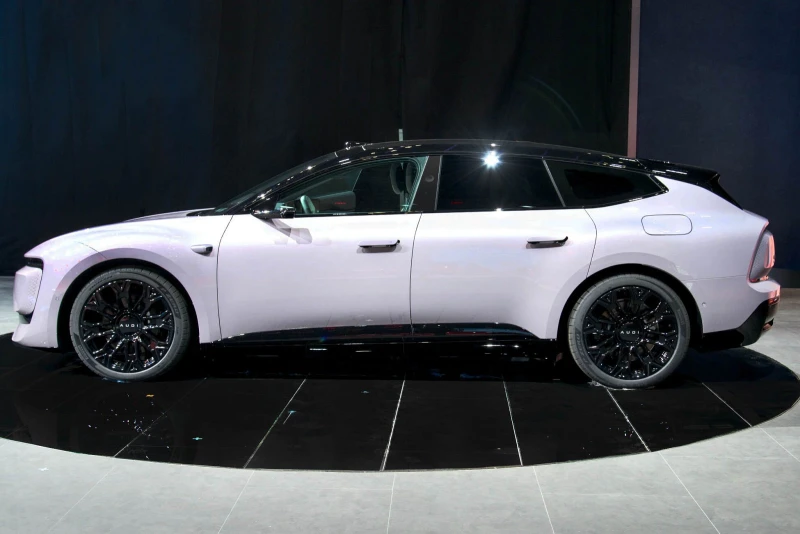
The execution of the idea has produced mixed results. Working with a Chinese partner, Audi developed a vehicle lineup with a simplified positioning strategy. The models draw heavily on existing design and engineering solutions but are presented as a separate product direction.
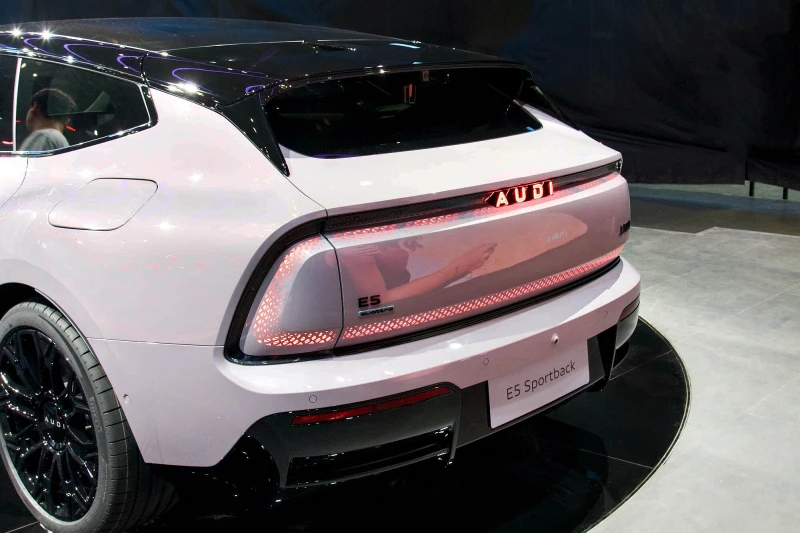
The first model was an electric liftback, followed by a second vehicle. Both target the EV market and a more accessible price segment, but their design and overall market positioning received a restrained response from buyers.
Sales results and market response
Despite positive statements from the manufacturer, actual sales figures fell below expectations. This prompted the company to reduce prices and expand the model range.
Facing intense competition from Chinese brands offering more affordable alternatives, Audi’s new lineup struggled to distinguish itself. Even within the broader partnership ecosystem, some models offer a more compelling balance of price and specifications.

New plans and strategic questions
The company intends to continue developing the project and is preparing another model, a sport sedan positioned higher in the lineup. Its development cycle has reportedly been shortened to approximately two years, considerably faster than a traditional vehicle program.
This approach raises strategic questions because the original objective was to compete in a more affordable segment. Introducing more expensive vehicles under a budget-oriented brand could create internal competition with Audi’s core product portfolio.
Positioning challenges
One of the main difficulties is the lack of clear separation between the brands. The new marque’s name remains directly associated with Audi, making it difficult to establish an independent identity. As a result, different products may end up competing with one another.
- overlapping price segments
- similar design and engineering foundations
- no clear distinction between target audiences
At the same time, competitors in China continue to lower prices and respond more quickly to changing customer preferences, increasing pressure on European automakers.
Conclusion
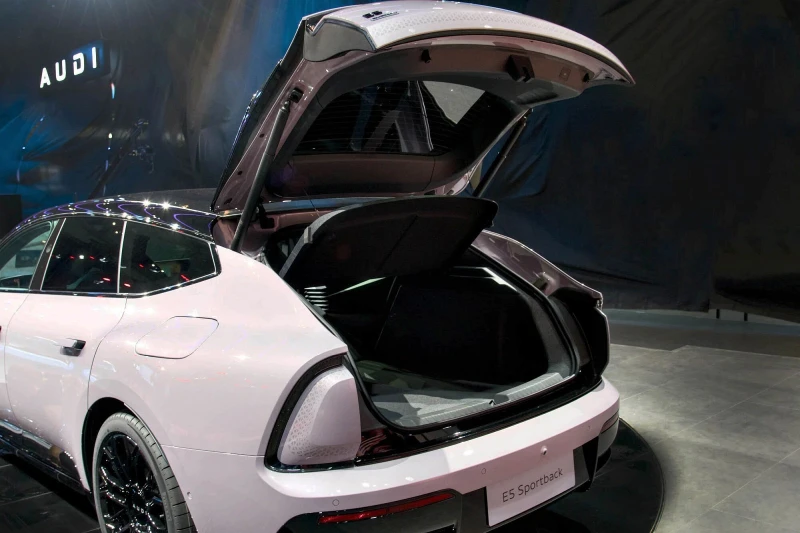
Audi’s attempt to establish a budget-oriented operation in China has not yet achieved its intended objectives. The main obstacles include unclear positioning, intense competition, and a strategy that has not been sufficiently differentiated for the market.
The project’s future will depend on Audi’s ability to define clearer boundaries between its brands and offer competitive products within each segment.