It was thought they'd combine the best of both worlds while easing range anxiety for drivers. But real-world data is revealing some serious technical drawbacks to this dual-powertrain approach.
What Makes a Plug-In Hybrid Unique
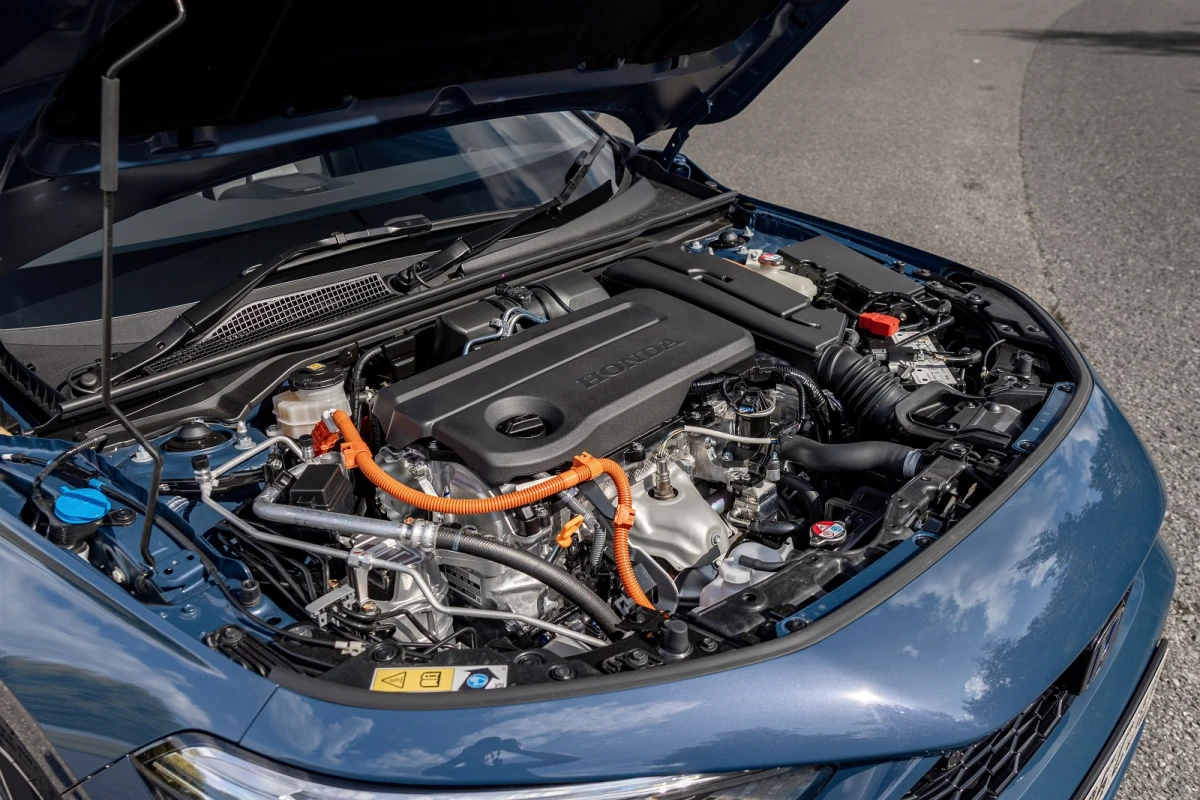
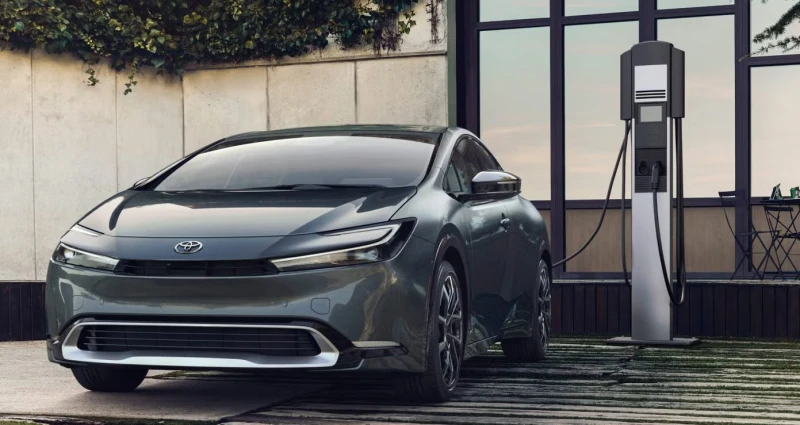
A plug-in hybrid features two complete power systems: a conventional gasoline engine and an electric drivetrain with a larger traction battery. The electric setup handles short trips, especially in city driving, while the gas engine provides longer range without relying on charging stations. In theory, it's the perfect versatile solution—but in practice, it adds significant complexity to the vehicle.
Key Findings from Reliability Studies
A Consumer Reports study, drawing from owner data on nearly 380,000 vehicles from model years 2000–2025, found that plug-in hybrids experience about 80% more problems than gas-only vehicles. Fully electric models showed a similar rate of issues.
For more than half of the brands surveyed, their least reliable models were the plug-in hybrid or electric variants. Owners most frequently reported issues with batteries, charging systems, and electric drive components.
Common Faults and Their Impact
In real-world use, plug-in hybrid problems often affect multiple systems:
- Traction batteries and cooling systems;
- Charging modules and power electronics;
- Electric motors and control units;
- Integration of the hybrid system with the transmission.
Repair costs are another pain point, as hybrid components are expensive and require specialized service. This drives up ownership costs and accelerates depreciation.
Real-World Examples of Troubled Models
Among compact SUVs, the Ford Escape PHEV frequently tops complaint lists with battery failures, charging glitches, and electronics issues. The Jeep Wrangler 4xe and Grand Cherokee 4xe also see a high volume of hybrid-specific problems.
In the midsize crossover segment, the Mazda CX-90 PHEV and Volvo XC60 PHEV draw criticism for transmission glitches, braking issues, climate control failures, and software bugs that can limit speed to around 26 mph.
The Bottom Line
The spike in plug-in hybrid faults is systemic, tied directly to their complex dual-powertrain design. Combining two drivetrains multiplies potential failure points and complicates maintenance. These findings highlight why reliability and simplicity remain critical priorities in the auto industry.